


Study Identifies Ephemerality and Fragmentation in Serious Games Countering Online Misinformation
An exploratory analysis of digital serious games against misinformation identified key fragmentation across design, theory, evaluation, and technology.
An exploratory analysis of digital serious games against misinformation identified key fragmentation across design, theory, evaluation, and technology.

A three-year quasi-experiment in Kazakhstan secondary schools found that game-based geography lessons produced descriptively favorable but statistically inconclusive achievement gains ...

Researchers in Thailand observed notable score gains among upper-secondary students testing a developmental game-based learning environment on Roblox that combined ...
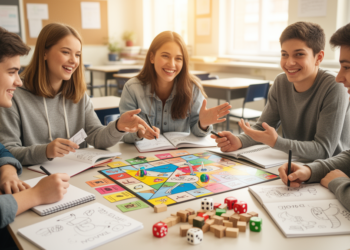
A quasi-experimental study of 118 undergraduate pre-service teachers found that a 12-week game-based pedagogy module improved creative self-efficacy, teaching-for-creativity competence, ...
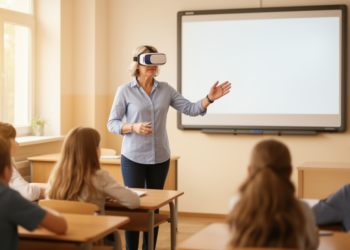
A systematic review of 12 studies finds that teacher readiness, institutional barriers and support structures, not the technology itself, determine ...

Dental educators describe eight board game formats designed to teach oral pathology, histology, and microbiology to undergraduate students through active, ...

A nursing-science concept analysis based on 30 publications defines serious games in youth health education by their purposeful mechanics, health ...

A single card-game session was associated with small, immediate gains in recall and understanding among 60 first-year medical students, but ...
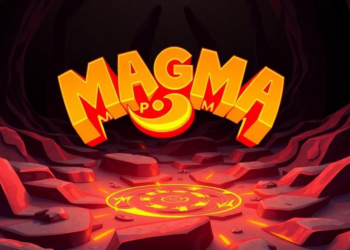
Researchers at the University of Canterbury developed and iteratively refined a serious educational game called Magma Pop that, paired with ...

A study of Sri Lankan IT undergraduates found that a browser-based 2D virtual world scavenger hunt boosted collaboration, motivation, and ...


Embark on a thrilling journey of discovery with Scienmag.com—your ultimate source for cutting-edge breakthroughs. Immerse yourself in a world where curiosity knows no limits and tomorrow’s possibilities become today’s reality!