


From Oleogels to 3D-Printed Fat: The Technologies Reshaping Low-Fat Food
A new review maps protein, carbohydrate, and synthetic fat replacers alongside oleogelation, microencapsulation, and 3D printing as the leading technologies ...
A new review maps protein, carbohydrate, and synthetic fat replacers alongside oleogelation, microencapsulation, and 3D printing as the leading technologies ...

Enriching wheat flour with glutenin or whole gluten strengthens the gluten network, reduces free sulfhydryl groups, and enhances fresh wet ...

A new review in Discover Food surveys conventional and advanced processing methods, from leaching and thermal denaturation to cold plasma ...
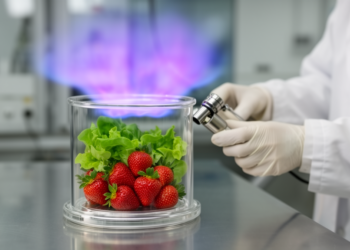
A new review finds that cold plasma treatment can either enhance or degrade polyphenols, carotenoids, vitamin C, and natural pigments ...
A new review argues that veterinary drug residues persist through cooking and fermentation, while emerging detection technologies remain too immature ...
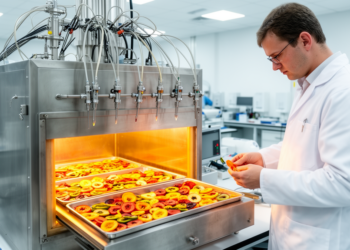
A review in Discover Chemical Engineering examines how ohmic heating used before drying can speed moisture removal, cut energy use ...
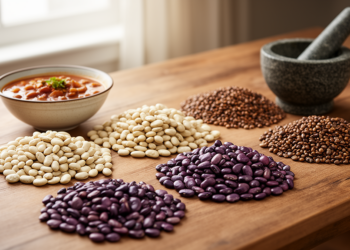
A study of ten Ethiopian faba bean varieties found significant differences in bulk density, protein, viscosity, and anti-nutritional factors relevant ...
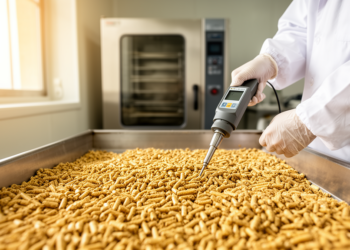
A generalized Midilli drying model matched or outperformed machine learning benchmarks for predicting moisture removal from rice bran pellets under ...
Low-speed rotational thermostatic tempering of intact rice kernels increased structural order in indica, japonica, and waxy starches, but thermal, pasting, ...

Researchers found that 5% Lycium barbarum polysaccharide dampened ultrasound to a mild, optimal intensity that improved the colloidal stability of ...


Embark on a thrilling journey of discovery with Scienmag.com—your ultimate source for cutting-edge breakthroughs. Immerse yourself in a world where curiosity knows no limits and tomorrow’s possibilities become today’s reality!