


Waste cooking oil boosts Rhodococcus biosurfactant yield
A study in Bioresources and Bioprocessing shows that Rhodococcus ruber IEGM 231 can produce biosurfactants from waste cooking oil at ...
A study in Bioresources and Bioprocessing shows that Rhodococcus ruber IEGM 231 can produce biosurfactants from waste cooking oil at ...

Researchers have heterologously expressed the marine Bacillus velezensis bacteriocin amylocyclicin in Escherichia coli, establishing optimized culture conditions that maximize its ...

A study published in the Egyptian Journal of Biological Pest Control demonstrates that optimizing cultivation parameters for Streptomyces lividans and ...

A new yeast consortium partitions glucose and organic acid metabolism to boost β-carotene production from simulated distillery wastewater.

A multidimensional strategy regulating proteolysis, endoplasmic reticulum homeostasis, morphology, and fermentation significantly boosted recombinant laccase production in Coprinopsis cinerea.

A new study demonstrates that sugarcane molasses can effectively serve as a low-cost carbon source for producing the biodegradable plastic ...
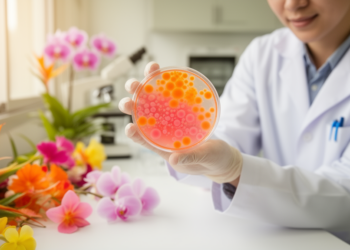
A survey of 305 flower-associated yeast strains from northern Thailand identified 205 basidiomycetous producers of the antioxidant ergothioneine, with optimized ...
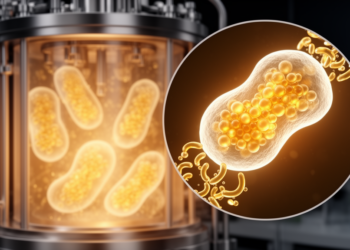
A new review maps how engineered fungi, yeasts, and microalgae could displace plant seed oils as the dominant source of ...
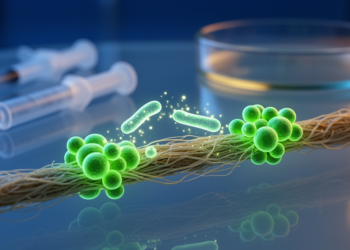
Italian researchers used sequential statistical design to assemble synthetic microbial communities of acetic acid bacteria, lactic acid bacteria and yeasts ...

Scientists have boosted bacterial production of the blue pigment indigoidine more than twofold and shown it inhibits digestive enzymes linked ...


Embark on a thrilling journey of discovery with Scienmag.com—your ultimate source for cutting-edge breakthroughs. Immerse yourself in a world where curiosity knows no limits and tomorrow’s possibilities become today’s reality!