


Study Finds Remittances Reduced Food Security Among Ethiopian Agro-Pastoralists
An empirical study in South-West Ethiopia reveals that receiving remittances reduced the food security of agro-pastoralist households compared to non-recipients.
An empirical study in South-West Ethiopia reveals that receiving remittances reduced the food security of agro-pastoralist households compared to non-recipients.

An econometric survey of 364 crop-farming households in Sichuan Province indicates that internet use is associated with a 4.98 percent ...

Adopting improved poultry production systems significantly increases household disease-related expenditures compared to traditional operations, according to an economic evaluation of ...

An empirical study of 816 farming households in Shaanxi Province demonstrates that organic agriculture and regional conservation branding nearly double ...

A study of the 2018 China Labour-Force Dynamics Survey finds positive associations between public employment service participation and both intrinsic ...

An econometric study of 385 Ethiopian households and 733 plots finds that adopting soil and stone bunds significantly raises net ...

A household-data study of 383 households in three agro-ecological zones of northwestern Ethiopia found that integrated crop adaptation was associated ...
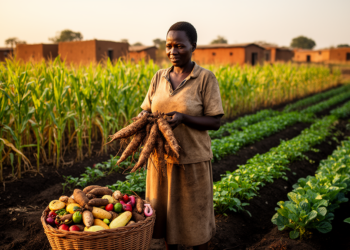
A nationally representative study of 3,229 Nigerian farm households finds that crop diversification nearly doubled adopters' per capita consumption expenditure ...

A study of 209 tomato farmers in Kano State, Nigeria, shows reusable plastic crates cut postharvest financial losses by roughly ...

A survey of 400 farmers in Rayalaseema shows microcredit recipients adopt farm innovations at nearly double the rate of non-recipients ...


Embark on a thrilling journey of discovery with Scienmag.com—your ultimate source for cutting-edge breakthroughs. Immerse yourself in a world where curiosity knows no limits and tomorrow’s possibilities become today’s reality!