

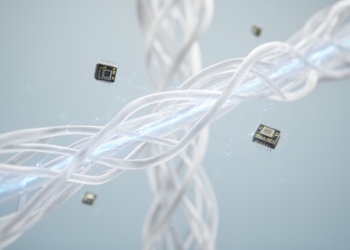
Collagen’s Hidden Electricity Could Power the Next Generation of Implants
A new review reveals how collagen's intrinsic piezoelectricity could power self-driven tissue regeneration and biosensing implants without external energy.
A new review reveals how collagen's intrinsic piezoelectricity could power self-driven tissue regeneration and biosensing implants without external energy.
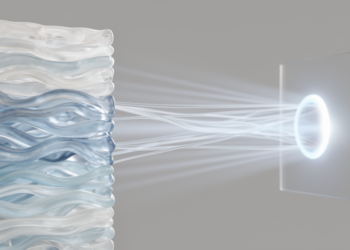
A custom pressurized imaging chamber reveals that collagen waviness, not voids or bundles, drives the periodic bands in backward second ...
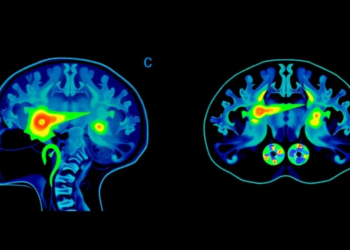
A label-free stimulated Raman scattering imaging study reveals that prostate cancer metastases alter bone chemistry both within tumor-involved regions and ...
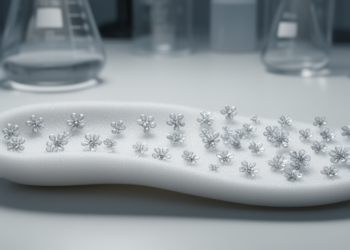
Researchers grew zinc oxide nanoparticles in a gelatin coating on shoe lining leather, creating an antimicrobial finish that suppresses bacteria ...

A hydrolysis-free water extract of Akoya pearl oyster mucus protected mouse skin and cultured fibroblasts from UVA-induced photoaging, suppressing senescence ...
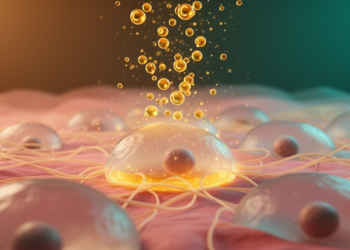
A stable vitamin C derivative reduced pro-inflammatory cytokines and increased collagen and hyaluronan synthase levels in human lung fibroblasts in ...
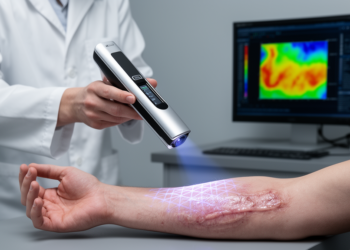
Boston University researchers have shown that a non-contact, camera-based light imaging technique can objectively measure collagen buildup and skin fibrosis ...
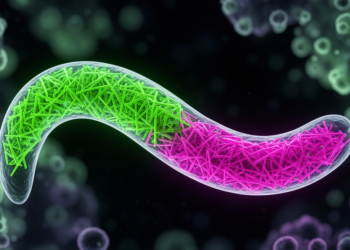
Researchers built 105 fluorescently tagged extracellular matrix proteins in C. elegans, creating a standardized atlas that reveals how the collagen-rich ...
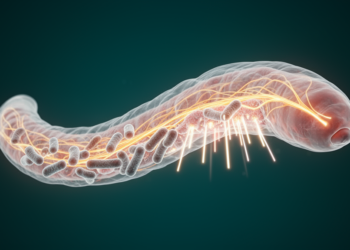
Researchers discovered that the bacterium Pseudomonas aeruginosa exploits neuronal signaling in C. elegans to impair lysosomal function and disrupt collagen ...
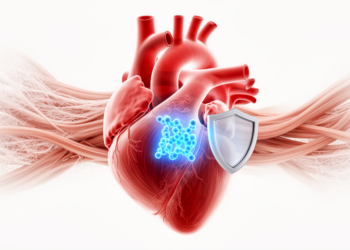
Japanese researchers show that blocking the enzyme BCAT1 curbs collagen-driven cardiac fibrosis and preserves heart function in mice even when ...


Embark on a thrilling journey of discovery with Scienmag.com—your ultimate source for cutting-edge breakthroughs. Immerse yourself in a world where curiosity knows no limits and tomorrow’s possibilities become today’s reality!