

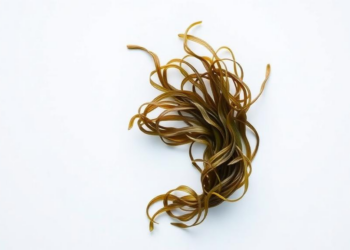
Rare Earth Metals Are Quietly Poisoning Ocean Life, and Seaweed May Be the Fix
A new review finds that rare earth elements from green technology are accumulating in marine invertebrates with harmful effects, while ...
A new review finds that rare earth elements from green technology are accumulating in marine invertebrates with harmful effects, while ...

A new review in Discover Biotechnology charts how microbial fuel cells convert organic waste, from cassava effluent to azo dyes, ...
Researchers have engineered a two-strain bacterial consortium that degrades over 91 percent of the insecticide fipronil in 14 days, mapping ...
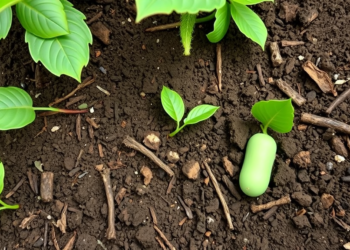
A proposed tripartite remediation system combining biochar, Pseudomonas bacteria and the legume Canavalia ensiformis could degrade persistent atrazine residues in ...
Three lead-tolerant Gram-positive bacteria persistently found downstream of a West Bengal tannery complex can remove up to 58.4 percent of ...
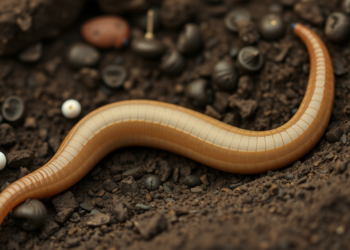
New metagenomic research shows that the earthworm gut microbiome selectively enriches bacterial genes and genera that biodegrade the persistent anthelmintic ...
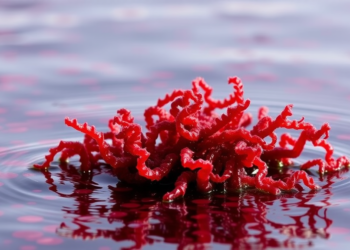
Five native Indian red seaweed species removed up to 100 percent of nitrate and most phosphate and ammonium from shrimp ...
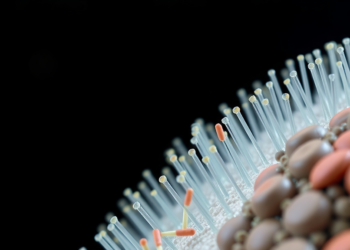
A non-pathogenic soil bacterium uses its metal-resistant biofilm scaffold to convert toxic selenite into valuable crystalline selenium nanorods at ambient ...
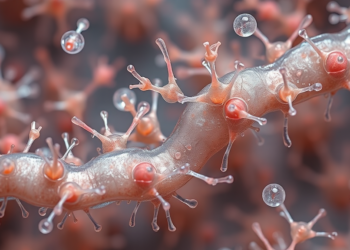
A new review in Blue Biotechnology details how bacteria, archaea, algae and fungi metabolize everything from oil spills and pesticides ...
A new Microbial Biotechnology editorial shows how engineered microbes and enzymes are being deployed against fungal disease, diabetes, plastic waste ...


Embark on a thrilling journey of discovery with Scienmag.com—your ultimate source for cutting-edge breakthroughs. Immerse yourself in a world where curiosity knows no limits and tomorrow’s possibilities become today’s reality!