


Snail found 2,200 km from home hints at a hidden Pleistocene route across Asia
A pond snail discovered in Kazakhstan some 2,200 kilometers beyond its known East Asian range carries genetic diversity pointing to ...
A pond snail discovered in Kazakhstan some 2,200 kilometers beyond its known East Asian range carries genetic diversity pointing to ...

A new quantitative analysis of millions of occurrence records reveals ten chorotypes for Socotra's non-endemic plants, linking the archipelago's vegetation ...
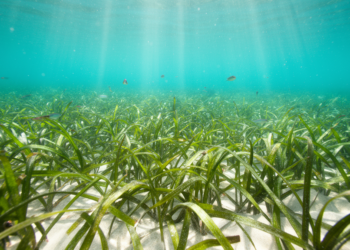
A large-scale genomic survey of Zostera japonica seagrass beds in China reveals that microbial communities follow latitudinal gradients and microhabitat-specific ...

Archival detective work combining Victorian field journals, AI transcription and modern mapping has finally fixed the type locality of Mexico's ...
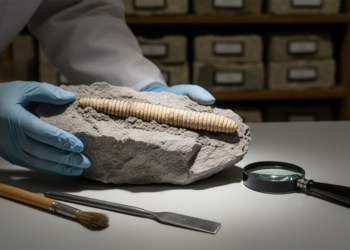
A newly named Eocene tubeworm, Hydroides engi, from Washington State's Cowlitz Formation is the first confirmed Eocene record of the ...
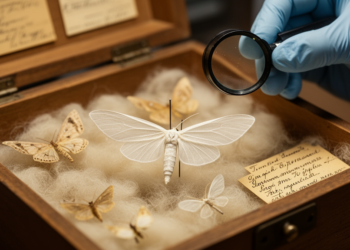
The first record of the ghost moth genus Hepialus in Georgia and the South Caucasus comes from museum specimens collected ...

The World of Crayfish platform turns 124,318 expert-validated occurrence records into directly interpretable biogeographic knowledge through a deliberately minimal web ...

A five-step numerical classification of 167 vegetation plots on Cabo Verde's coastal cliffs has yielded a new vegetation class, two ...
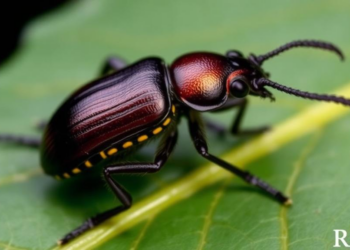
A new genus and species of click beetle from the mountains of the Dominican Republic is the first endemic elaterid ...
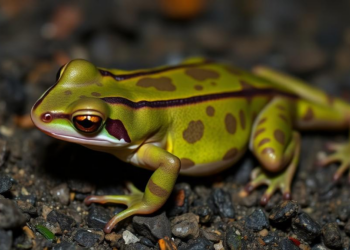
A new study of Mexico's Transmexican Volcanic Belt shows that environmental heterogeneity, historical climate shifts, and soil temperature drive striking ...


Embark on a thrilling journey of discovery with Scienmag.com—your ultimate source for cutting-edge breakthroughs. Immerse yourself in a world where curiosity knows no limits and tomorrow’s possibilities become today’s reality!