

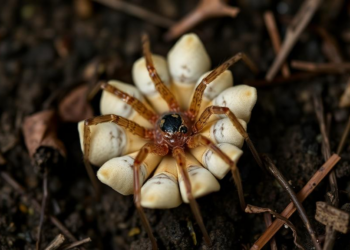
Field DNA sequencing uncovers a new spider-killing fungus in Brazil
Field-based genome sequencing helped scientists describe Purpureocillium atlanticum, a new fungus that kills trapdoor spiders and reveals the hidden diversity ...
Field-based genome sequencing helped scientists describe Purpureocillium atlanticum, a new fungus that kills trapdoor spiders and reveals the hidden diversity ...
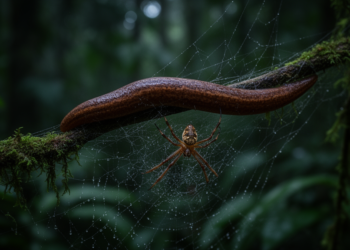
Researchers documented the first known case of a land planarian preying on a web-building spider in the Brazilian Atlantic Forest, ...

A study of a Brazilian river basin finds that bird richness, cooling and air purification rise together outside the city, ...

For the first time, scientists have described the complete chromosome set of frogs in the Adenomera thomei clade from Brazil's ...

Two surviving copies of an eighteenth-century Brazilian butterfly book made with the extinct technique of lepidochromy have been rediscovered, reattributed ...
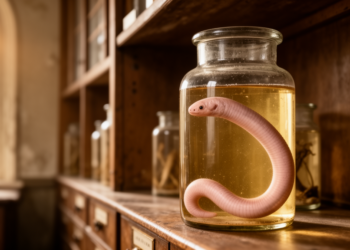
A reidentified 19th century museum specimen reveals the first record of the Atlantic Forest worm lizard Amphisbaena hogei in Minas ...

A two-year study of eight dominant tree species in an urban subtropical forest in southern Brazil reveals synchronized leaf rhythms ...
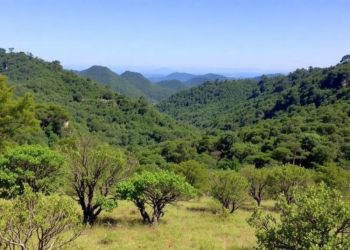
A new assessment of eleven strictly protected areas in Rio Grande do Sul, southern Brazil, finds that 91 percent show ...

Camera traps in Brazil's Atlantic Forest reveal how gray brocket deer use communal latrines for complex chemical communication, with distinct ...
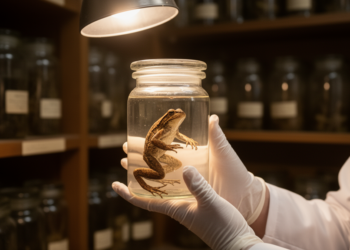
Museum specimens collected before and after the 1970s amphibian die-offs at Brazil's Boracéia Biological Station reveal that the chytrid fungus ...


Embark on a thrilling journey of discovery with Scienmag.com—your ultimate source for cutting-edge breakthroughs. Immerse yourself in a world where curiosity knows no limits and tomorrow’s possibilities become today’s reality!