


Persistent Malaria Hotspots in Peru Highlight Challenges for Disease Elimination Efforts
A longitudinal study of malaria in Peru identifies persistent geographic hotspots and quantifies the associated economic productivity losses to inform ...
A longitudinal study of malaria in Peru identifies persistent geographic hotspots and quantifies the associated economic productivity losses to inform ...

A new study reveals a sharp rise in malaria cases linked to illegal mining activity in Brazil’s Roraima state between ...

A study in Nature reveals that wild tapirs and anteaters in Brazil accumulate significantly higher concentrations of microplastics in their ...

A study of 28 organic cacao agroforests in the northern Peruvian Amazon found that combining heterogeneous shade-tree canopies with 30 ...

Sanctioned Brazilian ranchers reroute cattle through intermediaries, keeping goods linked to forced labor in domestic and international supply chains at ...
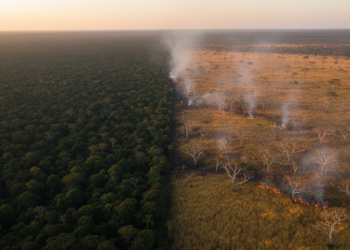
A 40-year analysis of MapBiomas burned-area centroids shows that fires in natural vegetation and anthropogenic land use in Brazil remain ...
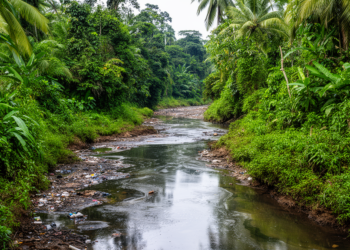
The first PFAS survey of an Amazonian urban stream found short-chain compounds at concentrations exceeding international drinking-water benchmarks.
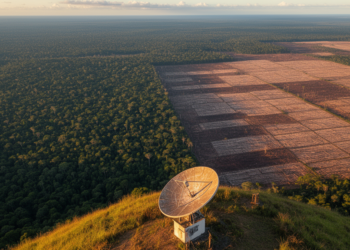
A University of Cambridge-led satellite analysis of three decades and seven presidencies finds that Brazilian election outcomes were directly linked ...

A new study finds microplastics in every sample of water and sediment from an Amazonian floodplain lake, dominated by blue ...
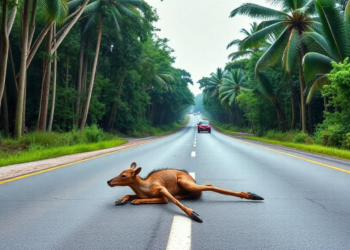
A four-year study of Brazil's BR-319 highway documents 673 wildlife deaths and shows that roadkill hotspots shift over time with ...


Embark on a thrilling journey of discovery with Scienmag.com—your ultimate source for cutting-edge breakthroughs. Immerse yourself in a world where curiosity knows no limits and tomorrow’s possibilities become today’s reality!