

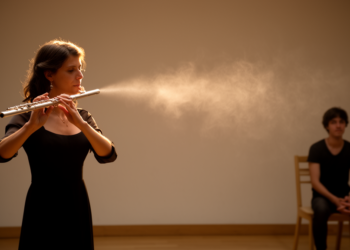
Wind Instruments Emit Respiratory Aerosols That Can Travel Beyond Six Feet, Review Finds
A scoping review of eight studies finds that wind instrument aerosol emissions depend on instrument design, loudness, technique and performer ...
A scoping review of eight studies finds that wind instrument aerosol emissions depend on instrument design, loudness, technique and performer ...

A month-long study in Guangzhou found firework events raised barium concentrations up to 1000-fold above background, with chloride-rich particles transforming ...

A 17-year AERONET analysis of Singapore's atmosphere shows pollution-related aerosol regimes accounted for 74 percent of observations, with non-absorbing fine-mode ...

Black carbon aerosols raised temperatures and humidity during India's 2015 heatwave, exposing about 30 million additional people to extreme heat ...

Indoor aerosols from air-conditioning systems at seven Nigerian university health centers contained measurable endocrine-disrupting compounds, with ingestion identified as the ...
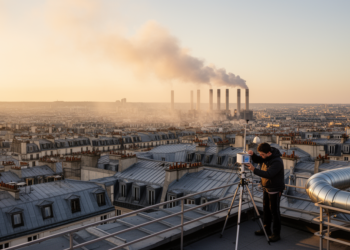
Measurements in and downwind of Paris show aerosols become more oxidized and optically distinct over two to six hours of ...
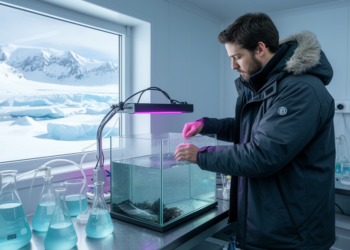
Deck-borne tank experiments near the Antarctic Peninsula show that removing UV light increased DMS emissions by 24 percent, MeSH emissions ...
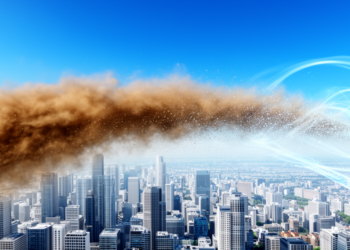
A 16-year simulation shows primary brown carbon aerosol in China fell 20.8 percent from 2005 to 2020, driven mainly by ...

A two-decade analysis of Arctic aerosol measurements identifies three distinct regimes with contrasting trajectories for cloud-forming particles as the region ...

High above the western North Atlantic, the ocean is quietly seeding the clouds above it with particles large enough to ...


Embark on a thrilling journey of discovery with Scienmag.com—your ultimate source for cutting-edge breakthroughs. Immerse yourself in a world where curiosity knows no limits and tomorrow’s possibilities become today’s reality!