

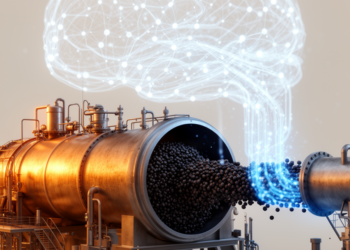
Machine Learning Meets Design of Experiments to Predict Hydrochar Properties at Scale
A new review shows how combining design of experiments with machine learning can transform hydrothermal carbonization from empirical tuning into ...
A new review shows how combining design of experiments with machine learning can transform hydrothermal carbonization from empirical tuning into ...

Deep inside abandoned coal mines, a slow-motion chemical reaction never stops. Leftover pyrite, exposed to water, oxygen and microorganisms, keeps ...
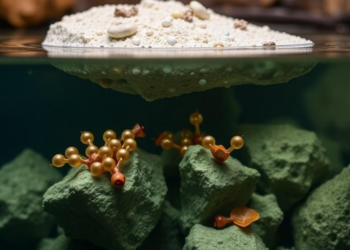
Brazilian researchers grew carbon nanotubes on cobalt-impregnated serpentinite rock and used the magnetic amphiphilic composites to remove the persistent herbicide ...
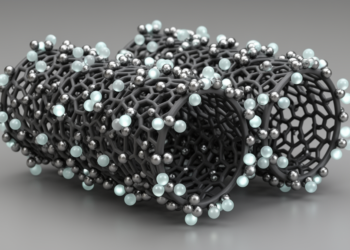
First-principles simulations reveal that decorating silicon carbide nanotubes with nickel or platinum atoms dramatically boosts hydrogen adsorption, with nickel delivering ...
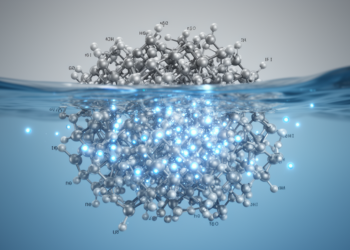
An amine-terminated zirconium metal-organic framework removed 99.86 percent of lanthanum from water and showed strong selectivity even in seawater, according ...
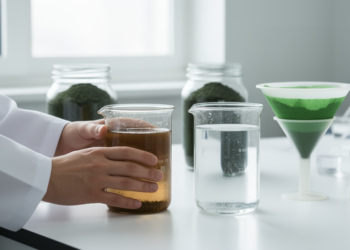
A new critical review finds that green sorbents made from wood, fruit peels, eggshells, algae, and seaweed can strip dyes, ...
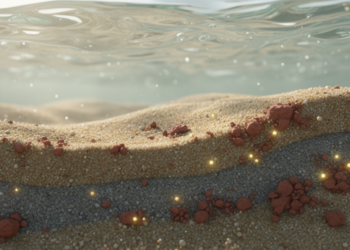
New experiments reveal that trace kaolinite clay, not quartz or organic matter, controls the removal of radium-226 from sandy freshwater ...
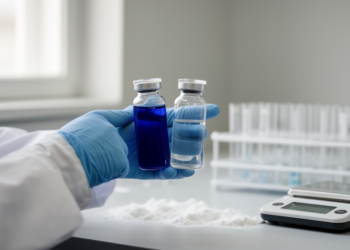
A new systematic review of 83 adsorbents proposes a five-criteria screening framework that identifies hydrogels, biochars, and alginate composites as ...
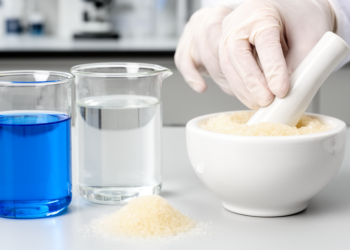
Nigerian chemists used a solvent-free mortar-and-pestle synthesis to create a zinc-based metal–organic framework that removes 99.35 percent of methylene blue ...
Researchers in India have developed an electrospun PVDF membrane loaded with carbon quantum dots and titanium dioxide that removes 74.4 ...


Embark on a thrilling journey of discovery with Scienmag.com—your ultimate source for cutting-edge breakthroughs. Immerse yourself in a world where curiosity knows no limits and tomorrow’s possibilities become today’s reality!