

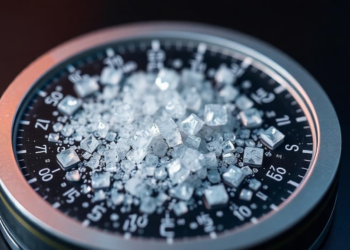
Zirconium doping fortifies manganese lithium-ion sieves for brine extraction
Lithium sits at the heart of the modern energy transition, and the race to secure it has pushed chemists toward ...
Lithium sits at the heart of the modern energy transition, and the race to secure it has pushed chemists toward ...
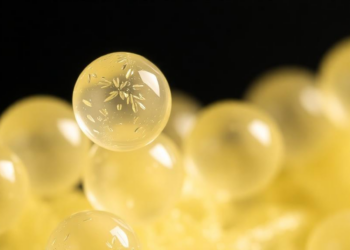
Researchers have developed recoverable chitosan-based hydrogel beads embedded with a zirconium metal-organic framework and reduced graphene oxide that remove nearly ...
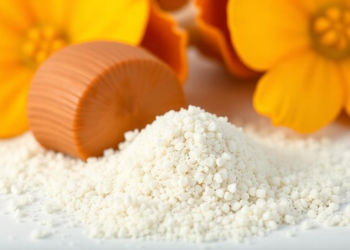
A Camellia oleifera shell-derived lignosulfonate adsorbent removed 97.01 percent of quinoline from model hydrogenation feedstock oil in 120 minutes and ...

Discarded Amazonian Sacha Inchi shells transformed into carbonaceous materials that remove mercury from water with remarkable efficiency, offering a sustainable ...

Carbon capture has long been treated as a numbers game: the more square meters of surface a material packs into ...
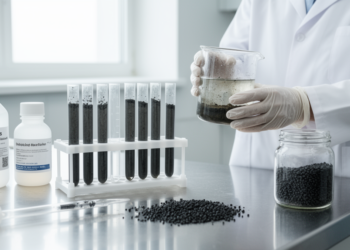
Argentine researchers found that clay–carbon hybrid adsorbents can remove up to 0.6 mmol/g of the veterinary antibiotic oxytetracycline from water ...
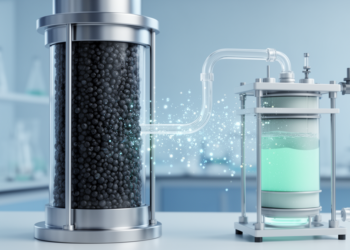
A Turkish-Japanese team combined spinel-type λ-MnO2 adsorbent with submerged ultrafiltration to recover lithium from real geothermal fluids and RO concentrate, ...
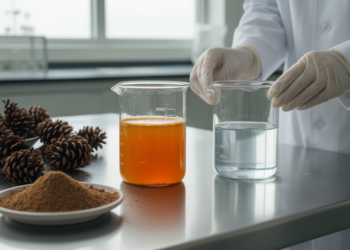
A Fenton-modified pine cone-derived poly(hydroxamic acid) ligand selectively captures lead ions from acid mine drainage, achieving 86 mg/g capacity through ...
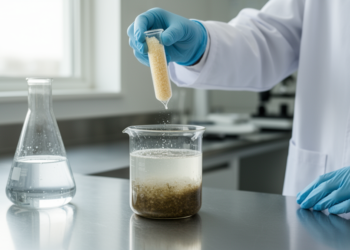
A lanthanum-modified metal-organic framework from the University of Pittsburgh captures PFAS, arsenic, and lead simultaneously, with Langmuir capacities up to ...
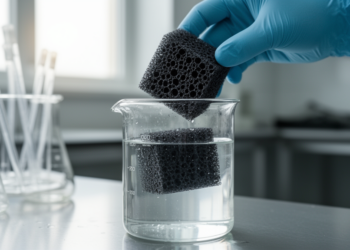
Brazilian researchers combined experiments and quantum simulations to reveal that three-dimensional graphene materials capture paracetamol through physisorption, with capacity peaking ...


Embark on a thrilling journey of discovery with Scienmag.com—your ultimate source for cutting-edge breakthroughs. Immerse yourself in a world where curiosity knows no limits and tomorrow’s possibilities become today’s reality!