

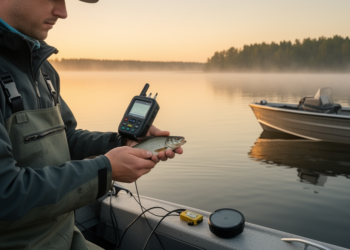
New 307 kHz acoustic tags show how far small fish can be tracked in a lake
A field test in a small Ontario lake found that high-frequency 307 kHz acoustic tags remain detectable over tens to ...
A field test in a small Ontario lake found that high-frequency 307 kHz acoustic tags remain detectable over tens to ...
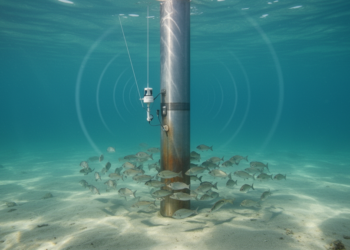
A field study at an offshore wind monopile found that acoustic shadowing reduced an obstructed receiver's contribution by about 19 ...

A study of Japanese vowels finds that dynamic spectral features derived from Vowel Inherent Spectral Change discriminate vowels more consistently ...

An experimental study in Cluster Computing shows that footwear variety, microphone distance, and sample length shape how well people can ...

For decades, the fight against urban noise has followed a simple logic: measure the decibels, set legal limits, and push ...
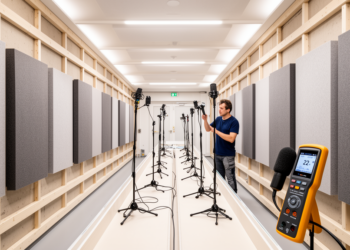
A controlled pilot-model comparison found a 22.0 dB mean reduction in indicated sound level after an acoustic retrofit, but the ...

A study combining mitochondrial DNA and frog-call analysis identified 190 candidate species across New Guinea and neighbouring islands and estimated ...
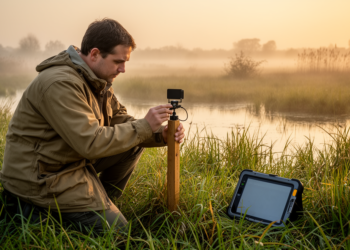
A systematic review of 26 studies and a German field case study found that validated passive acoustic monitoring confirmed invasive ...

Researchers in Shanghai have designed a multi-resonator acoustic metamaterial package that blocks electric motor noise below 2000 Hz, using a ...

The first passive acoustic survey of the Churchill River estuary captures beluga vocal behavior under near-natural conditions, revealing tidal and ...


Embark on a thrilling journey of discovery with Scienmag.com—your ultimate source for cutting-edge breakthroughs. Immerse yourself in a world where curiosity knows no limits and tomorrow’s possibilities become today’s reality!