


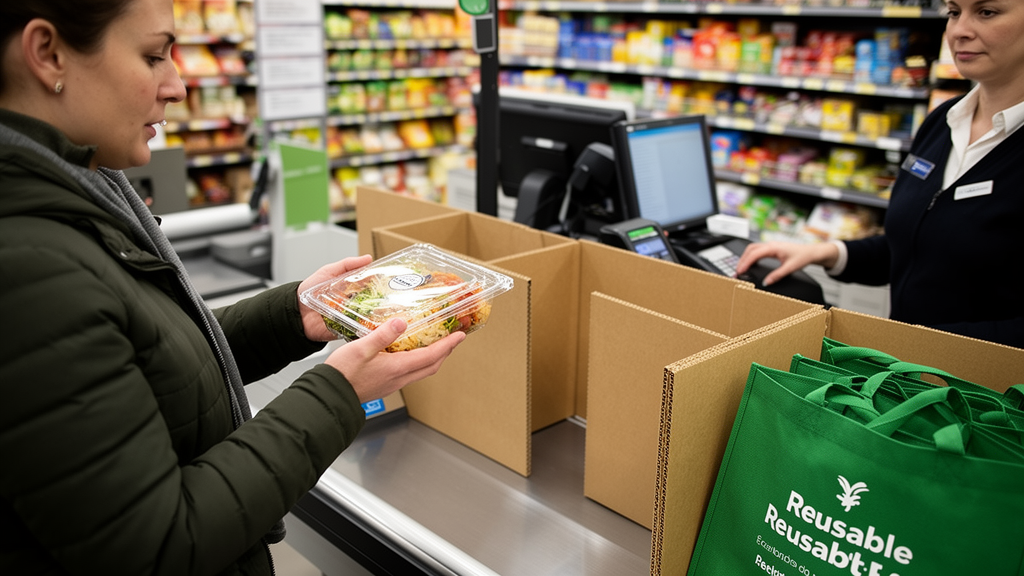
A cross-sectional survey of 525 people across multiple European countries found that limited access to reusable products and the convenience of plastic-based retail systems were the most frequently reported barriers to reducing single-use plastic use. The study, conducted within the Horizon Europe SeaClear 2.0 network, combined quantitative analyses of knowledge, emotions and self-reported behaviour with qualitative analysis of open-ended responses. Among the respondents, 67.6% identified limited access to reusable products as a barrier, while 51.2% cited the convenience of plastic-based retail systems.
Environmental knowledge and concern were widespread in the same survey. Respondents answered more than 89% of the marine-litter knowledge items correctly. Emotional responses were also common: 81.0% reported feeling worried when encountering marine litter, and 77.5% reported sadness or guilt.
In addition, 86.1% said they were willing to pay more for sustainable products. The study reports these attitudes alongside patterns of plastic use rather than treating them as proof that awareness or willingness alone produces behavioural change. Self-reported habits showed a marked contrast with several stated intentions.
Although 23.8% of respondents expressed commitment to zero-waste practices, 66.9% reported frequently choosing single-use plastics for convenience. The researchers associated reported single-use plastic consumption with the material-provisioning systems surrounding shopping, including access to reusable alternatives and the practical convenience of plastic packaging and retail systems. Because the survey was cross-sectional and included self-reported behaviour, it cannot establish that particular barriers caused respondents’ choices or measure changes over time.
Open-ended responses added detail to the numerical findings. Participants expressed frustration with plastic packaging, mistrust in recycling systems, and strong calls for systemic rather than individual responsibility. These comments were consistent with the reported prominence of convenience and limited reusable-product access, but the study did not directly test the effectiveness of any specific intervention or policy.
Overall, the findings identify practical conditions associated with single-use plastic use in this surveyed population while showing that high marine-litter knowledge, emotional concern, willingness to pay and zero-waste commitments coexisted with frequent convenience-based choices.
Subject of Research: Structural barriers associated with self-reported single-use plastic consumption in a multi-country European survey
Article Title: Structural barriers to reducing single-use plastics
Article References: Pozniak, I., Šošić, M. M., Pećarević, M., & Palunko, I. (2026). Structural barriers to reducing single-use plastics. Discover Sustainability. https://doi.org/10.1007/s43621-026-04701-9
Image Credits: AI Generated
DOI: 10.1007/s43621-026-04701-9
Keywords: single-use plastics, marine litter, consumer behaviour, reusable products, plastic packaging, retail systems, willingness to pay, zero waste, cross-sectional survey, Europe, Structural, barriers
Cite Scienmag News
Violet Maxwell. (October 26, 2026). Survey links single-use plastic use to retail barriers. Scienmag. https://scienmag.com/survey-links-single-use-plastic-use-to-retail-barriers/
Violet Maxwell. "Survey links single-use plastic use to retail barriers." Scienmag, 26 October 2026, https://scienmag.com/survey-links-single-use-plastic-use-to-retail-barriers/. Accessed 26 October 2026.
Violet Maxwell. "Survey links single-use plastic use to retail barriers." Scienmag. October 26, 2026. https://scienmag.com/survey-links-single-use-plastic-use-to-retail-barriers/


