


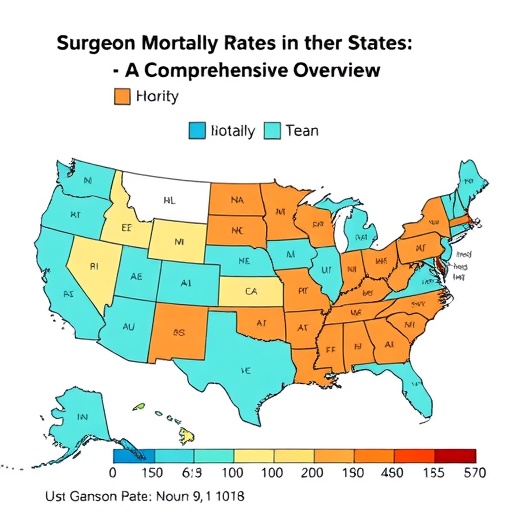
A recent investigation published in a leading surgical journal has brought to light a worrying paradox within the medical profession: while nonsurgeon physicians consistently exhibit lower mortality rates compared to other highly educated professional groups, this survival advantage seemingly vanishes for surgeons. Despite similar levels of healthcare literacy, access to resources, and baseline health status shared between these two physician subgroups, surgeons experience disproportionately higher mortality. This discrepancy invites a deeper exploration into the occupational, environmental, and lifestyle stresses uniquely endured by surgical practitioners.
The study meticulously analyzed mortality data among different categories of physicians, honing in on surgeons as a group distinct in their risk profile. It revealed that causes of death such as motor vehicle collisions occur at elevated rates within the surgical cohort. Such findings point toward a correlation between the demanding nature of surgical work—characterized by extended hours, high stakes decision-making, and unpredictable schedules—and increased exposure to hazardous situations including fatal traffic incidents. Surgeons commonly endure long shifts that can extend overnight, leading to chronic sleep deprivation and impaired cognitive function, factors known to degrade reaction times and decision-making ability when operating vehicles.
This research utilized robust epidemiological methods to control for confounding variables such as age, sex, and socioeconomic status, ensuring that the observed mortality differences were not artifacts of demographic discrepancies but rather reflective of occupational hazards intrinsic to surgical practice. In doing so, the study emphasizes the significance of workplace factors and lifestyle rhythms in shaping surgeon mortality outcomes, beyond what can be explained by education and access to quality healthcare.
One of the pivotal observations emerging from this analysis is that the intrinsic healthcare knowledge possessed by surgeons does not confer a protective effect against adverse health outcomes in the same way it does for other physicians. While all physicians benefit from heightened health awareness and better healthcare access, the physical and psychological toll exacted by surgical responsibilities may counterbalance these advantages. Stress-induced physiological changes, irregular nutrition, and insufficient recuperative periods are hypothesized contributors to this elevated risk.
Furthermore, the data sheds light on the broader implications of professional demands on surgeon wellbeing. High patient acuity, the relentless pace of surgeries, and administrative burdens often force surgeons into a cycle of exhaustive work that leaves little room for self-care. The resultant lifestyle compromises presumably exacerbate vulnerability to accidents outside the hospital environment, such as motor vehicle crashes, which this study highlights as a leading cause of mortality in this group.
This study’s insights contribute to a growing body of literature underscoring the importance of occupational health reforms aimed at mitigating surgeon fatigue and optimizing work schedules. Innovative policies such as mandated limits on consecutive work hours, enhanced support systems for stress management, and promotion of work-life balance are potential avenues to reduce these preventable fatalities. Institutional commitment to safeguarding surgeon health is essential not only for individual practitioners but also for sustaining a robust healthcare workforce capable of delivering high-quality surgical care.
Moreover, the findings highlight the paradoxical situation where surgeons’ intimate familiarity with the pathophysiology and treatment of illness does not translate into better health outcomes for themselves. This dichotomy points to systemic issues within surgical training and practice environments that may undervalue personal health maintenance in favor of professional duty and patient care demands.
In parallel, the study raises awareness about the critical need for targeted interventions addressing transportation safety among surgeons. Given the disproportionate incidence of fatal vehicular accidents, preemptive measures such as fatigue education, designated rest periods, and availability of alternative commute options warrant consideration to safeguard surgeons in transit.
The investigation also calls for extended research into the interplay between occupational stressors and long-term health trajectories within the surgical community. Chronic stress has well-established connections to cardiovascular disease, metabolic syndrome, and mental health disorders. Longitudinal studies would be instrumental in delineating how cumulative exposure to the rigors of surgical practice impacts morbidity and mortality beyond acute events like crashes.
Furthermore, this evidence challenges healthcare systems to reconsider how they support surgeons’ physical and mental health, potentially integrating routine wellness assessments, accessible counseling services, and peer support programs as standard components of surgical departments. Cultivating a culture where seeking help is normalized rather than stigmatized might alleviate some of the hidden burdens surgeons face.
By bringing to light the alarming rate of mortality linked to external factors influenced by occupational demands, this study serves as a wake-up call to hospital administrations, policymakers, and surgeons themselves. Without strategic changes, the surgical profession risks perpetuating a cycle where those committed to saving lives are more likely than their nonsurgical counterparts to face premature mortality.
In conclusion, while nonsurgeon physicians enjoy a mortality advantage reflecting their education and resources, surgeons confront unique occupational hazards that nullify these benefits. The study advocates for a paradigm shift in how surgical work environments are structured and how surgeon wellbeing is prioritized, aiming ultimately to reduce preventable deaths within this critical healthcare sector.
For further information or to discuss these findings with the lead researcher, Anupam B. Jena, MD, PhD, interested parties may contact him directly via email at jena@hcp.med.harvard.edu.
News Publication Date: [Not provided]
Web References: [Not provided]
References: (doi:10.1001/jamasurg.2025.2482)
Cite Scienmag News
Courtney Benton. (August 2, 2025). Surgeon Mortality Rates in the United States: A Comprehensive Overview. Scienmag. https://scienmag.com/surgeon-mortality-rates-in-the-united-states-a-comprehensive-overview/
Courtney Benton. "Surgeon Mortality Rates in the United States: A Comprehensive Overview." Scienmag, 2 August 2025, https://scienmag.com/surgeon-mortality-rates-in-the-united-states-a-comprehensive-overview/. Accessed 3 September 2026.
Courtney Benton. "Surgeon Mortality Rates in the United States: A Comprehensive Overview." Scienmag. August 2, 2025. https://scienmag.com/surgeon-mortality-rates-in-the-united-states-a-comprehensive-overview/


