

Tuesday, October 20, 2026
Science
No Result
View All Result
  • Login
  • HOME
  • SCIENCE NEWS
  • CONTACT US
  • HOME
  • SCIENCE NEWS
  • CONTACT US
No Result
View All Result
Scienmag
No Result
View All Result
Home Science News Biology

Study of human datasets, Ang II-treated mice and cardiomyocytes links altered DRD1 to atrial fibrillation-related stress

October 20, 2026
in Biology
Drew Townsend
By Drew Townsend Scienmag Editorial Profile - Cell Biology
Reading Time: 2 mins read
0
Brain Chemical’s Heart Receptor Emerges as Hidden Player in Atrial Fibrillation

Brain Chemical's Heart Receptor Emerges as Hidden Player in Atrial Fibrillation

65
SHARES
587
VIEWS
Share on FacebookShare on Twitter
ADVERTISEMENT

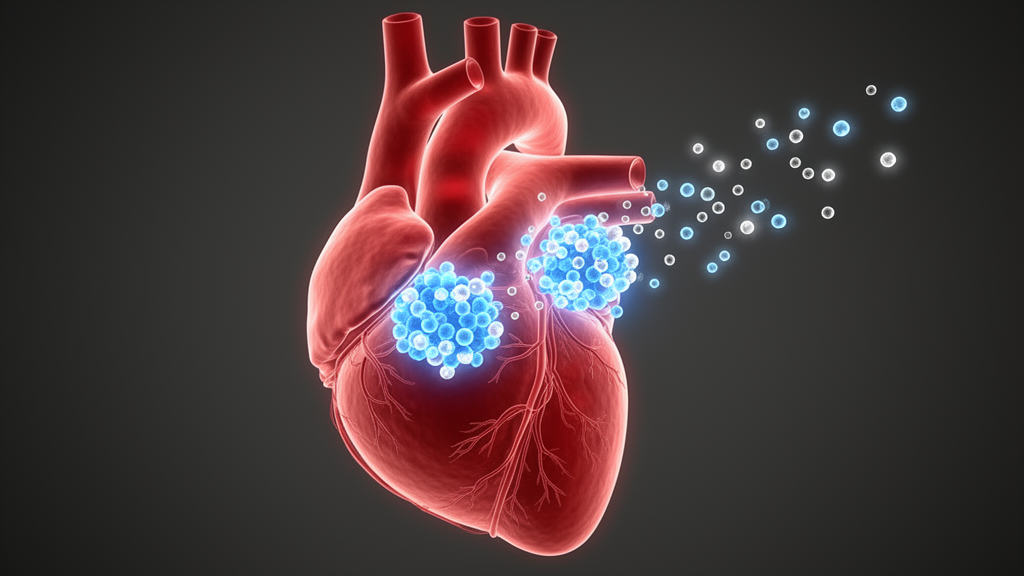
A study combining human cardiac transcriptomic datasets, an angiotensin II (Ang II) mouse model and HL-1 cardiomyocytes found that dopamine receptor D1 (DRD1) expression was altered in epicardial adipose tissue and reduced in myocardial tissue from patients with atrial fibrillation (AF) compared with sinus rhythm controls. In the mouse model, atrial DRD1 expression was also lower after chronic Ang II infusion, alongside increased AF inducibility and duration. The reported abstract does not establish that reduced DRD1 caused the greater AF susceptibility observed in the animals.

For the human analyses, the researchers examined DRD1 expression in the GSE135445 epicardial adipose tissue dataset and independently in the GSE41177 myocardial transcriptomic dataset. They also assessed DRD1 expression and AF-associated phenotypes in C57BL/6 mice subjected to chronic Ang II infusion. These approaches linked expression changes with experimental atrial remodeling but did not directly test whether manipulating DRD1 in vivo would change AF susceptibility.

Cell experiments provided a functional assessment. In HL-1 cardiomyocytes, Ang II reduced DRD1 expression, whereas DRD1 overexpression increased phosphorylation of PI3K/Akt. Overexpression also attenuated Ang II-induced reductions in cell viability, increases in lactate dehydrogenase release and hypertrophic responses, as well as increases in reactive oxygen species generation, oxidative stress and signaling associated with the NLRP3 inflammasome. These findings describe a protective effect of increased DRD1 expression against Ang II-induced cellular stress under the tested experimental conditions.

The researchers evaluated the contribution of PI3K/Akt signaling with LY294002, which partially attenuated the effects associated with DRD1 overexpression. On the basis of this cell-model intervention, the authors concluded that PI3K/Akt signaling contributed to the observed protection, while noting that the molecular pathway was not necessarily responsible for the entire effect. The work is a combined human-data, animal and cell study, and the available abstract does not provide sample sizes, effect estimates or statistical details. Its principal limitation is that the causal regulation of AF susceptibility by DRD1 in vivo remained unestablished; the reported cell findings therefore do not demonstrate a clinical benefit or establish a treatment effect in people with AF.

Subject of Research: DRD1 expression and PI3K/Akt signaling in atrial fibrillation-associated tissue and experimental cardiomyocyte stress

Article Title: Dopamine receptor D1 is altered in atrial fibrillation-associated tissues and modulates Ang II-induced cardiomyocyte stress partly through PI3K/Akt signaling

Article References: Shu, W., & Ning, Z. (2026). Dopamine receptor D1 is altered in atrial fibrillation-associated tissues and modulates Ang II-induced cardiomyocyte stress partly through PI3K/Akt signaling. Molecular Biology Reports, 53(1), Article 1581. https://doi.org/10.1007/s11033-026-12755-1

Image Credits: AI Generated

DOI: 10.1007/s11033-026-12755-1

Keywords: dopamine receptor D1, atrial fibrillation, cardiomyocyte stress, angiotensin II, PI3K/Akt signaling, oxidative stress, NLRP3 inflammasome, epicardial adipose tissue, mouse model, Dopamine, receptor, altered

Cite Scienmag News

Drew Townsend. (October 20, 2026). Study of human datasets, Ang II-treated mice and cardiomyocytes links altered DRD1 to atrial fibrillation-related stress. Scienmag. https://scienmag.com/study-of-human-datasets-ang-ii-treated-mice-and-cardiomyocytes-links-altered-drd1-to-atrial-fibrillation-related-stress/


Drew Townsend. "Study of human datasets, Ang II-treated mice and cardiomyocytes links altered DRD1 to atrial fibrillation-related stress." Scienmag, 20 October 2026, https://scienmag.com/study-of-human-datasets-ang-ii-treated-mice-and-cardiomyocytes-links-altered-drd1-to-atrial-fibrillation-related-stress/. Accessed 20 October 2026.

Drew Townsend. "Study of human datasets, Ang II-treated mice and cardiomyocytes links altered DRD1 to atrial fibrillation-related stress." Scienmag. October 20, 2026. https://scienmag.com/study-of-human-datasets-ang-ii-treated-mice-and-cardiomyocytes-links-altered-drd1-to-atrial-fibrillation-related-stress/

Tags: Alteredangiotensin IIAtrial Fibrillationcardiac stress and atrial fibrillation developmentcardiomyocyte stressdopaminedopamine receptor D1epicardial adipose tissuemouse modelNLRP3 inflammasomeOxidative stressPI3K-AKT signalingreceptor
Share26Tweet16
Previous Post

Bibliometric review maps research priorities for nanoplastics in drinking water

Next Post

Multicenter observational cohort links symptom subtypes with medication adherence in older pulmonary tuberculosis patients

Related Posts

Inflammatory Signal Supercharges TGF-β Drive That Makes Liver Cancer Cells Migrate and Invade
Biology

Cell study finds IL-1β amplifies TGF-β1 effects in SK-Hep1 cells through p38 MAPK-linked SMAD2/3 signaling

October 20, 2026
Defective HIV proviruses reprogram T cells at selected integration sites
Biology

Defective HIV proviruses reprogram T cells at selected integration sites

October 20, 2026
Turning Evolution Against Itself: How Collateral Sensitivity Could Outsmart Drug-Resistant Bacteria
Biology

Review outlines collateral-sensitivity strategies for antimicrobial resistance

October 20, 2026
Research report: Protokoll der Jahresversammlung der Schweizerischen Entomologischen Gesellschaft vom 6. und 7. März am Naturhistorischen Museum Basel
Biology

Research report: Protokoll der Jahresversammlung der Schweizerischen Entomologischen Gesellschaft vom 6. und 7. März am Naturhistorischen Museum Basel

October 20, 2026
Gene Variant Tied to Bladder Cancer Risk Also Drives Key Blood Biomarker, Study Finds
Biology

Case-control study links VEGFA rs833061 variants with bladder cancer and serum YKL-40

October 20, 2026
Candolleomyces cladii-marisci established as new fungal combination
Biology

Candolleomyces cladii-marisci established as new fungal combination

October 20, 2026
Next Post
Hidden Symptom Patterns Predict Whether Older Tuberculosis Patients Stay on Their Medication

Multicenter observational cohort links symptom subtypes with medication adherence in older pulmonary tuberculosis patients

  • Mothers who receive childcare support from maternal grandparents show more optimized

    Mothers who receive childcare support from maternal grandparents show more parental warmth, finds NTU Singapore study

    27656 shares
    Share 11059 Tweet 6912
  • University of Seville Breaks 120-Year-Old Mystery, Revises a Key Einstein Concept

    1061 shares
    Share 424 Tweet 265
  • Bee body mass, pathogens and local climate influence heat tolerance

    682 shares
    Share 273 Tweet 171
  • Researchers record first-ever images and data of a shark experiencing a boat strike

    546 shares
    Share 218 Tweet 137
  • Groundbreaking Clinical Trial Reveals Lubiprostone Enhances Kidney Function

    531 shares
    Share 212 Tweet 133
Science

Embark on a thrilling journey of discovery with Scienmag.com—your ultimate source for cutting-edge breakthroughs. Immerse yourself in a world where curiosity knows no limits and tomorrow’s possibilities become today’s reality!

RECENT NEWS

  • KAN surrogates closely reproduce LPA perfectionism profiles in Turkish adolescents
  • Parents’ gatekeeper role in screen time control: a phenomenological study of parents’ lives
  • Secondary analysis finds no clear correlation between indoor pollutants and blood pressure in 4,854 Japanese toddlers
  • Mexican cross-sectional study links greater delivery of recommended care with higher perceived quality among adults with uncontrolled hypertension

Categories

  • Agriculture
  • Anthropology
  • Archaeology
  • Athmospheric
  • Biology
  • Biotechnology
  • Blog
  • Bussines
  • Cancer
  • Chemistry
  • Climate
  • Earth Science
  • Editorial Policy
  • Marine
  • Mathematics
  • Medicine
  • Pediatry
  • Policy
  • Psychology & Psychiatry
  • Science Education
  • Science News
  • Social Science
  • Space
  • Technology and Engineering

Subscribe to Blog via Email

Enter your email address to subscribe to this blog and receive notifications of new posts by email.

Join 5,150 other subscribers

© 2025 Scienmag - Science Magazine

Welcome Back!

Login to your account below

Forgotten Password?

Retrieve your password

Please enter your username or email address to reset your password.

Log In
No Result
View All Result
  • HOME
  • SCIENCE NEWS
  • CONTACT US

© 2025 Scienmag - Science Magazine

Discover more from Science

Subscribe now to keep reading and get access to the full archive.

Continue reading