


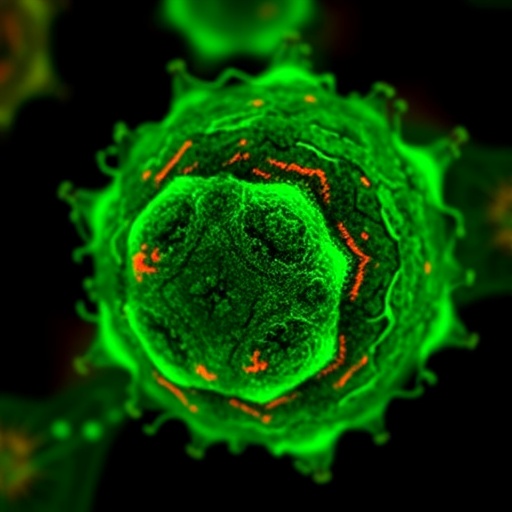
In a groundbreaking revelation that challenges longstanding assumptions about schizophrenia, researchers at Stanford Medicine have identified a surprising new source of the complement protein C4A, a pivotal player in immune system function and a major genetic risk factor for the disorder. Until now, it was widely believed that C4A was primarily produced by the liver. However, recent investigations have uncovered that neutrophils—the most abundant type of white blood cells responsible for frontline immune defense—also manufacture this protein. This discovery suggests a novel link between peripheral immune activity and the complex neuropathology of schizophrenia, a disorder traditionally viewed as confined to the brain.
Schizophrenia affects approximately 1% of the global population, with symptoms including hallucinations, delusions, cognitive impairments, and disorganized behavior. While antipsychotic medications such as clozapine can mitigate some of these manifestations, they often come with significant side effects and do not halt disease progression or reverse cognitive deficits. Notably, clozapine’s efficacy correlates intriguingly with its capacity to suppress neutrophil counts, a phenomenon that now gains added significance in light of the new findings regarding neutrophil-derived C4A production.
Neutrophils function as rapid-response agents in the immune system, arriving first at sites of bacterial infection to engulf pathogens and deploy toxic enzymes to neutralize intruders. Their short lifespan—ranging from hours to a few days—culminates in their sacrifice to contain infections, as evidenced by the characteristic pus of wound sites. The recognition that these cells not only participate in physical immune defenses but can also produce a complex immune molecule previously attributed largely to hepatic synthesis marks an important conceptual shift in immunopsychiatry.
The complement system, an ancient and highly conserved component of innate immunity, orchestrates a cascade of protein activations that aid in eliminating pathogens and mediating inflammation. C4A is a critical effector within this system, activated through the enzymatic release of a fragment known as C4-ana. This activation triggers downstream events such as the formation of membrane attack complexes that can puncture bacterial cell walls. Paradoxically, individuals with schizophrenia consistently exhibit increased activation of complement components, including elevated plasma levels of C4-ana, suggesting a sustained, dysregulated immune response alongside neural pathology.
Beyond its immunological role, C4A is implicated in the brain’s synaptic pruning process—a vital developmental mechanism through which redundant or excess synapses are eliminated to refine neural circuits and enhance cognitive functioning. This selective removal is crucial during fetal development and adolescence, periods coinciding with the typical onset of schizophrenia symptoms. Imaging studies have documented substantial synaptic deficits and cortical thinning in schizophrenia patients, correlating with cognitive impairments. These neuropathological changes have now been linked to heightened peripheral immune activity, particularly through neutrophil counts.
Genetic studies have long identified the complement component 4 (C4) locus as one of the strongest common genetic risk factors for schizophrenia, primarily attributed to variation in the copy number of the C4A gene. Whereas typical human genomes harbor two copies, some individuals possess multiple duplications, resulting in elevated C4A protein expression and a corresponding rise in schizophrenia susceptibility. Nevertheless, the mechanistic pathways connecting gene copy number to clinical phenotypes remained elusive until now, with the new evidence tying neutrophils directly to this process.
Employing an extensive gene expression analysis and sampling peripheral blood from volunteers, the Stanford team demonstrated that neutrophils do indeed produce C4A protein. Intriguingly, patients with schizophrenia exhibited increased C4A gene expression in these cells, correlating with symptom severity, yet paradoxically retained less intracellular C4A protein. This suggests heightened secretion or consumption of C4A outside neutrophils, potentially driving increased complement activation observed systemically and within the brain’s microenvironment.
Such findings ignite the tantalizing hypothesis that neutrophil-derived C4A could traverse or signal across the blood-brain barrier, influencing synaptic pruning and thus contributing directly to the pathophysiology of schizophrenia. If substantiated, this could redefine therapeutic targets, shifting some focus from central nervous system interventions to peripheral immune modulation—an approach potentially less impeded by the complexities of blood-brain barrier penetration.
Moreover, the potential to detect aberrant neutrophil activity and complement activation markers in blood offers promising avenues for early diagnosis and monitoring of schizophrenia. Currently, diagnosis relies heavily on clinical symptomatology, often established after significant neurological insult. The prospect of a peripheral biomarker that informs on disease progression or risk could revolutionize patient management, facilitating earlier intervention.
The confluence of genetic, immunological, and neurological data in this research underscores the multifaceted nature of schizophrenia. It challenges the dogma of schizophrenia as solely a brain disorder, highlighting the systemic interplay between the immune system and neural circuits. The study advances a holistic understanding of disease etiology, prompting reconsideration of integrative models encompassing peripheral and central pathologies.
While many questions remain—particularly regarding the precise mechanisms by which neutrophil-derived C4A influences brain function, and what factors drive its increased production and accelerated consumption—the research marks a crucial step forward. Experimental therapies targeting neutrophil activation or complement cascade modulation outside the brain may soon emerge, potentially transforming the landscape of schizophrenia treatment.
This groundbreaking work was detailed in an article published May 11, 2026, in the Proceedings of the National Academy of Sciences. The study was spearheaded by clinical psychiatrist and researcher Agnes Kalinowski, MD, PhD, with geneticist Alexander Urban, PhD, serving as senior author. Their multidisciplinary collaboration bridges psychiatry, immunology, and genetics, exemplifying the cross-cutting approach increasingly necessary in neuroscience research.
As the scientific community continues to assemble the pieces of the schizophrenia puzzle, this discovery opens a promising path toward disentangling the complex biological underpinnings of the disorder. The interplay between peripheral immune cell behavior and central nervous system integrity may hold keys not only to understanding schizophrenia but also to developing novel, more effective treatments that improve cognition and quality of life for millions affected globally.
Cite Scienmag News
Cassandra Pierce. (May 19, 2026). Stanford Medicine Researchers Discover Neutrophils Produce Protein Linked to Schizophrenia. Scienmag. https://scienmag.com/stanford-medicine-researchers-discover-neutrophils-produce-protein-linked-to-schizophrenia/
Cassandra Pierce. "Stanford Medicine Researchers Discover Neutrophils Produce Protein Linked to Schizophrenia." Scienmag, 19 May 2026, https://scienmag.com/stanford-medicine-researchers-discover-neutrophils-produce-protein-linked-to-schizophrenia/. Accessed 4 September 2026.
Cassandra Pierce. "Stanford Medicine Researchers Discover Neutrophils Produce Protein Linked to Schizophrenia." Scienmag. May 19, 2026. https://scienmag.com/stanford-medicine-researchers-discover-neutrophils-produce-protein-linked-to-schizophrenia/


