


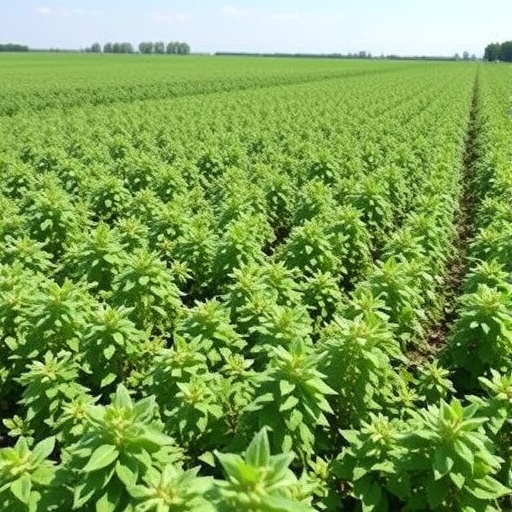
In the realm of agricultural science, the quest for enhancing crop quality and sustainability continues to be of paramount significance. A recent study illuminates an innovative approach to improving the fermentation quality and aerobic stability of alfalfa silage, a crucial feed source for livestock. The study explores the synergistic effects of sodium selenite, a compound known for its antioxidant properties, in conjunction with the probiotic bacterium Pediococcus acidilactici. This unique combination offers a fascinating glimpse into how nutrient interactions can bolster not just fermentation processes but also the overall quality of animal feed.
Alfalfa, a leguminous plant, is widely cultivated as high-quality forage, particularly in the livestock sector. Its ability to fix nitrogen and enhance soil health makes it a preferred crop among farmers. However, the preservation of alfalfa through silage can pose challenges. The fermentation process can sometimes lead to nutrient loss and poor palatability if not managed effectively. The introduction of sodium selenite and Pediococcus acidilactici aims to mitigate these issues, presenting a novel intervention for farmers and researchers alike.
Sodium selenite, a sodium salt of selenious acid, is a biologically active form of selenium—a trace element that plays a significant role in various physiological processes, including immune function and antioxidative stress response. The addition of this compound to silage could potentially enhance its nutritional profile. Selenium is also crucial in preventing oxidative damage, which might result during the fermentation of alfalfa, thus preserving the nutritional integrity of the silage.
On the other hand, Pediococcus acidilactici is a well-researched lactic acid bacterium known for its effectiveness in improving the fermentation process. This probiotic strain contributes to maintaining an anaerobic environment, crucial for effective silage fermentation. It produces lactic acid, which lowers the pH and helps inhibit the growth of undesirable bacteria and molds. The dual action of sodium selenite and this beneficial bacterium could not only improve fermentation outcomes but also enhance aerobic stability after feeding, reducing spoilage and waste.
The study conducted by Wang and colleagues emphasizes how the interplay of these two components—sodium selenite and Pediococcus acidilactici—creates a synergistic effect that enhances the overall quality of alfalfa silage. By analyzing various parameters of fermentation quality, including pH, dry matter content, and nutrient preservation, the research showcases the advantageous outcomes for livestock feed sustainability. Research such as this is vital, especially in the context of executing sustainable agricultural practices.
The findings indicate that the combination of sodium selenite and Pediococcus acidilactici significantly improved the fermentation quality of alfalfa silage, as evidenced by lower pH levels and increased lactic acid concentrations compared to the control group. Enhanced lactic acid levels not only contribute to better fermentation outcomes but also suggest a more palatable feed for livestock, thus potentially increasing intake and animal performance.
Furthermore, the aerobic stability of silage is critical, particularly when it is exposed to air during feeding. The study reveals that silages treated with both sodium selenite and Pediococcus acidilactici exhibited improved aerobic stability, demonstrating a reduced risk of spoilage when exposed to the environment. This aspect is crucial as it directly influences the effectiveness and economic viability of silage in feed systems.
An intriguing aspect of this research lies in the broader implications for animal health and production. Improved quality silage contributes to better nutrient absorption in livestock, which is essential for overall health and productivity, particularly in dairy and meat production systems. By optimizing the nutritional profile of silage, farmers can ensure healthier animals and better yields, addressing global food security challenges.
The emergence of this compound duo as a powerful tool highlights the importance of interdisciplinary collaborations between microbiology, agriculture, and nutrition sciences. Researchers continue to explore various methods to enhance agricultural outputs sustainably. This study serves as a model of how innovative solutions can arise from combining traditional knowledge with cutting-edge scientific research.
Furthermore, it sparks discussion on the role of probiotics in animal nutrition and the potential to use such interventions on a broader scale. As varying strains of probiotics are explored, the findings could lead to the development of customized bacterial supplements tailored to different feed types and animal needs.
Given the growing global need for sustainable agricultural practices, studies such as these underscore an urgent need to optimize feed resources. The enhancement of fermentation quality and stability through the use of sodium selenite and Pediococcus acidilactici has far-reaching potential, not only for improving farm productivity but also for reducing the environmental impact of livestock operations.
In conclusion, the synergy observed between sodium selenite and Pediococcus acidilactici reflects an exciting advancement in the field of animal nutrition. The foundational research provided by Wang et al. paves the way for future studies aimed at refining silage processes and improving overall livestock feed quality. As the agricultural sector faces increasing pressures, innovative and effective solutions such as these are essential in shaping sustainable practices for future generations.
The collaboration of diverse scientific domains highlights the importance of innovation in tackling the multifaceted challenges of modern agriculture, paving the way for a more resilient food production system in an ever-evolving world.
Wang, Q., Kuang, S., Wang, C. et al. The synergistic effect between sodium selenite and Pediococcus acidilactici on fermentation quality and aerobic stability of alfalfa silage.
Int Microbiol (2025). https://doi.org/10.1007/s10123-025-00717-9
Cite Scienmag News
Alan Morgan. (September 16, 2025). Sodium Selenite Boosts Fermentation in Alfalfa Silage. Scienmag. https://scienmag.com/sodium-selenite-boosts-fermentation-in-alfalfa-silage/
Alan Morgan. "Sodium Selenite Boosts Fermentation in Alfalfa Silage." Scienmag, 16 September 2025, https://scienmag.com/sodium-selenite-boosts-fermentation-in-alfalfa-silage/. Accessed 4 September 2026.
Alan Morgan. "Sodium Selenite Boosts Fermentation in Alfalfa Silage." Scienmag. September 16, 2025. https://scienmag.com/sodium-selenite-boosts-fermentation-in-alfalfa-silage/


