

Monday, October 26, 2026
Science
No Result
View All Result
  • Login
  • HOME
  • SCIENCE NEWS
  • CONTACT US
  • HOME
  • SCIENCE NEWS
  • CONTACT US
No Result
View All Result
Scienmag
No Result
View All Result
Home Science News Cancer

Single-cell study reveals how interferon redirects mutant blood stem cells

October 26, 2026
in Cancer
Juliet Wilcox
By Juliet Wilcox Scienmag Editorial Profile - Human Genetics
Reading Time: 3 mins read
0
Single-cell study reveals how interferon redirects mutant blood stem cells

Single-cell study reveals how interferon redirects mutant blood stem cells

65
SHARES
587
VIEWS
Share on FacebookShare on Twitter
ADVERTISEMENT

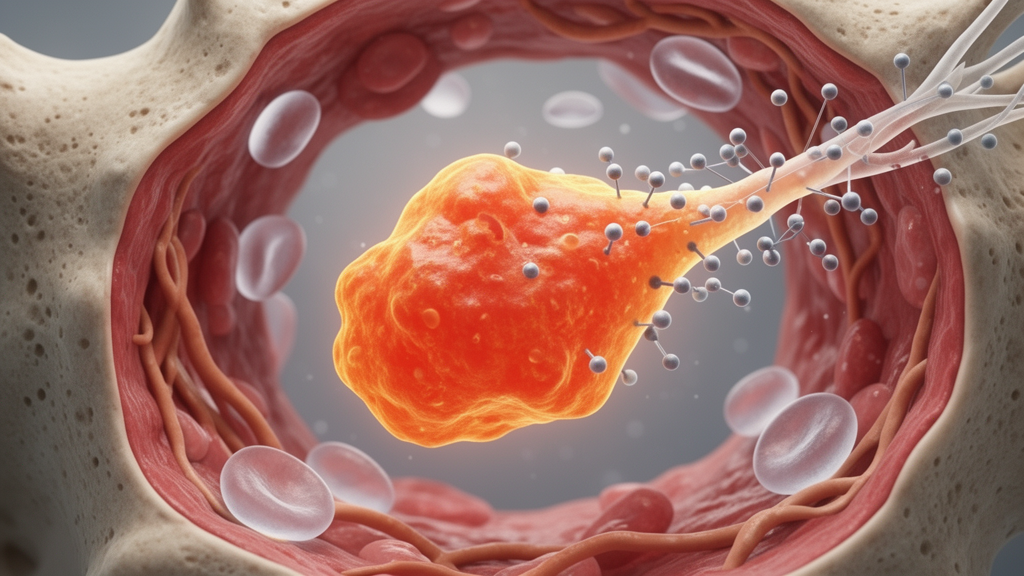
Interferon-alpha can benefit people with myeloproliferative neoplasms by changing the developmental state of mutant blood stem cells, according to a peer-reviewed study by Weill Cornell Medicine investigators published September 15 in Nature Genetics. Single-cell profiling of blood cells from patients with essential thrombocythemia showed that treatment accelerated the maturation of stem cells into short-lived, infection-fighting neutrophils. Mutant stem cells appeared more susceptible to this response than non-mutant stem cells in patients who responded to interferon-alpha, providing a cellular explanation for the treatment’s ability to reduce the pool of mutant blood cells.

Myeloproliferative neoplasms arise when DNA mutations in blood stem cells lead to excessive production of particular myeloid blood cells. Essential thrombocythemia, the form examined in this study, features overproduction of megakaryocytes, the cells that produce platelets, and is associated with elevated risks of heart attack and stroke. Blood stem cells reside in bone marrow and give rise to red blood cells, platelet-producing megakaryocytes and immune cells through two broad lineages: myeloid and lymphoid.

The investigators recorded gene-activity patterns, surface proteins and other characteristics of thousands of individual blood cells sampled from consenting patients. They compared cells collected before and during interferon-alpha treatment and distinguished mutant cells from admixed non-mutant cells to examine how the two populations responded differently. Interferon-alpha pushed blood stem cells to mature rapidly into neutrophils, white blood cells that fight infection and do not live for very long.

As mature neutrophils are continually produced and older cells are removed, this accelerated maturation can progressively deplete the stem-cell pool over time. The study’s single-cell analysis indicated that mutant stem cells were more susceptible to this process than non-mutant stem cells in patients who responded to treatment. Rather than simply eliminating mutant cells at the moment of measurement, interferon-alpha appeared to redirect their developmental state, moving them out of the stem-cell compartment and toward a short-lived mature identity.

Interferon-alpha produced a second major effect by inducing many blood stem cells to develop into lymphoid cells, which helps bring the lymphoid population into greater balance with the overproduced myeloid cells. These observations show that interferon-alpha changes several aspects of blood-cell development in essential thrombocythemia: it promotes rapid neutrophil maturation, shifts some stem cells toward the lymphoid lineage and suppresses inflammation-associated gene programs. The study was based on patient samples and detailed cellular analysis rather than a trial of a more selective treatment, so it does not show that reproducing any of these effects alone would be safe or effective in people.

The authors said the mechanistic findings could guide efforts to develop more focused and potent strategies for reducing mutant blood cells in myeloproliferative neoplasms and potentially other blood cancers, with possible relevance to precancerous conditions. The Nam Laboratory is also investigating whether aberrant triggering of the inflammatory interferon response contributes to some autoimmune conditions. Because interferon-alpha has broad activity and can cause significant side effects, identifying the cellular pathways behind its effects may provide a foundation for treatments that could reproduce selected benefits with greater precision.

Subject of Research: Single-cell mechanisms of interferon-alpha action in essential thrombocythemia

Article Title: How interferon changes cancerous blood stem cells

Article References: How interferon changes cancerous blood stem cells. Original publication (Bibliographic details unavailable.)

Image Credits: AI Generated

DOI: Not provided

Keywords: interferon-alpha, myeloproliferative neoplasms, essential thrombocythemia, blood stem cells, single-cell profiling, neutrophil maturation, lymphoid lineage, DNA mutations, Nature Genetics, interferon, changes, cancerous

Cite Scienmag News

Juliet Wilcox. (October 26, 2026). Single-cell study reveals how interferon redirects mutant blood stem cells. Scienmag. https://scienmag.com/single-cell-study-reveals-how-interferon-redirects-mutant-blood-stem-cells/

Juliet Wilcox. "Single-cell study reveals how interferon redirects mutant blood stem cells." Scienmag, 26 October 2026, https://scienmag.com/single-cell-study-reveals-how-interferon-redirects-mutant-blood-stem-cells/. Accessed 26 October 2026.

Juliet Wilcox. "Single-cell study reveals how interferon redirects mutant blood stem cells." Scienmag. October 26, 2026. https://scienmag.com/single-cell-study-reveals-how-interferon-redirects-mutant-blood-stem-cells/


Tags: blood cell lineage differentiationblood stem cell maturationblood stem cellscancerouscellular mechanisms of myeloproliferative disorder therapychangesDNA mutationsessential thrombocythemiaessential thrombocythemia cellular responsegene expression changes in blood stem cellsimpact of interferon on myeloid lineageinterferoninterferon response in mutant versus non-mutant cellsinterferon-alphalymphoid lineagemutant blood stem cell developmentmutation susceptibility in blood stem cellsmyeloproliferative neoplasmsmyeloproliferative neoplasms treatmentNature Geneticsneutrophil maturationsingle-cell blood cell profilingsingle-cell profiling
Share26Tweet16
Previous Post

Cardiovascular disease tops cancer as leading cause of death among Hispanic adults in U.S.

Next Post

One-third of medical students report moderate or low mental well-being

Related Posts

Cardiovascular disease tops cancer as leading cause of death among Hispanic adults in U.S.
Cancer

Cardiovascular disease tops cancer as leading cause of death among Hispanic adults in U.S.

October 26, 2026
Retrospective HCC surgery study compares indices for GLIM-defined malnutrition
Cancer

Retrospective HCC surgery study compares indices for GLIM-defined malnutrition

October 26, 2026
Early work associated with modestly higher cancer odds in older Ecuadorians
Cancer

Early work associated with modestly higher cancer odds in older Ecuadorians

October 26, 2026
PSMA-PET/CT detected 91% of clinically significant prostate cancers in biopsy study
Cancer

PSMA-PET/CT detected 91% of clinically significant prostate cancers in biopsy study

October 26, 2026
Smoking shows limited direct association with metastatic lung adenocarcinoma radiomics
Cancer

Smoking shows limited direct association with metastatic lung adenocarcinoma radiomics

October 26, 2026
Mouse study links tumor-derived vesicle origin to preferential tumor accumulation
Cancer

Mouse study links tumor-derived vesicle origin to preferential tumor accumulation

October 26, 2026
Next Post
One-third of medical students report moderate or low mental well-being

One-third of medical students report moderate or low mental well-being

  • Mothers who receive childcare support from maternal grandparents show more optimized

    Mothers who receive childcare support from maternal grandparents show more parental warmth, finds NTU Singapore study

    27656 shares
    Share 11059 Tweet 6912
  • University of Seville Breaks 120-Year-Old Mystery, Revises a Key Einstein Concept

    1061 shares
    Share 424 Tweet 265
  • Bee body mass, pathogens and local climate influence heat tolerance

    682 shares
    Share 273 Tweet 171
  • Researchers record first-ever images and data of a shark experiencing a boat strike

    546 shares
    Share 218 Tweet 137
  • Groundbreaking Clinical Trial Reveals Lubiprostone Enhances Kidney Function

    531 shares
    Share 212 Tweet 133
Science

Embark on a thrilling journey of discovery with Scienmag.com—your ultimate source for cutting-edge breakthroughs. Immerse yourself in a world where curiosity knows no limits and tomorrow’s possibilities become today’s reality!

RECENT NEWS

  • One-third of medical students report moderate or low mental well-being
  • Single-cell study reveals how interferon redirects mutant blood stem cells
  • Cardiovascular disease tops cancer as leading cause of death among Hispanic adults in U.S.
  • Systematic review maps PCR accuracy for newborn cytomegalovirus screening

Categories

  • Agriculture
  • Anthropology
  • Archaeology
  • Athmospheric
  • Biology
  • Biotechnology
  • Blog
  • Bussines
  • Cancer
  • Chemistry
  • Climate
  • Earth Science
  • Editorial Policy
  • Marine
  • Mathematics
  • Medicine
  • Pediatry
  • Policy
  • Psychology & Psychiatry
  • Science Education
  • Science News
  • Social Science
  • Space
  • Technology and Engineering

Subscribe to Blog via Email

Enter your email address to subscribe to this blog and receive notifications of new posts by email.

Join 5,151 other subscribers

© 2025 Scienmag - Science Magazine

Welcome Back!

Login to your account below

Forgotten Password?

Retrieve your password

Please enter your username or email address to reset your password.

Log In
No Result
View All Result
  • HOME
  • SCIENCE NEWS
  • CONTACT US

© 2025 Scienmag - Science Magazine

Discover more from Science

Subscribe now to keep reading and get access to the full archive.

Continue reading