

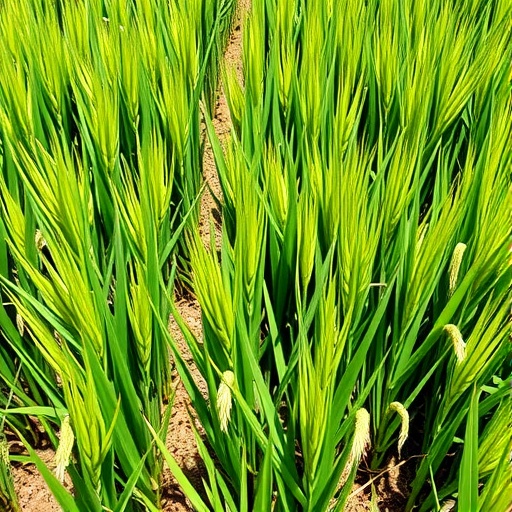
In recent years, the global agricultural landscape has faced numerous challenges, and iron toxicity in rice cultivation has emerged as a significant concern. This phenomenon has particularly impacted farmers in Sri Lanka, where rice is a staple food. The research conducted by Dilhani et al. brings to light critical morphological and biochemical variations observed in selected rice varieties under conditions of iron toxicity. With an increasing focus on food security, understanding the implications of iron toxicity is imperative for agricultural sustainability and productivity.
Iron toxicity occurs when the concentration of iron in soil exceeds optimal levels, rendering it detrimental to plant health. In rice, this toxicity can lead to stunted growth, impaired physiological functions, and reduced crop yield. The study by Dilhani and her colleagues highlights the urgency of addressing this issue, especially in regions that rely heavily on rice as a primary source of nutrition. The researchers meticulously examined several rice varieties cultivated in Sri Lanka, measuring their responses to elevated iron levels to draw conclusions about their adaptability and resilience.
The methodology employed in this research was robust, involving both field and laboratory assessments. Field experiments were carefully designed to replicate natural conditions, while controlled laboratory tests provided insights into the genetic and physiological adaptations of the rice varieties under scrutiny. By integrating these approaches, the researchers were able to gather comprehensive data on how iron toxicity affects the plants at different growth stages. This multifaceted strategy ensures that the findings are not only scientifically valid but also relevant to real-world agricultural practices.
Among the key findings of this study were distinct morphological changes observed in the rice varieties exposed to high iron levels. Certain varieties exhibited pronounced leaf chlorosis, characterized by yellowing due to chlorophyll degradation. This visual symptom reflects underlying biochemical changes that hinder photosynthesis, crucial for plant growth and grain production. Furthermore, the study identified variations in root morphology, with some varieties developing a more robust root system while others showed signs of decay under iron stress. Such differences in root architecture can have significant implications for nutrient uptake and overall plant health.
In addition to morphological variations, the biochemical responses of rice plants to iron toxicity were thoroughly analyzed. Dilhani et al. measured the levels of antioxidants and other stress-related compounds, revealing that some rice varieties could mount a stronger defense against iron-induced oxidative stress. The production of these compounds plays a vital role in mitigating damage caused by excess iron, allowing plants to maintain metabolic functions and balance hormonal signals. The ability to synthesize these protective metabolites could delineate resilient varieties from those more susceptible to iron toxicity.
The implications of these findings extend beyond mere plant physiology; they also resonate with the socio-economic realities of rice farmers in Sri Lanka. By identifying rice varieties that demonstrate greater resilience to iron toxicity, the study serves as a crucial resource for agronomists and farmers alike. This information can inform planting decisions, potentially leading to improved yields and greater food security in the face of environmental challenges. As climate change intensifies, adaptive agricultural practices will be essential to sustain rice production in vulnerable regions.
Moreover, the study emphasizes the need for continued research in this area. While the findings shed light on specific rice varieties, there remains a wealth of genetic diversity yet to be explored. Future research could involve breeding programs aimed at enhancing tolerance to iron toxicity in less resilient varieties, thus expanding the agricultural toolkit available to farmers. Such initiatives not only benefit food production but also contribute to the resilience of farming communities.
The researchers also advocated for the incorporation of soil management practices that can mitigate iron toxicity. Strategies such as improving drainage, managing soil pH, and utilizing bio-based amendments could reduce the accessibility of iron to crops. This integrated approach to soil health and plant welfare underscores the interconnectedness of agricultural practices and ecosystem management, paving the way for sustainable rice farming in Sri Lanka and beyond.
As the world grapples with the implications of climate change on agriculture, findings from studies like this are invaluable. They provide essential data that can influence policy-making, funding allocations, and agricultural practices at both national and international levels. By prioritizing research into issues like iron toxicity, stakeholders can better equip farmers to adapt to shifting environmental conditions and ensure ongoing food security.
In conclusion, the research conducted by Dilhani et al. serves as a timely reminder of the complexities involved in rice cultivation, particularly in regions susceptible to soil nutrient imbalances. The detailed examination of iron toxicity-related morphological and biochemical variations offers a pathway for enhanced agricultural resilience. As we continue to navigate the challenges posed by global food demands and environmental pressures, the insights gleaned from this research illuminate critical aspects of sustainable agriculture.
Overall, the implications of iron toxicity in rice cultivation are profound and far-reaching. Addressing these challenges requires a concerted effort from researchers, policymakers, and farmers alike. This study adds to the growing body of work aimed at understanding and mitigating the impacts of soil nutrient imbalances, contributing to a more food-secure future for the generations to come.
Understanding the intricacies of rice varieties and their responses to environmental stresses will undoubtedly play a pivotal role in shaping the next phase of agricultural innovation. This research is not only relevant for Sri Lanka but also offers insights applicable to rice farming practices globally, providing a framework for future agricultural advancements in the face of adversities.
As the research community continues to explore solutions to agricultural challenges like iron toxicity, the focus must also remain on promoting sustainable practices that protect both crops and the environment. By investing in scientific exploration and translating findings into practical solutions, we can foster agricultural resilience that endures beyond immediate challenges.
Subject of Research: Impact of iron toxicity on morphological and biochemical variations in rice varieties
Article Title: Iron toxicity-related morphological and biochemical variations of selected rice (Oryza sativa L.) varieties in Sri Lanka
Article References: Dilhani, N.T., Nawarathna, K., Wickramasinghe, V. et al. Iron toxicity-related morphological and biochemical variations of selected rice (Oryza sativa L.) varieties in Sri Lanka. Discover Agriculture 4, 5 (2026). https://doi.org/10.1007/s44279-026-00481-y
Image Credits: AI Generated
DOI: https://doi.org/10.1007/s44279-026-00481-y
Keywords: Iron toxicity, Oryza sativa, morphological variations, biochemical responses, agricultural sustainability.


