


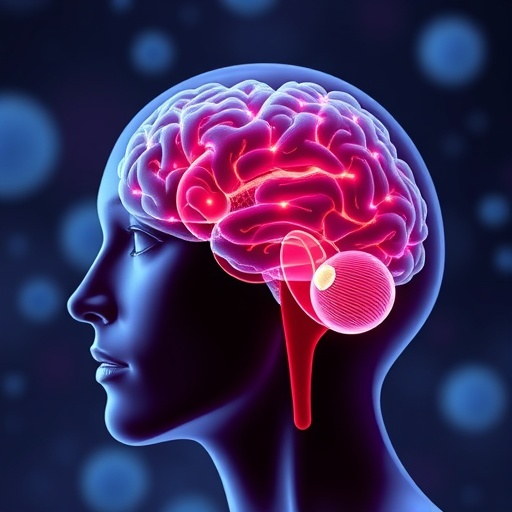
Researchers at the Yong Loo Lin School of Medicine, National University of Singapore (NUS Medicine), have made a significant breakthrough in the treatment of Central Nervous System Tuberculosis (CNS-TB), a devastating form of tuberculosis that affects the brain and spinal cord. Their recent preclinical study demonstrates that doxycycline, a widely available and inexpensive antibiotic, can substantially enhance survival rates and neurological outcomes in CNS-TB by targeting molecular mechanisms that drive disease severity.
CNS-TB, although less common than pulmonary tuberculosis, is far more lethal and debilitating due to its involvement with critical neural tissue. Traditionally, treatment has relied on antitubercular drugs aimed at eradicating Mycobacterium tuberculosis bacteria, yet patients consistently experience high mortality and often develop lasting neurological impairments. This new research identifies a pathophysiological basis underlying these clinical challenges, shifting the focus towards mitigating the host immune response that damages the central nervous system.
The team, led by Associate Professor Catherine Ong Wei Min from the Infectious Diseases Translational Research Programme at NUS Medicine, undertook a rigorous investigation into the prognostic factors influencing CNS-TB outcomes. Cerebrospinal fluid samples derived from 72 pediatric patients diagnosed with tuberculous meningitis were meticulously analyzed alongside controls. This analysis uncovered markedly elevated levels of matrix metalloproteinases (MMPs) — enzymes known for degrading extracellular matrix components — and neutrophil extracellular traps (NETs), which are networks of DNA and proteins expelled by immune cells in response to infection. The concurrent presence of these molecules appears to exacerbate tissue destruction and inflammatory damage within the brain.
Recognition of these harmful mediators led researchers to hypothesize that dampening their activity could alleviate CNS-TB severity. To evaluate this, the team innovatively developed laboratory models of CNS-TB that replicate the neuropathological and clinical features observed in human patients. These models were infected with Mycobacterium tuberculosis and facilitated investigation of molecular and cellular changes induced by the infection. Additionally, they employed advanced RNA sequencing techniques adapted for small and archived tissue samples to map gene expression alterations associated with CNS-TB progression.
Experimental treatment of these models with doxycycline, known primarily as a broad-spectrum antibiotic, yielded remarkable results. When administered alongside standard TB therapies, doxycycline markedly suppressed the production and activity of detrimental MMPs and NETs. This suppression translated into reduced neuroinflammation, preservation of brain tissue integrity, and improved vascular stability. A key consequence of enhanced vascular integrity was increased penetration of antitubercular drugs into the central nervous system, thereby bolstering the overall efficacy of treatment.
These findings are striking because they reveal doxycycline’s capacity to modulate the immune system’s damaging overreaction rather than directly targeting the tuberculosis bacteria. Such immunomodulatory capabilities of doxycycline position it as an exceptional candidate for adjunctive therapy in CNS-TB, potentially transforming the current treatment paradigm. The drug’s widespread availability, well-established safety profile, and cost-effectiveness further amplify its translational potential in global health settings burdened by tuberculosis.
Associate Professor Ong expressed optimism that these preclinical results could pave the way for rapid clinical application. “Our study suggests that doxycycline, when paired with existing TB drugs, can curtail the excessive immune responses that cause brain damage, improving survival rates,” she commented. “If validated in Phase II clinical trials, doxycycline could be widely integrated into national TB programs much faster than newly developed drugs, which often face protracted approval timelines.”
The study’s multidisciplinary authorship reflects the complexity of CNS-TB research, involving collaborations with experts from various fields and institutions. Contributors include Assistant Professor Joshua Tay from the Department of Otolaryngology at NUS Medicine, Associate Professor Andres F. Vallejo of the University of Southampton, UK, and Professor Tchoyoson Choie Cheio Lim from the Department of Neuroradiology at Singapore’s National Neuroscience Institute. This collaboration underscores the necessity of uniting infectious disease specialists, neurologists, and molecular biologists to tackle CNS-TB comprehensively.
Tuberculosis remains a dire global health threat, with over 10.8 million active cases reported worldwide in 2023 alone. Southeast Asia continues to grapple with endemic TB transmission, with Singapore registering approximately 1,100 new active cases in 2024. Notably, CNS-TB accounts for a small percentage, roughly 1 to 2 percent of all TB cases globally. However, its disproportionate mortality and morbidity make it a critical focus of medical research.
The identification of MMPs and NETs as key drivers of CNS-TB pathology opens new avenues beyond traditional antimicrobial treatment. These findings hint at a broader principle applicable to other inflammatory brain infections, where excessive immune activation contributes to neurological damage. Repurposing doxycycline as an immunomodulatory agent could therefore represent a vital step forward in managing multiple neuroinflammatory conditions.
Based on these promising results, a Phase II clinical trial has been initiated, funded by Singapore’s National Medical Research Council (NMRC). The multicenter study, spanning hospitals in Singapore, Malaysia, and Indonesia, investigates whether adding doxycycline to standard TB regimens can safely boost survival and reduce brain injury in patients with CNS-TB. The trial’s outcomes are eagerly awaited, as confirmation would provide robust clinical evidence supporting the wider adoption of this therapeutic strategy.
In conclusion, the work led by Associate Professor Ong and her team represents a paradigm shift in CNS-TB therapy, emphasizing the control of immune-mediated damage as a complement to microbial eradication. Should clinical trials corroborate these findings, doxycycline could emerge as a low-cost, scalable adjunct treatment capable of saving lives and preserving neurologic function in vulnerable populations worldwide. The potential ripple effects for managing other inflammatory brain disorders further amplify the impact of this groundbreaking research.
Cite Scienmag News
Ophelia Keating. (November 12, 2025). Repurposed Antibiotic Demonstrates Potential in Treating Central Nervous System Tuberculosis, Finds NUS Medicine Study. Scienmag. https://scienmag.com/repurposed-antibiotic-demonstrates-potential-in-treating-central-nervous-system-tuberculosis-finds-nus-medicine-study/
Ophelia Keating. "Repurposed Antibiotic Demonstrates Potential in Treating Central Nervous System Tuberculosis, Finds NUS Medicine Study." Scienmag, 12 November 2025, https://scienmag.com/repurposed-antibiotic-demonstrates-potential-in-treating-central-nervous-system-tuberculosis-finds-nus-medicine-study/. Accessed 4 September 2026.
Ophelia Keating. "Repurposed Antibiotic Demonstrates Potential in Treating Central Nervous System Tuberculosis, Finds NUS Medicine Study." Scienmag. November 12, 2025. https://scienmag.com/repurposed-antibiotic-demonstrates-potential-in-treating-central-nervous-system-tuberculosis-finds-nus-medicine-study/


