


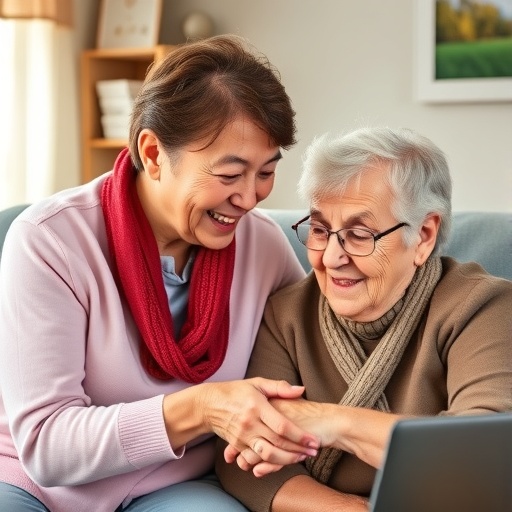
In an innovative study published in BMC Geriatrics, researchers led by Ebrahimi and colleagues explored the nuances of a remote, person-centred intervention designed specifically for older adults grappling with frailty. Frailty is an increasingly prevalent condition among the aging population, characterized by reduced physiological reserve and increased vulnerability to adverse health outcomes. This study sought to understand how embracing a remote intervention can potentially empower these individuals, providing them with the necessary tools to manage their health proactively.
The increasing incidence of frailty among older adults has become a public health concern globally. With aging populations, frailty often leads to declines in physical function, increased dependency, and a higher risk of morbidity and mortality. Conventional interventions typically necessitate in-person visits, which can be challenging for older adults due to mobility limitations, transportation issues, and other barriers. The shift towards remote healthcare solutions reflects a growing recognition of the need for flexible and accessible support systems that cater to the unique needs of this demographic.
The study utilized a qualitative research approach, which allowed participants to share their experiences and perspectives in depth. Through interviews and discussions, the researchers were able to gather rich narratives that offered insights into how remote interventions are perceived by older individuals living with frailty. This method is particularly beneficial for understanding complex phenomena such as frailty, where personal experiences can illuminate the interplay between individual health, technology use, and support systems.
Participants reported various dimensions of their experiences with the remote intervention. Many expressed feelings of empowerment as they engaged in self-management practices facilitated by technology. This empowerment is crucial, as it enhances the older adults’ confidence in handling their health conditions, leading to improved adherence to medical advice and healthier lifestyle choices. Moreover, the qualitative findings revealed that participants appreciated the personalized nature of the intervention, which tailored recommendations to their individual needs and circumstances.
An interesting observation was the role of technology in bridging the gap between older adults and healthcare providers. Despite some initial apprehensions regarding using technology, many participants found it to be a valuable tool for maintaining communication with their healthcare teams. The remote intervention fostered a sense of connection, enabling participants to receive timely support and guidance without the constraints of traditional healthcare settings. This aspect of the study highlights the importance of technological literacy and support in ensuring that older adults can effectively engage with digital health solutions.
The emotional impacts of the intervention cannot be overlooked. Participants reported feelings of isolation and loneliness prevalent in frailty, particularly during the pandemic. The remote intervention not only addressed physical health needs but also provided a platform for social interaction. Through virtual meetings and check-ins, participants felt less disconnected from their support networks and received encouragement from both peers and healthcare providers. This multifaceted approach plays a crucial role in enhancing the overall well-being of older adults living with frailty.
As the research unfolded, it became evident that barriers to engagement with remote interventions still existed. Some participants expressed hesitation due to technological challenges, including unfamiliarity with devices and fear of making mistakes during online interactions. These challenges underline the need for comprehensive training and ongoing support for older adults transitioning to remote care models. Educating both patients and caregivers about these technologies can not only alleviate fears but also promote a more widespread acceptance of virtual healthcare solutions.
Healthcare professionals play a pivotal role in facilitating the successful implementation of remote interventions. The study found that the support of healthcare providers was essential in instilling trust and confidence among older adults. When providers demonstrated patience, encouraged questions, and displayed empathy, participants felt more at ease in utilizing the technology. This human element is vital in fostering positive patient experiences and outcomes, emphasizing the importance of effective communication in remote healthcare delivery.
A significant takeaway from the study is the importance of continuous feedback loops between participants and researchers. The insights gathered from older adults about their experiences can guide the iterative design of remote interventions, ensuring that they remain relevant and effective. Future research should prioritize participant feedback to refine and optimize these interventions, tailoring them to maximize their impact on health outcomes for older adults living with frailty.
Moreover, one cannot overlook the implications of this study for the broader healthcare system. As the world embraces digital health solutions more than ever, understanding how these interventions can be effectively integrated into existing care models is crucial. Policymakers and healthcare organizations must recognize the need for structures that support remote care, ensuring that all individuals, regardless of age or technical ability, have access to these valuable resources.
The journey towards enhancing the health and well-being of older adults living with frailty is multifaceted, requiring a combination of innovative technology, healthcare provider support, and active involvement from the patients themselves. This qualitative study serves not only as an exploration of remote intervention experiences but also as a guide for future developments in geriatric care. As the healthcare landscape evolves, it is crucial to prioritize person-centred approaches that empower older adults and address the challenges they face in a rapidly changing world.
In conclusion, Ebrahimi and colleagues have opened important dialogues surrounding remote healthcare interventions for older adults with frailty. By highlighting the diverse experiences and challenges faced by this population, the study underscores the need for tailored, compassionate, and engaging healthcare solutions. As we move forward, embracing these insights will be pivotal in shaping the future of geriatric care, ensuring that older adults not only survive but thrive in their later years.
Cite Scienmag News
Beatrice Stafford. (October 15, 2025). Remote, Person-Centered Care for Frail Older Adults. Scienmag. https://scienmag.com/remote-person-centered-care-for-frail-older-adults/
Beatrice Stafford. "Remote, Person-Centered Care for Frail Older Adults." Scienmag, 15 October 2025, https://scienmag.com/remote-person-centered-care-for-frail-older-adults/. Accessed 4 September 2026.
Beatrice Stafford. "Remote, Person-Centered Care for Frail Older Adults." Scienmag. October 15, 2025. https://scienmag.com/remote-person-centered-care-for-frail-older-adults/


