


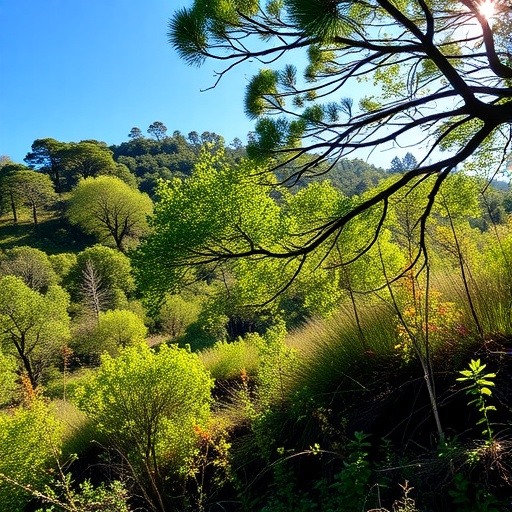
In an unprecedented scientific undertaking, researchers across the United States have consolidated years of ecological data into a comprehensive report titled The Nature Record. This monumental document, spanning over 860 pages and divided into 13 in-depth chapters, delivers a critical evaluation of the status of the nation’s natural landscapes, aquatic systems, wildlife populations, and biodiversity. The exhaustive report not only chronicles the deteriorating health of the environment attributable to human activity but also investigates the reciprocal impact of these changes on human health, culture, the economy, and national security.
The Nature Record emerges at a time when the population of the U.S. has surged past 340 million, placing intensifying demands on natural resources. The authors aim to perform what can be described as a “wellness check” on nature itself, providing an aggregate assessment that bridges ecological science with socio-political and economic considerations. This integrative approach underlines the complex interplay between humans and the ecosystems they both depend on and disrupt.
One of the most striking revelations in the report is the extent of land utilized for agriculture—approximately half of all U.S. territory. This vast agricultural footprint signifies a substantial influence on ecosystems nationwide, emphasizing the critical role that farmers and ranchers must play in any future conservation efforts. Their active participation will be indispensable in safeguarding biodiversity and promoting sustainable land use practices.
Hydrological systems receive particular scrutiny, with millions of miles of rivers crisscrossing the country. The report highlights the fragmentation caused by tens of thousands of large dams and an estimated two million small dams and culverts. These structures, while integral to human infrastructure, have profoundly altered riverine habitats and fish migration patterns. The report underscores considerable ecological damage but offers hope through documented examples of successful dam removals where rivers demonstrated rapid recovery and fish populations returned to once-inaccessible spawning grounds.
In presenting a nuanced depiction of environmental change, The Nature Record acknowledges a long history of resource extraction and habitat destruction that pose formidable challenges to restoration. Yet, it simultaneously illuminates how nature’s resilience, combined with proactive Indigenous stewardship and scientific restoration efforts, can lead to positive change. This dual narrative lays the groundwork for potential pathways toward ecological recovery and sustainability.
The genesis of this project traces back to 2022 when an executive mandate called for a national assessment of natural resources. Under the leadership of Phil Levin, interim executive director of the University of Washington’s EarthLab, a coalition of over 170 scientists and experts was convened. Their collaboration aimed to distill vast swaths of ecological data into an actionable format. However, mere weeks before their initial draft was due in early 2025, the federal government abruptly terminated support for the initiative, threatening to stall progress indefinitely.
Defying governmental cessation, the scientific team independently pressed on, publishing a draft of The Nature Record in March 2025. This voluntary transparency invites public engagement, feedback, and scholarly critique, fostering a collaborative approach to refining the assessment. Levin emphasizes that the report’s utility hinges on robust discourse and communal input to shape its future iterations.
The report does not merely focus on ecological metrics but also carefully examines the socio-environmental dimensions of nature’s current state. It highlights stark inequalities in access to natural resources and ecosystem services across different communities. Access to clean water, green spaces, and other environmental benefits is deeply influenced by social, historical, and political factors, disproportionately disadvantaging marginalized populations. This nexus of environmental justice and ecological health is a pivotal theme throughout the document.
The Nature Record reveals nature’s profound influence on human quality of life, extending beyond traditionally understood environmental benefits to encompass cultural identity, mental health, and community resilience. The report advocates for a more inclusive understanding of human-nature relationships, urging people from diverse backgrounds to see their experiences reflected in the data and analysis.
Scientifically, the report delves into the complexities of ecosystem dynamics, biodiversity loss, and the effects of anthropogenic pressures at multiple scales. It draws on macroecological principles to contextualize ecological diversity and contributes novel insights into how ecosystem degradation threatens not only species survival but also critical ecosystem functions such as water filtration, carbon sequestration, and soil fertility.
Several chapters tackle aquatic ecosystems, stressing the fragile balance maintained within freshwater and coastal habitats. The fragmentation and pollution of aquatic environments have cascading effects on biodiversity and ecosystem services, which in turn impact fisheries, recreation, and livelihoods dependent on healthy waters. The report documents several restoration case studies demonstrating that targeted ecological interventions can yield measurable improvements in water quality and habitat integrity.
Beyond ecology, The Nature Record analyzes the policy landscape surrounding environmental protection. It presents a detailed overview of environmental policies, regulatory frameworks, and government initiatives, emphasizing the importance of science-informed policy-making. The report also critiques gaps and inconsistencies in current regulations, suggesting pathways for integrative governance that include Indigenous knowledge systems and community participation.
The dissemination of The Nature Record marks a pivotal moment in environmental science communication. By making their findings accessible before finalizing the document, the authors seek to ignite a national conversation on the future of natural resource management. This participatory approach underscores a paradigm shift in how scientific assessments can directly contribute to public empowerment and policy innovation.
In conclusion, The Nature Record portrays a landscape at a crossroads. It neither indulges in pessimism nor unwarranted optimism but presents a candid portrayal of the challenges and opportunities confronting U.S. ecosystems today. By aligning scientific knowledge, community engagement, and policy reform, the report advocates for a multidimensional effort to restore and sustain nature—a foundation upon which human civilization itself depends.
News Publication Date:
March 2025 (Draft publication)
Web References:
None specified.
References:
None specified.
Cite Scienmag News
Margaret Porter. (March 27, 2026). Public Invited to Comment on New US Nature Assessment. Scienmag. https://scienmag.com/public-invited-to-comment-on-new-us-nature-assessment/
Margaret Porter. "Public Invited to Comment on New US Nature Assessment." Scienmag, 27 March 2026, https://scienmag.com/public-invited-to-comment-on-new-us-nature-assessment/. Accessed 9 September 2026.
Margaret Porter. "Public Invited to Comment on New US Nature Assessment." Scienmag. March 27, 2026. https://scienmag.com/public-invited-to-comment-on-new-us-nature-assessment/


