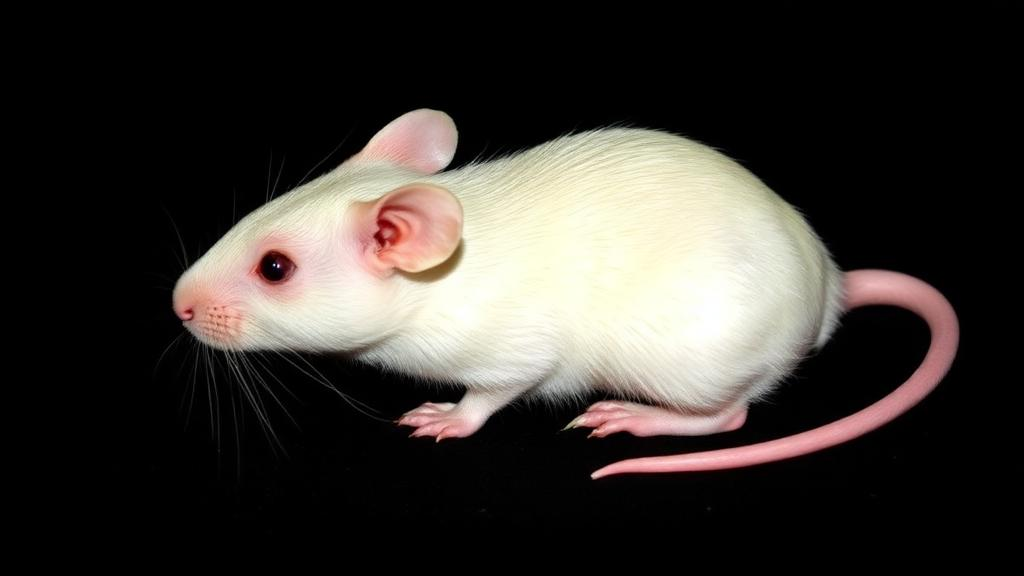
Pterostilbene, a natural compound found in blueberries and grapes, showed protective effects in a rat model of chemically induced ovarian insufficiency, according to a preclinical study. Researchers at Mustansiriyah University in Baghdad found that female rats with ovarian injury induced by 4-vinylcyclohexene diepoxide (VCD) showed reduced serum NF-κB levels, reduced ovarian CASP3 immunostaining, and reduced 8-OHdG immunostaining after treatment with pterostilbene compared with untreated injured rats. The compound also produced the largest increase in ovarian SIRT1 and FOXO3a gene expression of any treatment tested.
Primary ovarian insufficiency, or POI, is a condition in which ovarian function declines before the age of 40. It typically presents as menstrual irregularities, elevated follicle-stimulating hormone levels above 25 IU/L, and variable reductions in estrogen. The most common mechanism behind the condition is accelerated follicular atresia, the loss of ovarian follicles, which can be triggered by genetic disorders, autoimmune diseases, or gonadotoxic drugs. Because current treatment relies heavily on hormone replacement therapy, which carries concerns about long-term adverse effects, researchers have been searching for safer alternatives that can protect the ovary at the molecular level.
The research team, led by investigators at the College of Pharmacy at Mustansiriyah University, used VCD to induce POI in female Sprague-Dawley rats. VCD is a toxic metabolite of 4-vinylcyclohexene that selectively destroys primordial and primary follicles, the earliest stages of follicle development, leading to permanent follicular loss. This selective destruction mirrors the progressive follicle decline seen in idiopathic or age-associated POI, making VCD a widely used animal model for the condition. The chemical triggers a cascade of damage: it increases production of reactive oxygen species, causes mitochondrial dysfunction and oxidative DNA damage, activates NF-κB-mediated inflammatory signaling, and suppresses the SIRT1 and FOXO3a regulatory axis, ultimately driving granulosa cell apoptosis through caspase-dependent pathways.
Thirty rats were randomly divided into five groups of six animals each. A control group received only the vehicle, sesame oil. A VCD group received the chemical at 160 mg/kg by intraperitoneal injection for 10 consecutive days. Three additional groups received VCD followed by 30 days of oral treatment with either 17β-estradiol at 0.028 mg/kg, pterostilbene at 50 mg/kg, or a combination of both compounds. The pterostilbene dose was selected based on a preliminary pilot study and prior published research. All procedures were approved by the Scientific and Ethical Committee of the College of Pharmacy at Mustansiriyah University.
The researchers measured serum levels of total antioxidant capacity (T-AOC) and the inflammatory marker NF-κB using enzyme-linked immunosorbent assays. They assessed ovarian gene expression of SIRT1 and FOXO3a by reverse transcription quantitative polymerase chain reaction, normalized to the reference gene GAPDH. Immunohistochemical staining for cleaved caspase-3 (CASP3), a marker of apoptosis, and 8-hydroxy-2′-deoxyguanosine (8-OHdG), a marker of oxidative DNA damage, was used to evaluate cellular injury in ovarian tissue sections. Two blinded observers independently scored the immunohistochemical slides.
Treatment with pterostilbene significantly reduced serum NF-κB levels compared with the VCD group, with the treated group measuring 688.11 ± 77.45 pg/mL versus 1292.13 ± 279.68 pg/mL in the injured untreated group. The overall difference among groups was statistically significant at P = 0.0496. Serum T-AOC, a measure of overall antioxidant capacity, showed no statistically significant differences among groups (P = 0.326), though the pterostilbene-treated group showed a numerical increase from 7.06 ± 1.36 U/mL in the VCD group to 11.49 ± 4.49 U/mL, approaching the control value of 14.15 ± 4.47 U/mL. The authors characterized this as a supportive trend rather than a confirmed improvement.
The most striking results came from gene expression analysis. Pterostilbene produced the highest ovarian SIRT1 expression of any group, with a fold change of 11.042 ± 4.09 compared with 1.000 in controls, a difference that was highly significant (P = 0.0001). FOXO3a expression followed a similar pattern, reaching 8.829 ± 2.42-fold in the pterostilbene group versus 1.000 in controls. By comparison, 17β-estradiol increased SIRT1 to 2.538 ± 0.68-fold and FOXO3a to 3.143 ± 0.81-fold, both lower than the pterostilbene effect. The VCD group itself showed slight increases in both genes, which the authors interpret as a compensatory cellular response to oxidative and inflammatory injury rather than a sign of protection. Dysregulation of this axis has been implicated in ovarian aging and follicular loss.
Immunohistochemistry confirmed the protective effect at the tissue level. The VCD group showed intense CASP3 staining with 83.93 ± 3.67 percent positive cells and an immunoreactive score of 10.33 ± 1.08, while the pterostilbene group dropped to 1.75 ± 0.78 percent positive cells with a score of 0.67 ± 0.33, essentially matching the control values. Similar results were seen for 8-OHdG, where the VCD group reached 77.03 ± 4.03 percent positive cells and the pterostilbene group fell to 3.00 ± 1.09 percent, both highly significant differences (P = 0.0001).
The researchers also tested whether combining pterostilbene with 17β-estradiol would produce additive or synergistic benefits using the Bliss independence equation. For most measured parameters, including NF-κB reduction and both CASP3 and 8-OHdG scores, the combination showed synergistic or near-additive effects, with combination index values below or near 1. However, for SIRT1 and FOXO3a gene expression, the combination index values were 11.688 and 11.942 respectively, well above 1, indicating antagonism. The combination group’s gene expression, at 3.591 ± 0.81-fold for SIRT1 and 3.570 ± 0.67-fold for FOXO3a, was substantially lower than what would be expected from the individual effects of each drug. This antagonism raises concerns about combining pterostilbene with hormone replacement therapy in clinical settings.
The study has several important limitations. The sample size of six rats per group was modest, and the T-AOC results were underpowered to detect significant differences. The researchers measured gene expression but not protein levels or enzymatic activity, limiting mechanistic conclusions. They did not assess functional ovarian reserve through follicle counts or estrous cycle monitoring, nor did they evaluate fertility outcomes. The study also used a single time point at day 40, so dynamic changes over time may have been missed. The authors emphasize that the VCD model does not fully recapitulate the heterogeneous etiologies of human POI, despite closely mimicking several pathological features of the disease. They also note that establishing a causal role for the SIRT1/FOXO3a pathway would require future studies using pathway inhibitors such as EX-527 or gene knockdown models. However, the authors stress that pterostilbene should be considered a promising candidate for further exploration rather than an established therapy for primary ovarian insufficiency, and that optimal dosing and combination strategies remain to be determined.
Subject of Research: Protective effects of pterostilbene in a rat model of chemically induced primary ovarian insufficiency
Article Title: Pterostilbene attenuates VCD-induced ovarian damage through modulation of oxidative stress, inflammation, apoptosis, and SIRT1/FOXO3a gene expression
Article References: Al-Hussein, K. F. A., Jasim, S. Y., & Mahmood, A. S. (2026). Pterostilbene attenuates VCD-induced ovarian damage through modulation of oxidative stress, inflammation, apoptosis, and SIRT1/FOXO3a gene expression. Pharmacia, 73, Article e209499. https://doi.org/10.3897/pharmacia.73.e209499
Image Credits: AI Generated
DOI: 10.3897/pharmacia.73.e209499
Keywords: pterostilbene, primary ovarian insufficiency, VCD, oxidative stress, NF-κB, SIRT1, FOXO3a, apoptosis, 8-OHdG, preclinical study, rat model, hormone replacement therapy
Cite Scienmag News
Juliet Wilcox. (October 28, 2026). Pterostilbene Protects Rat Ovaries from Chemical Damage in Preclinical Study. Scienmag. https://scienmag.com/pterostilbene-protects-rat-ovaries-from-chemical-damage-in-preclinical-study/
Juliet Wilcox. "Pterostilbene Protects Rat Ovaries from Chemical Damage in Preclinical Study." Scienmag, 28 October 2026, https://scienmag.com/pterostilbene-protects-rat-ovaries-from-chemical-damage-in-preclinical-study/. Accessed 29 October 2026.
Juliet Wilcox. "Pterostilbene Protects Rat Ovaries from Chemical Damage in Preclinical Study." Scienmag. October 28, 2026. https://scienmag.com/pterostilbene-protects-rat-ovaries-from-chemical-damage-in-preclinical-study/