


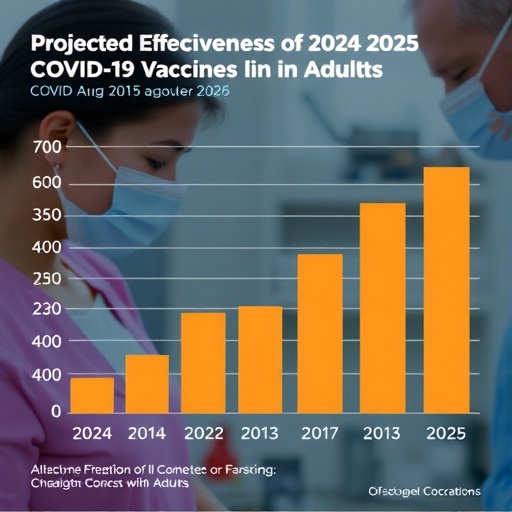
In a groundbreaking study recently published in JAMA Internal Medicine, researchers conducted an extensive test-negative case-control analysis exploring the efficacy of the 2024-2025 COVID-19 vaccination campaign. This study emerges amid ongoing efforts to optimize immunization strategies against the evolving SARS-CoV-2 virus, especially within vulnerable populations. The results underscore a pivotal revelation: COVID-19 vaccinations continue to drastically reduce the likelihood of medically attended COVID-19-associated complications not only among immunocompetent adults but critically among those with immunocompromising conditions as well.
This pivotal research utilized robust epidemiological methods to assess vaccine effectiveness across diverse adult populations, employing a case-control design that minimizes bias typically associated with observational studies. Unlike cohort studies, the test-negative design enhances reliability by comparing vaccinated versus unvaccinated individuals based on systematically confirmed COVID-19 diagnostic testing. This methodological rigor underpins the credibility of the observed strong protective association, even amid the nuanced immune landscapes presented by immunocompromised persons.
The investigators meticulously evaluated multiple COVID-19 vaccine formulations administered during the 2024-2025 vaccination season, including bivalent mRNA vaccines tailored against newer variants of SARS-CoV-2. These findings convey not merely a snapshot but a dynamic view of vaccine performance amidst viral evolution, highlighting sustained immunogenicity and clinical efficacy. The vaccines were associated with significantly reduced odds of hospitalizations, emergency department visits, and other forms of medically attended COVID-19 outcomes, indicating crucial real-world effectiveness.
Significantly, the immune response details gleaned from immunocompromised individuals—who often face diminished vaccine responsiveness due to underlying conditions or treatments—reveal nuanced protective mechanisms. These subjects still derived meaningful benefit from vaccination, illuminating the importance of tailored booster strategies and ongoing vigilance in clinical management. This facet of the study reaffirms health authorities’ recommendations advocating for prioritized vaccination schedules in immunosuppressed cohorts.
At the molecular level, vaccine-induced neutralizing antibodies and T-cell mediated immunity were at the forefront of the protective effect. The adaptation of mRNA vaccine platforms to encode spike proteins corresponding to circulating variants enhanced immune recognition and viral neutralization, showcasing state-of-the-art vaccine technology. This immunological insight aligns with parallel laboratory findings, providing a comprehensive understanding of correlates of protection in the vaccinated populace.
This study’s large sample size and multicenter collaboration leverage vast clinical data, enhancing statistical power and circumstantial generalizability. Such scale is vital to parsing subtle differences in vaccine effectiveness among specific subgroups, including age stratifications, comorbid conditions, and varying immunosuppressive therapies. The wide-ranging demographic inclusion ensures that policy implications span the full spectrum of adult patients vulnerable to severe COVID-19.
Moreover, the study’s timeframe strategically captures a critical phase of the ongoing pandemic. With emergent SARS-CoV-2 variants continually challenging public health efforts, timely data on vaccination impact informs adaptive immunization policies. These insights enable governments and health agencies to optimize booster campaigns, resource allocation, and public messaging, fostering preparedness for future viral surges or pandemics.
Healthcare providers stand to gain actionable intelligence from these findings, reinforcing vaccination as a cornerstone of COVID-19 mitigation. Clinicians can leverage this evidence to encourage vaccination adherence, tailor individualized care plans for immunocompromised patients, and anticipate clinical trajectories more accurately. The study’s conclusions empower frontline medical professionals and public health practitioners with up-to-date, evidence-based guidance.
Beyond immediate clinical implications, this research contributes substantially to the broader scientific understanding of vaccine dynamics amid a persisting viral pandemic. It reinforces the dynamic interplay between host immunity, viral mutation, and vaccine design, serving as a template for tackling other viral pathogens through precision vaccine development. The findings propel forward the field of vaccinology, inspiring innovation and informed health policy decisions.
Importantly, this study also highlights ongoing challenges in vaccine dissemination, acceptance, and equity. As vaccine-generated protection proves vital even among complex patient groups, ensuring widespread access becomes ever more urgent. Future initiatives must bridge gaps in vaccine coverage to maximize community-level benefits, thereby curbing viral transmission and reducing overall morbidity and mortality.
In summary, the study published in JAMA Internal Medicine decisively affirms the critical role of 2024-2025 COVID-19 vaccines in protecting adults with diverse health statuses. Through rigorous methodology and timely execution, the research provides compelling evidence that vaccination remains a paramount tool in the arsenal against COVID-19, safeguarding public health amid evolving viral threats.
News Publication Date: (Not provided in the content.)
Web References: (Not provided in the content.)
References:
- DOI: 10.1001/jamainternmed.2026.1936
Cite Scienmag News
Kristina Jarvis. (June 15, 2026). Projected Effectiveness of 2024-2025 COVID-19 Vaccines in Adults. Scienmag. https://scienmag.com/projected-effectiveness-of-2024-2025-covid-19-vaccines-in-adults/
Kristina Jarvis. "Projected Effectiveness of 2024-2025 COVID-19 Vaccines in Adults." Scienmag, 15 June 2026, https://scienmag.com/projected-effectiveness-of-2024-2025-covid-19-vaccines-in-adults/. Accessed 3 September 2026.
Kristina Jarvis. "Projected Effectiveness of 2024-2025 COVID-19 Vaccines in Adults." Scienmag. June 15, 2026. https://scienmag.com/projected-effectiveness-of-2024-2025-covid-19-vaccines-in-adults/


