


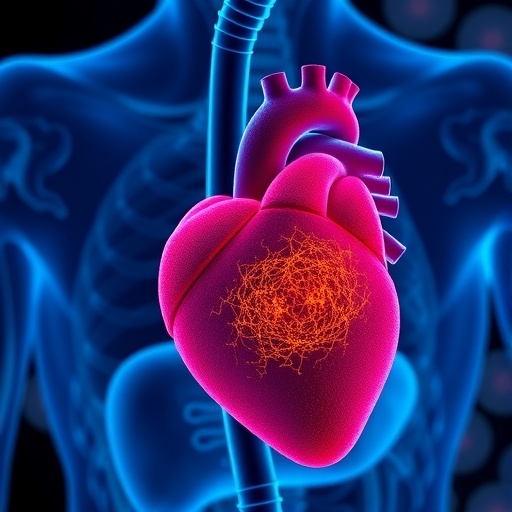
In recent years, our understanding of platelets has evolved dramatically, moving beyond their traditional roles in blood coagulation to uncover complex mechanisms that link them to various cardiovascular diseases. Platelets, once solely seen as the cellular components that facilitate clotting at the site of vascular injury, are now recognized as pivotal players in the interplay between thrombosis and inflammation. The phenomenon of procoagulant activation has emerged as a critical area of research, revealing how these activated platelets can significantly influence disease outcomes, especially in conditions like myocardial infarction, stroke, and deep vein thrombosis.
When platelets encounter vascular injury, they are activated and aggregate to form an initial blood clot. However, under certain pathological conditions, they can enter a hyper-activated state known as procoagulant activation. This state exhibits distinct features that not only enhance clot formation but also broaden the scope of platelet involvement in pathological processes beyond clotting. Procoagulant platelets expose phosphatidylserine on their surfaces, leading to a pro-inflammatory microenvironment that can exacerbate cardiovascular conditions.
One of the key aspects of procoagulant platelets is their ability to interact with various inflammatory mediators and cellular components of the immune system. This interaction plays a significant role in the pathophysiology of atherosclerosis, where chronic inflammation contributes to plaque instability and rupture. Procoagulant activation may increase the risk of thrombus formation in atherosclerotic lesions, highlighting the dual role of platelets in both promoting clot formation and fueling inflammation.
Research over the past decade has laid the groundwork for understanding the signaling pathways that mediate procoagulant platelet activation. These pathways involve various receptors, including glycoprotein receptors, Toll-like receptors, and integrins, which respond to different stimuli such as thrombin, collagen, and lipopolysaccharides. The activation of these receptors leads to intracellular signaling cascades, ultimately resulting in a procoagulant phenotype that is distinct from the traditional platelet aggregation response.
What sets procoagulant platelets apart from their aggregatory counterparts is their unique surface characteristics and functional engagement. In addition to the exposure of phosphatidylserine, procoagulant platelets also release significant amounts of cytokines and chemokines, further amplifying the inflammatory response and interacting with other immune cells. This cross-talk suggests that platelets do not work in isolation; instead, they operate within a complex network of cellular and molecular interactions that ultimately dictate the outcomes in cardiovascular diseases.
The clinical implications of procoagulant platelets cannot be overstated. Their involvement in thromboinflammatory processes positions them as potential biomarkers and therapeutic targets for a range of cardiovascular conditions. For instance, measuring levels of activated platelets, or specific procoagulant markers, could provide valuable insights into a patient’s risk profile for thrombotic events. Moreover, interventions aimed at modulating platelet activity may have therapeutic benefits, especially in high-risk populations prone to thromboembolic complications.
As research advances, there is potential for developing novel therapeutic strategies that can specifically inhibit the procoagulant state of platelets. Existing anticoagulants may not target this specific pathway effectively, leaving a gap for innovative treatment options. Future studies could investigate the feasibility of using monoclonal antibodies that target specific platelet receptors implicated in procoagulant activation, or small molecules that inhibit the associated signaling pathways.
Furthermore, the connection between procoagulant platelets and immune-mediated diseases opens up avenues for broader research horizons. Conditions characterized by excessive inflammation, such as septic shock or autoimmune disorders, could potentially benefit from insights gained regarding procoagulant platelets. Understanding how these platelets interact with immune complexes may lead to better management strategies for patients facing such multi-faceted health challenges.
The exploration of procoagulant platelets is an exciting frontier in cardiovascular research, reflecting a shift towards holistic approaches in understanding disease mechanisms. As we continue to uncover the multifaceted roles these cells play in health and disease, it becomes increasingly clear that the intersection of thrombosis and inflammation holds the keys to new therapeutic possibilities. Continued funding and focus on this research area are essential, as a deeper understanding of platelet biology could revolutionize the way we approach cardiovascular disease management.
In summary, procoagulant platelets represent a dynamic intersection between hemostasis, thrombosis, and inflammation. Their unique activation state provides insights into the mechanisms underpinning not only cardiovascular diseases but also a broad spectrum of inflammatory conditions. With ongoing research, we may unlock new potential in diagnostics and therapeutics, translating advances in platelet biology into improved patient outcomes.
Cite Scienmag News
Frances Kline. (January 14, 2026). Procoagulant Platelets: Coagulation and Inflammation in Heart Disease. Scienmag. https://scienmag.com/procoagulant-platelets-coagulation-and-inflammation-in-heart-disease/
Frances Kline. "Procoagulant Platelets: Coagulation and Inflammation in Heart Disease." Scienmag, 14 January 2026, https://scienmag.com/procoagulant-platelets-coagulation-and-inflammation-in-heart-disease/. Accessed 3 September 2026.
Frances Kline. "Procoagulant Platelets: Coagulation and Inflammation in Heart Disease." Scienmag. January 14, 2026. https://scienmag.com/procoagulant-platelets-coagulation-and-inflammation-in-heart-disease/


