


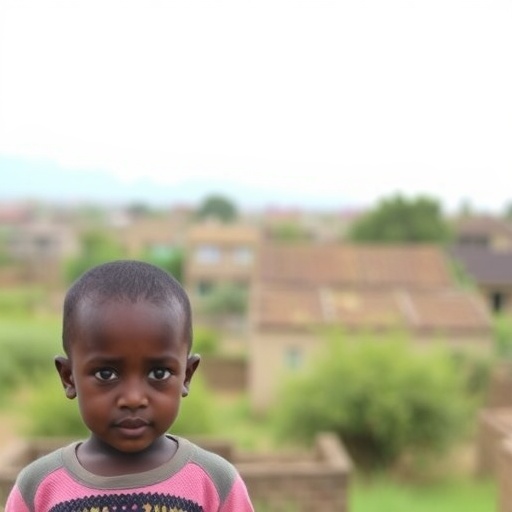
In a groundbreaking study published in BMC Pediatrics, researchers Gebrerufael, Welegebrial, Teklezgi, and their collaborators examined a critical issue that affects the lives of countless children under the age of five in the developing regions of Ethiopia. The study delves into “time-to-death” and its predictors among this vulnerable age group, highlighting the urgent need for public health initiatives and targeted interventions that may save lives. The implications of their findings are both significant and far-reaching, offering valuable insights into child mortality rates in low-resource settings.
Child mortality remains a pervasive global challenge, with developing regions bearing a disproportionate burden. The World Health Organization (WHO) has set ambitious targets to reduce child mortality, aiming for fewer than 25 deaths per 1,000 live births in all countries by 2030. Amidst these goals, understanding the predictors of time-to-death becomes crucial, serving as a roadmap for healthcare providers and policymakers alike. This study sheds light on the multifaceted factors contributing to mortality, encompassing socio-economic, environmental, and health-related variables.
To conduct the research, the authors adopted a cross-sectional study design, leveraging data collected from multiple communities across Ethiopia. This methodological choice enhanced the robustness of their findings, allowing for a comprehensive analysis of the diverse factors influencing child mortality rates. The researchers meticulously gathered data, employing rigorous statistical methods to ensure the reliability and validity of their results.
The study revealed a dire reality: many children in these regions are at an increased risk of premature death due to a myriad of predictors. This entailed not only health-related factors, such as access to medical care and nutrition, but also broader socio-economic determinants like parental education, household income, and geographical location. These insights underscore the interconnected nature of health and socio-economic status and call for a holistic approach to addressing child mortality.
Moreover, the research indicates that public health interventions must prioritize access to healthcare resources, particularly in rural and underserved areas. The stark disparities in health access highlight the need for targeted strategies that aim to reach the most vulnerable populations. Integrating health education and resources for families can create a ripple effect, empowering caregivers and improving child health outcomes in the long run.
In the context of infectious diseases, the study also emphasized the significant role that preventable illnesses play in child mortality rates. Vaccination, sanitation, and nutritional support emerged as vital components that could drastically reduce the number of deaths among under-five children. Through this lens, the researchers advocate for increased investment in healthcare infrastructure, particularly initiatives aimed at combating common childhood illnesses.
The exploration of time-to-death adds another dimension to the understanding of child mortality. It allows for a deeper examination of how quickly children succumb to their conditions, which may be impacted by healthcare delays, access to medications, and existing health conditions. This data is invaluable, as it can drive interventions focused on reducing mortality risks associated with chronic health issues exacerbated by a lack of timely medical care.
Importantly, the authors of this study argue that policymakers must prioritize mental health and psychosocial support for families dealing with the loss of a child, as the emotional aftermath can have lasting effects on parents and siblings. Addressing the psychological impact of child mortality is an essential yet often overlooked component of public health strategies in these regions.
The study’s findings resonate with global health advocates, as they reflect a broader need for concerted international efforts to address child mortality worldwide. By sharing these insights, the researchers hope to galvanize action from both local governments and international organizations. The advancement in reproductive and child health in Ethiopia can serve as a model for other developing nations grappling with similar challenges.
Furthermore, the investigation demonstrates the power of collaborative research, as multidisciplinary teams often lead to a richer understanding of complex public health issues. The intricacies of child mortality in developing contexts necessitate collective expertise from various fields, including epidemiology, public health policy, and social sciences.
The implications of the study extend beyond Ethiopia, providing valuable lessons for other countries facing high rates of childhood mortality. As global attention turns toward achieving Sustainable Development Goals, this research serves as a reminder that addressing child health is crucial for overall development. Concerted efforts, innovative solutions, and increased resource allocation can drive meaningful change in reducing child mortality rates around the world.
As the world emerges from the COVID-19 pandemic, the urgency to address existing health disparities has never been more pronounced. The findings of Gebrerufael et al. serve as a clarion call for renewed commitments to child health and survival, ensuring that every child has a fair chance at life. Through informed policymaking, community engagement, and sustainable health interventions, it is possible to shift the trajectory of child mortality rates in Ethiopia and beyond.
In conclusion, this study presents a compelling case for action against child mortality in the developing regions of Ethiopia. With profound implications for public health policy, it emphasizes the interconnectedness of health and socio-economic factors. By recognizing and addressing the predictors of time-to-death among under-five children, stakeholders can play an instrumental role in writing a new narrative toward achieving child survival and well-being across the globe.
Gebrerufael, G.G., Welegebrial, B.G., Teklezgi, M.G. et al. Time-to-death and its predictors among under five children in the developing regions of ethiopia: a cross sectional study.
BMC Pediatr 25, 909 (2025). https://doi.org/10.1186/s12887-025-06215-1
Cite Scienmag News
Ophelia Keating. (November 5, 2025). Predictors of Early Childhood Mortality in Ethiopia. Scienmag. https://scienmag.com/predictors-of-early-childhood-mortality-in-ethiopia/
Ophelia Keating. "Predictors of Early Childhood Mortality in Ethiopia." Scienmag, 5 November 2025, https://scienmag.com/predictors-of-early-childhood-mortality-in-ethiopia/. Accessed 4 September 2026.
Ophelia Keating. "Predictors of Early Childhood Mortality in Ethiopia." Scienmag. November 5, 2025. https://scienmag.com/predictors-of-early-childhood-mortality-in-ethiopia/


