Marbled murrelet chicks remained in the nest longer and faced greater exposure to predators when ocean conditions were poor, according to an observational study by Oregon State University scientists. Researchers found that chicks received fewer feeding visits per day under unfavorable conditions, even though the fish delivered were generally larger and more energy dense. The chicks took an average of 25% longer to fledge, or eight additional days, increasing the period during which they were vulnerable in the nest.
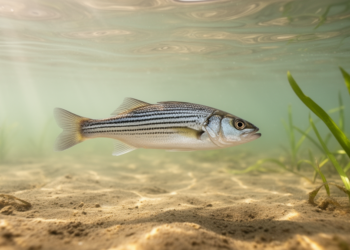
The study used more than 12,000 hours of video recordings from 18 nests over four years, covering two years of poor ocean conditions and two years of more favorable conditions. Scientists analyzed 1,332 feeding events, each consisting of a single fish typically identified as smelt, anchovy, herring or sand lance. By comparing parental provisioning under the different environmental conditions, the researchers examined how ocean productivity may influence the behavior of a threatened Pacific Northwest seabird that feeds in coastal waters but raises its young inland in mature and old-growth conifer forests.
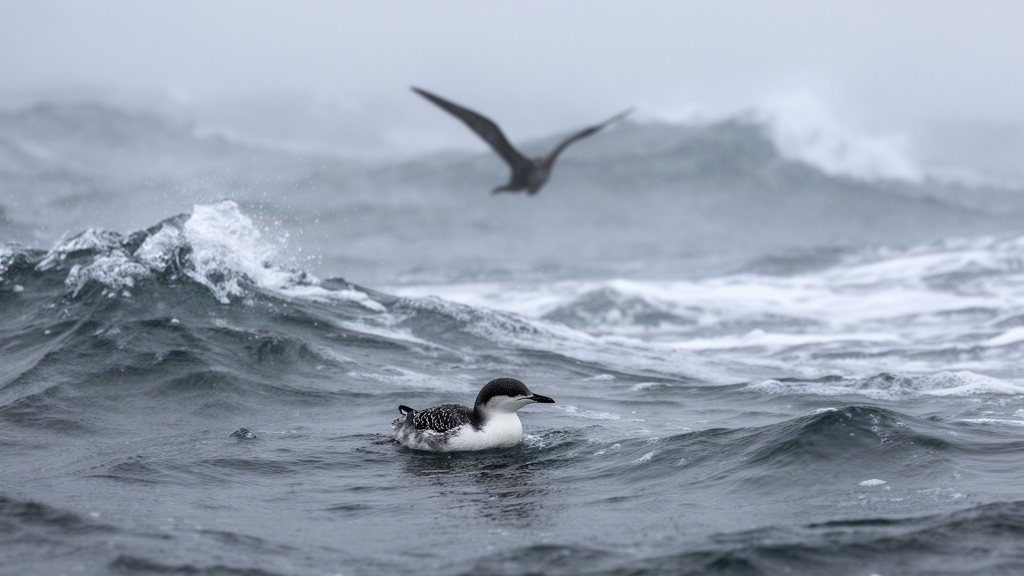
Marbled murrelets produce only one offspring per year, and their young require forage fish for proper growth and development. Adults spend most of their time in coastal waters eating krill, other invertebrates and fish such as herring, anchovies, smelt and capelin. Chicks received more frequent meals during favorable ocean conditions. Under poor conditions, however, the larger and more energy-dense fish compensated only slightly for the reduced number of feeding visits, so estimated daily energy intake was only marginally greater during better conditions. The measured difference in fledging time was associated with a longer period before chicks left the nest and therefore with greater exposure to known predators.
Steller’s jays, American crows and common ravens are the main predators of marbled murrelet eggs and chicks. The researchers described the dataset as larger than the combined number of marbled murrelet chick-provisioning observations in all previous studies. The study did not directly measure predator attacks, predation rates or chick survival; its evidence showed fewer feeding visits and a longer nestling period under poor ocean conditions. The additional eight days before fledging increased the time vulnerable chicks spent in nests where these predators are present. The study also noted that murrelets may forgo breeding altogether in especially poor ocean years, although that behavior was not quantified in the reported analysis.
The findings suggest that successful marbled murrelet reproduction depends on a narrow range of forage-fish species and that climate-driven changes in their availability could affect reproductive output. Along the West Coast, marbled murrelets can be found from Santa Cruz, California, to the Aleutian Islands. The species is listed as threatened under the U.S. Endangered Species Act in Washington, Oregon and California. Jim Rivers, director of the Oregon Marbled Murrelet Project, said projected increases in ocean warming, together with loss and fragmentation of nesting habitat, suggest that population recovery will require conservation efforts in both marine and terrestrial environments. On the marine side, he identified reducing bycatch of forage fish and protecting spawning areas as measures that could support marbled murrelets. Those actions may also benefit large predatory fishes, other seabirds and marine mammals that depend on healthy forage-fish stocks. The results identify parental care and ocean conditions as linked influences on reproductive timing, but they do not establish that poor conditions alone caused a measured change in population size or long-term survival.
Subject of Research: Ocean conditions, parental food provisioning and predator exposure in marbled murrelet chicks
Article Title: Marbled murrelet chicks face greater predation risk when ocean conditions are poor
Article References: Marbled murrelet chicks face greater predation risk when ocean conditions are poor. Original publication (Bibliographic details unavailable.)
Image Credits: AI Generated
DOI: Not provided
Keywords: marbled murrelet, ocean conditions, chick provisioning, predation exposure, forage fish, seabird ecology, nestling development, climate change, conservation, Oregon State University, Marbled, murrelet
Cite Scienmag News
Violet Maxwell. (October 21, 2026). Poor ocean conditions prolong marbled murrelet chick vulnerability to predators. Scienmag. https://scienmag.com/poor-ocean-conditions-prolong-marbled-murrelet-chick-vulnerability-to-predators/
Violet Maxwell. "Poor ocean conditions prolong marbled murrelet chick vulnerability to predators." Scienmag, 21 October 2026, https://scienmag.com/poor-ocean-conditions-prolong-marbled-murrelet-chick-vulnerability-to-predators/. Accessed 21 October 2026.
Violet Maxwell. "Poor ocean conditions prolong marbled murrelet chick vulnerability to predators." Scienmag. October 21, 2026. https://scienmag.com/poor-ocean-conditions-prolong-marbled-murrelet-chick-vulnerability-to-predators/