


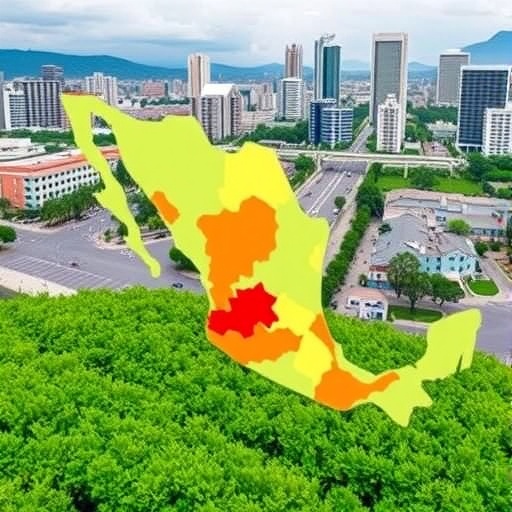
In recent years, the ongoing debate surrounding environmental pollutants has gained urgency, especially concerning pesticides and their implications on human health and safety. The latest research led by Aviña-Hermosillo and colleagues highlights a poignant issue: pesticide contamination in water sources, particularly in urban areas of Mexico. As urbanization continues to transform landscapes and result in increased agricultural activities, the risks posed by these chemical agents are gaining recognition.
The study, published in the journal “Environmental Science and Pollution Research,” conducts an incisive analysis of both municipal and commercially purified water sources in these urban settings. Grounded in an extensive empirical framework, the research uncovers the troubling reality that even water deemed safe for consumption may harbor harmful pesticide residues. This revelation puts a spotlight on the effectiveness of current water purification systems in removing toxic substances.
In recent decades, Mexico has seen a surge in agricultural practices, both legally sanctioned and illicit. This increase has naturally escalated pesticide usage, leading to widespread contamination of soil and water systems. The researchers conducted water sampling in various localities, revealing the persevering presence of organophosphates and carbamates—two classes of pesticides well-known for their neurotoxic effects. High levels of these contaminants in water sources not only threaten local ecosystems but also raise significant concerns for public health.
Human exposure risk from contaminated water is a dual-edged sword: it places both vulnerable populations and the general public at risk. Children, pregnant women, and the elderly are particularly susceptible to the adverse effects of pesticide exposure. The findings from this research underscore the potential long-term health complications, which include but are not limited to, developmental issues, reproductive disorders, and increased incidence of certain cancers.
The research also emphasizes the role of commercial water purification systems. While these systems are often perceived as a safety net against contaminants, the study suggests they may not be as effective as advertised. Testing revealed that certain brands of purified water still contained detectable levels of pesticides. This is alarming, as many consumers trust that purified water is free from such hazardous substances, especially in an era where health and wellness trends are on the rise.
Moreover, this study reflects a critical need for regulatory oversight related to pesticide usage in Mexico. Current regulations appear to be insufficient in preventing dangerous levels of these chemicals from entering water supplies. Policymakers need to re-evaluate existing frameworks and introduce stricter guidelines to mitigate the risks of pesticide contamination. The implications of these findings extend beyond local communities; they resonate globally, as pesticide usage is a pervasive issue worldwide.
Public awareness campaigns focused on water safety are essential in addressing the rising risks associated with pesticide contamination. Citizen education programs can empower communities to demand better quality assurance in local water services. Implementing community-based water monitoring initiatives can also offer a proactive approach to tackling these hazardous exposures. Encouraging community engagement and advocacy around clean water initiatives can drive systemic change, fostering a culture of accountability among water suppliers.
The research indicates that environmental factors must be considered when evaluating the effectiveness of water treatment methods. Notably, the presence of additional organic matter and competing contaminants can reduce the efficacy of conventional purification processes. As the complexity of contamination increases, so too must the methodologies employed in treating water supplies. Innovative technologies, such as advanced oxidation processes and biomediation strategies, could provide new avenues for effectively eliminating these harmful pesticides.
Furthermore, the need for interdisciplinary research is critical in addressing the risks of pesticide exposure. Collaboration among environmental scientists, toxicologists, and public health experts can yield a more comprehensive understanding of how these contaminants affect health. Integrated research approaches will boost knowledge transfer between disciplines, leading to practical solutions that can mitigate the risks presented by pesticide contamination.
Looking ahead, longitudinal studies are needed to establish clear correlations between pesticide exposure through contaminated water and adverse health outcomes. Such studies will be vital in formulating evidence-based policies that can protect public health while also maintaining agricultural productivity. Understanding the multifaceted relationships between water quality, pesticide use, and health will ultimately allow for better informed and more effective regulations.
This study on pesticide contamination serves as both a warning and a call to action. It highlights the complexities of environmental health and the interconnectedness of our ecosystems. Awareness must be raised not only amongst scientists but also within the community, enabling individuals to advocate for safer practices in both agriculture and water treatment. As we navigate the challenges posed by modern agricultural practices and the associated health risks, collective action and informed decision-making emerge as pivotal to safeguarding public health in the future.
In summary, the urgent issue of pesticide contamination in urban water sources unveiled by this notable research emphasizes the need for urgent action across various fronts. From improving regulatory frameworks to enhancing public awareness and exploring innovative treatment technologies, it is imperative that stakeholders unite to mitigate the risks associated with water contamination. Only through a concerted effort can we hope to ensure the safety of our water supplies and protect the health of future generations.
Aviña-Hermosillo, A.L., Morán-Salazar, R.G., Peregrina-Lucano, A.A. et al. Pesticide contamination and human exposure risk in municipal and commercially purified water from an urban zone in Mexico.
Environ Sci Pollut Res (2025). https://doi.org/10.1007/s11356-025-37140-6
Cite Scienmag News
Violet Maxwell. (November 8, 2025). Pesticide Risks in Urban Water Sources in Mexico. Scienmag. https://scienmag.com/pesticide-risks-in-urban-water-sources-in-mexico/
Violet Maxwell. "Pesticide Risks in Urban Water Sources in Mexico." Scienmag, 8 November 2025, https://scienmag.com/pesticide-risks-in-urban-water-sources-in-mexico/. Accessed 4 September 2026.
Violet Maxwell. "Pesticide Risks in Urban Water Sources in Mexico." Scienmag. November 8, 2025. https://scienmag.com/pesticide-risks-in-urban-water-sources-in-mexico/


