


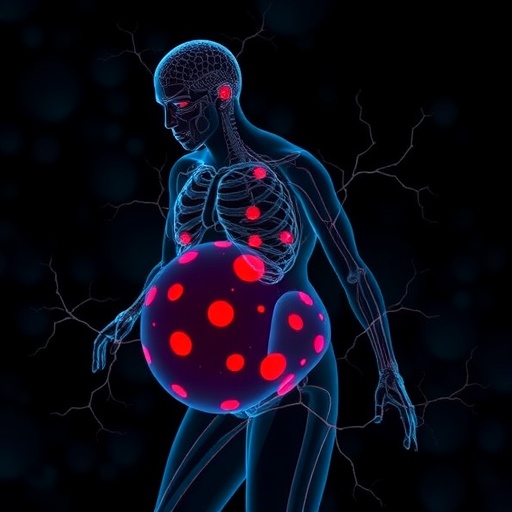
In a groundbreaking new study set to reshape our understanding of paternal health and its impact on offspring, researchers have unveiled compelling evidence linking male obesity to mitochondrial dysfunction in the adipose tissue of their progeny. Published in Nature Communications, this research elucidates a complex molecular pathway mediated by the let-7 microRNA family and the enzyme DICER, revealing a heretofore underappreciated axis that significantly disrupts energy metabolism in F1 generation mice. This discovery heralds a paradigm shift in the field of metabolic diseases, emphasizing the intergenerational consequences of paternal obesity beyond traditional genetic inheritance.
Mitochondria are the powerhouses of the cell, responsible for generating the energy required for nearly every biological function. Adipose tissue, commonly known as body fat, is not just a passive energy reservoir but a dynamic endocrine organ integral to metabolic regulation. Dysfunctional mitochondrial activity in adipose tissue has been strongly associated with insulin resistance, increased oxidative stress, and the pathogenesis of obesity-related metabolic disorders. While maternal contributions to offspring metabolic health have been extensively studied, this research distinctively spotlights the paternal role, specifically how male obesity leads to mitochondrial compromise in offspring.
Central to this study is the let-7 family of microRNAs, small non-coding RNAs that regulate gene expression by targeting messenger RNAs for degradation or translational repression. The researchers identified a pivotal mechanistic link involving let-7 microRNAs and DICER, an endoribonuclease critical for the biogenesis of most microRNAs. Through a series of sophisticated molecular and genetic experiments, they demonstrated that paternal obesity alters the expression profile of let-7 microRNAs via modulation of DICER activity within sperm cells, which subsequently disrupts mitochondrial function in the adipose tissues of their offspring.
The experimental design employed well-established mouse models to replicate human obesity conditions. Male mice subjected to a high-fat diet displayed classic markers of obesity, including increased adiposity and impaired glucose tolerance. Offspring derived from these obese sires exhibited significant mitochondrial dysfunction characterized by reduced oxidative phosphorylation capacity and elevated generation of reactive oxygen species in adipose tissues. Notably, these defects were not attributable to maternal factors, underscoring the paternal contribution mediated through altered sperm epigenetics.
Delving deeper into the epigenetic mechanisms, the team revealed that obesity-induced downregulation of DICER in sperm led to aberrant processing of precursor microRNAs, including let-7. This reduction impaired the microRNA-mediated post-transcriptional regulation within the developing embryo, programming mitochondrial dysfunction in adipose tissue progenitor cells. These findings position the let-7-DICER axis as a critical epigenetic modulator translating paternal metabolic health status into molecular signatures that shape offspring physiology.
Further molecular analyses shed light on the downstream consequences of let-7 dysregulation in adipose progenitors. The dysregulated microRNA milieu dampened the expression of key mitochondrial biogenesis regulators such as PGC-1α and NRF1, transcriptional coactivators imperative for mitochondrial DNA replication and respiratory function. This cascade culminated in compromised mitochondrial architecture and bioenergetics, paving the way for metabolic inefficiencies that predispose offspring to obesity and related disorders.
The translational implications of this study are profound. By establishing a causal link between paternal obesity and offspring mitochondrial dysfunction mediated via a specific microRNA-processing pathway, it opens new avenues for therapeutic intervention. Targeting the let-7-DICER axis could potentially rectify or mitigate inherited metabolic defects, presenting a novel strategy in the fight against the global surge of obesity and type 2 diabetes.
Moreover, this research challenges prevailing paradigms that predominantly focus on maternal health and prenatal exposure as determinants of offspring metabolic outcomes. It underscores the necessity to adopt a more inclusive approach addressing paternal factors, particularly obesity and related epigenetic alterations in germ cells. The findings advocate for public health policies that emphasize paternal preconception health optimization to break the vicious cycle of metabolic disease transmission.
One particularly striking aspect of the study is the demonstration that these intergenerational effects arise independently of direct genetic mutations. Instead, the alterations are mediated through epigenetic reprogramming, a reversible modification of gene expression without changes in DNA sequence. This revelation provides a beacon of hope, suggesting that lifestyle changes or pharmacological modulation in fathers before conception may ameliorate adverse metabolic programming in offspring.
Additionally, the researchers employed state-of-the-art techniques such as RNA-sequencing, chromatin immunoprecipitation, and mitochondrial respiration assays to dissect the intricate molecular events underpinning their observations. These high-resolution methodologies allowed for a comprehensive mapping of the epigenetic landscape and functional deficits associated with paternal obesity, lending robust credibility to the conclusions drawn.
Future research directions inspired by these findings include exploring the potential for dietary, lifestyle, or pharmacological interventions to restore DICER function and normalize let-7 microRNA levels in sperm. Investigations into how these epigenetic alterations influence other tissues beyond adipose and their persistence across multiple generations will be critical for a holistic understanding of metabolic inheritance.
In view of the global obesity epidemic, which has now enveloped hundreds of millions of individuals, deciphering the mechanisms by which paternal health shapes progeny outcomes is imperative. This study serves as a clarion call for both the scientific community and healthcare providers to recognize and address paternal contributions as integral to the prevention of metabolic diseases.
Last but not least, the research illuminates a sophisticated cross-talk between metabolic states and epigenetic machinery, enriching our comprehension of biology’s complexity. The let-7-DICER axis emerges as a molecular nexus, integrating environmental inputs such as diet with gene regulatory networks that dictate cellular energy homeostasis. Understanding this axis not only augments fundamental knowledge but also propels us towards precision medicine tailored to disrupt pathological epigenetic inheritance.
This pioneering work by Huang, Park, Altıntaş, and colleagues is poised to influence myriad facets of biomedical science, from reproductive biology and metabolism to epigenetics and public health. It paves the way for innovative strategies that could attenuate the burden of obesity-linked diseases through paternal preconception care, offering a tangible route to healthier future generations.
Cite Scienmag News
Daisy Hatcher. (February 24, 2026). Paternal Obesity Impairs Offspring Fat Mitochondria via let-7-DICER. Scienmag. https://scienmag.com/paternal-obesity-impairs-offspring-fat-mitochondria-via-let-7-dicer/
Daisy Hatcher. "Paternal Obesity Impairs Offspring Fat Mitochondria via let-7-DICER." Scienmag, 24 February 2026, https://scienmag.com/paternal-obesity-impairs-offspring-fat-mitochondria-via-let-7-dicer/. Accessed 4 September 2026.
Daisy Hatcher. "Paternal Obesity Impairs Offspring Fat Mitochondria via let-7-DICER." Scienmag. February 24, 2026. https://scienmag.com/paternal-obesity-impairs-offspring-fat-mitochondria-via-let-7-dicer/


