


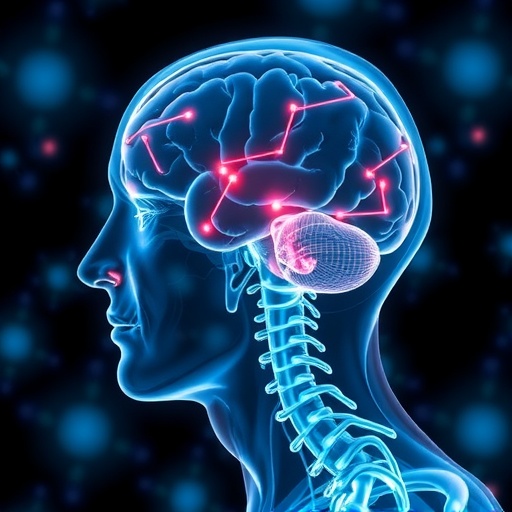
In a groundbreaking clinical trial recently published in Nature Medicine, researchers from Lund University and the psychiatric services in Region Skåne have unveiled promising evidence supporting the use of the dopamine agonist pramipexole as an effective treatment for individuals suffering from anhedonic depression—a severe form of depression characterized by a marked inability to experience pleasure or motivation. This new therapeutic approach, perhaps poised to redefine treatment paradigms, hinges on the concept of drug repurposing, utilizing pramipexole, traditionally prescribed for Parkinson’s disease, to specifically target depressive symptoms that have proven resistant to current antidepressant regimes.
The clinical trial was rigorously designed as a randomized, double-blind, placebo-controlled study involving 82 participants, all carefully selected for marked anhedonia despite ongoing antidepressant therapy. Over the course of nine weeks, subjects were administered either pramipexole or placebo alongside their usual medication, enabling researchers to isolate the unique contribution of pramipexole to symptom improvement. This methodological approach not only ensures the objectivity and reliability of the findings but also illuminates the direct causative effects of the dopamine agonist on depressive symptoms.
Anhedonia, the debilitating symptom that this study targets, has long vexed clinicians due to its poor responsiveness to classical antidepressants predominantly affecting the serotonergic or noradrenergic systems. It manifests clinically as a diminished capacity to feel joy or derive motivation from previously rewarding activities, often severely compromising an individual’s quality of life. Daniel Lindqvist, the study’s principal investigator and associate professor of psychiatry at Lund University, emphasized the novelty and clinical significance of pramipexole’s effect, noting the drug’s potential to fill a critical therapeutic void for patients who have exhausted conventional options.
A compelling aspect of the study lies not only in the clinical outcomes but also in the exploration of the underlying neurobiological mechanisms. Utilizing high-resolution 7 Tesla functional magnetic resonance imaging (fMRI), the research team probed the brain’s reward circuitry, pinpointing enhanced activity in dopaminergic pathways as a key mediator of improved motivation and pleasure in treated patients. This sophisticated imaging technology allowed unprecedented insight into the functional dynamics of deep brain structures, corroborating the dopaminergic hypothesis of anhedonia and linking therapeutic effects directly to modulation of neural circuits responsible for reward processing.
Complementing the neuroimaging data, participants’ daily activity levels were quantitatively monitored using wearable activity trackers. Patients receiving pramipexole exhibited a notable increase in physical activity, a finding consistent with enhanced motivational states and improved depressive symptoms. This objective behavioral evidence reinforces the drug’s role in restoring the functional aspects of reward and motivation, domains often overlooked in traditional symptom rating scales but crucial for real-world recovery and improved daily functioning.
The safety profile of pramipexole in this context was carefully documented throughout the trial and an extended six-month open-label follow-up. While generally well tolerated, common side effects such as nausea, dizziness, and sleep disturbances were reported but managed effectively through dose adjustments. Crucially, no major adverse events or high attrition rates were observed, underscoring the drug’s viability as a long-term adjunctive treatment option. However, the researchers caution vigilant monitoring for less common side effects like impulse control disorders and daytime fatigue, which can arise from dopaminergic overstimulation.
The six-month extension phase provided valuable data on the durability of therapeutic benefits. Patients electing to continue pramipexole treatment maintained improvements in anhedonia, suggesting sustained engagement of the dopaminergic system and the potential for lasting remission in treatment-resistant populations. This longitudinal perspective is particularly salient given the chronic and recurrent nature of major depressive disorder and the high burden of long-term disability associated with persistent anhedonic symptoms.
Furthermore, the concept of drug repurposing exemplified by this study is a strategic innovation in psychopharmacology. It offers a faster, cost-effective pathway to new treatments by leveraging existing safety and pharmacokinetic profiles, circumventing the protracted and costly process of novel drug development. Pramipexole’s repositioning for depression opens avenues for further mechanistic research and clinical trials, potentially stimulating renewed interest in dopamine-targeted therapies within mood disorder treatment frameworks.
Daniel Lindqvist and his colleagues advocate for further large-scale studies to validate these findings and optimize dosing regimens, particularly given dopamine’s complex role in neuropsychiatric function and the risk profile associated with dopamine agonists. Nonetheless, this trial marks a pivotal step toward addressing one of depression’s most intransigent symptoms, promising renewed hope for patients who have struggled with motivational deficits that elude current pharmacotherapy.
In the broader context of neuropsychiatric research, these findings contribute to a growing recognition that depression is not a monolithic disorder but a constellation of symptoms with distinct neurobiological underpinnings. Targeted treatment strategies such as this one, which directly engage specific neurotransmitter systems implicated in particular symptom clusters, represent the future of personalized psychiatric care.
The integration of advanced neuroimaging with objective behavioral monitoring sets a new standard for clinical trials in psychiatry, providing mechanistic insights alongside symptomatic assessment. Such multidisciplinary approaches are instrumental in deciphering the complex brain-behavior relationships that characterize mental illnesses and hold the key to unlocking more effective, tailored interventions.
As the scientific community digests these transformative results, the potential for pramipexole to mitigate anhedonic depression offers not only clinical promise but also a compelling narrative of innovation through drug repurposing. This study may well ignite renewed efforts to harness the therapeutic potential of existing pharmacological agents across the spectrum of psychiatric disorders, ultimately enhancing patient outcomes and expanding the armamentarium against mental illness.
Cite Scienmag News
Glenn Wilkins. (June 12, 2026). Parkinson’s Drug Exhibits Potential in Combatting Treatment-Resistant Depression. Scienmag. https://scienmag.com/parkinsons-drug-exhibits-potential-in-combatting-treatment-resistant-depression/
Glenn Wilkins. "Parkinson’s Drug Exhibits Potential in Combatting Treatment-Resistant Depression." Scienmag, 12 June 2026, https://scienmag.com/parkinsons-drug-exhibits-potential-in-combatting-treatment-resistant-depression/. Accessed 4 September 2026.
Glenn Wilkins. "Parkinson’s Drug Exhibits Potential in Combatting Treatment-Resistant Depression." Scienmag. June 12, 2026. https://scienmag.com/parkinsons-drug-exhibits-potential-in-combatting-treatment-resistant-depression/


