


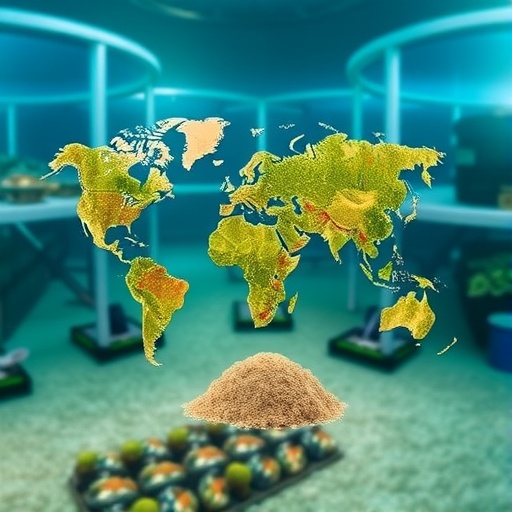
Shifting from wild-caught fishmeal to crop-based ingredients in aquaculture feed design is a concept that carries both promising potential and inherent complexities. As the demand for aquafeed increases due to rising global fish consumption, the environmental implications of sourcing these inputs have become increasingly critical. This situation warrants a comprehensive examination of how feed composition and the geographical origins of its ingredients influence the overall environmental footprint of aquaculture.
Research has indicated that while the composition of feeds does contribute to environmental pressures, it is the place of origin of feed ingredients that plays a more defining role in determining the environmental impact. This notion represents a paradigm shift in how we evaluate the ecological sustainability of aquaculture, turning our attention from what goes into the feed to where it comes from. A nuanced understanding of this dynamic is essential if we are to make informed decisions about sustainable practices within the aquaculture industry.
The environmental footprint in question involves multiple dimensions, such as greenhouse gas emissions, habitat disturbance, excess nutrient loading in aquatic environments, and the consumption of water resources. These pressures emerge not merely from the nutritional composition of aquafeeds, but largely from the agricultural practices employed, the ecosystems affected, and the processing methods utilized in transforming raw materials into feed. Thus, a single type of feed can exhibit vastly different environmental impacts based on logistical and geographical factors involved in its production.
As highlighted in a recent study, average differences observed between various feed types are overshadowed by the variability stemming from the sourcing locations of their ingredients. For instance, feed ingredients derived from high-intensity agricultural systems may impose significantly more stress on the environment than those cultivated under sustainable practices, regardless of their nutritional profiles. This presents a compelling case for the incorporation of responsible sourcing strategies within the aquaculture industry.
It is imperative that aquaculture stakeholders recognize the crucial role of supply chain decisions in mitigating environmental harm. From international trade ramifications to local farming practices, each component of the feed sourcing process has a cascading effect on the ecological footprint of aquafeeds. Moreover, responsible sourcing is not a static concept; it must evolve alongside advancements in agricultural methods and innovations in the aquaculture field.
The study presented a modeling approach that assessed how a transition towards using plant-based feed ingredients could potentially alter the environmental footprint of Atlantic salmon farming. By quantifying various environmental pressures, researchers were able to form an evidence-based argument for the necessity of shifting sourcing practices alongside ingredient composition modifications. This dual approach is vital for the next generation of aquaculture feed production.
However, the benefits of transitioning to plant-based feeds must be balanced with considerations of how these crops are cultivated and processed. Environmental assessments should encompass the entirety of the supply chain, accounting for factors including land use change, water use efficiency, and the application of fertilizers and pesticides. As research evolves, longitudinal studies that monitor these variables will enrich our understanding of aquaculture’s sustainable future.
Aquaculture professionals are encouraged to engage with their supply chains critically. By seeking ingredients sourced from sustainable practices, they can not only diminish their environmental impact but also set a precedent in marketplace expectations for responsible sourcing. Public awareness campaigns can further drive consumer preference towards products that emphasize sustainability, thus reinforcing the economic viability of responsible aquaculture practices.
In addition, policy measures may also play a vital role in shaping sustainable aquafeed production. Governments can implement guidelines and incentives that promote sustainable agricultural practices and responsible sourcing of feed ingredients. Such collaborative efforts could catalyze innovations and elevate environmental standards across the aquaculture industry, ultimately contributing to a more balanced ecological relationship between food production and environmental stewardship.
This holistic approach raises essential questions about the future of feed formulation and the role of innovation in product development. New research into alternative, sustainable feed sources, including those derived from by-products of food processing, has the potential to alleviate pressure on traditional feed ingredients while simultaneously reducing waste in the food supply chain. As the industry progresses, embracing such innovative practices will be crucial in meeting the twin challenges of food security and environmental sustainability.
Adopting a systems-based vision for feed ingredient sourcing creates an opportunity for interdisciplinary collaboration. Researchers, practitioners, and policymakers must work together to gather, analyze, and share data that address the multi-faceted challenges of aquaculture. In doing so, they will pave the way for a new era of aquafeed production that not only meets nutritional needs but also prioritizes environmental health.
In conclusion, redefining aquaculture’s relationship with feed ingredients requires a shift in perspective, emphasizing the significance of sourcing practices alongside ingredient composition. The challenge is not just creating feeds that reduce environmental impact, but understanding the myriad factors that contribute to sustainability. This pathway leads not only to improved aquaculture practices but also promises a healthier ecosystem as we strive for a balance between human consumption and environmental responsibility.
Realizing the potential benefits of such a transformation demand commitment and innovation from all sectors involved. As the field progresses towards sustainable aquaculture practices, the ongoing dialogue about ingredient sourcing will remain paramount. This momentum can only be sustained by creating frameworks informed by research, stakeholder input, and a genuine commitment to environmental stewardship.
Shifting our aquaculture feed sourcing to embrace responsible and sustainable practices is not merely a choice but a necessity. The choices we make today will determine the future of marine resources and the health of our oceans for generations to come.
Cottrell, R.S., Halpern, B.S., Cormery, M. et al. The origins of aquaculture feed ingredients matter more than composition for aquafeed environmental footprint assessments. Nat Food (2025). https://doi.org/10.1038/s43016-025-01236-6
Cite Scienmag News
Sloane Callahan. (October 12, 2025). Origin of Aquaculture Feed Ingredients Key to Sustainability. Scienmag. https://scienmag.com/origin-of-aquaculture-feed-ingredients-key-to-sustainability/
Sloane Callahan. "Origin of Aquaculture Feed Ingredients Key to Sustainability." Scienmag, 12 October 2025, https://scienmag.com/origin-of-aquaculture-feed-ingredients-key-to-sustainability/. Accessed 3 September 2026.
Sloane Callahan. "Origin of Aquaculture Feed Ingredients Key to Sustainability." Scienmag. October 12, 2025. https://scienmag.com/origin-of-aquaculture-feed-ingredients-key-to-sustainability/


