


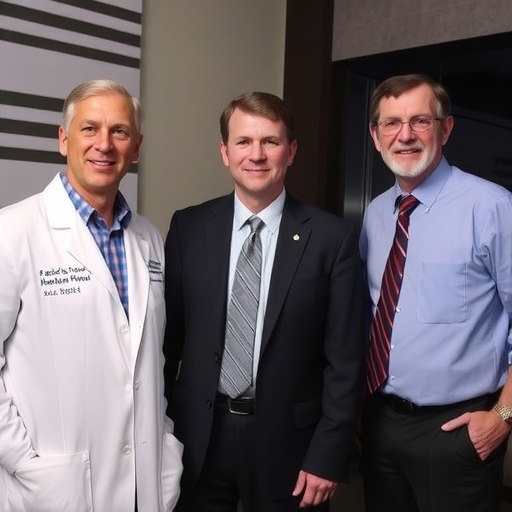
In a groundbreaking development for cancer treatment, the Ochsner MD Anderson Cancer Center located at The Gayle and Tom Benson Cancer Center in New Orleans has become the first institution within Louisiana to offer tumor-infiltrating lymphocytes (TIL) therapy to an adult patient battling advanced melanoma. This accomplishment marks a significant milestone in the evolution of immunotherapy for metastatic skin cancer, a form of malignancy that has traditionally presented substantial treatment challenges due to its aggressive spread within the body.
Advanced melanoma, classified as stage III or IV disease, signifies cancer’s progression beyond the primary site, often resulting in metastases to distant organs. Conventional therapies have often fallen short for patients at this critical stage, necessitating innovative approaches. TIL therapy emerges as a beacon of hope, harnessing the adaptive immune system’s intrinsic power by isolating and expanding immune cells already present within the tumor microenvironment. This technique capitalizes on the lymphocytes’ inherent ability to recognize and destroy malignant cells, offering a personalized treatment cultivated directly from the patient’s tumor.
The TIL therapeutic process begins with a surgical excision of a tumor fragment from the patient. Within this tissue, lymphocytes—white blood cells equipped with cancer-targeting capabilities—are meticulously extracted for laboratory cultivation. Scientists then stimulate these cells to proliferate in vast numbers, creating a robust army primed for anti-cancer activity. After sufficient expansion, the patient undergoes preparative chemotherapy to reduce existing immune cells, thereby creating a receptive environment for the infused TILs.
Following chemotherapy, the amplified lymphocytes are reinfused into the patient’s bloodstream. To facilitate their survival and function, patients receive a cytokine growth factor that supports the proliferation and persistence of these therapeutic cells. This enhanced immune response directs a targeted attack on cancer cells, potentially leading to significant tumor regression or complete remission, even in cases where other treatments have failed.
The concept underlying TIL therapy traces back to discoveries in the late 1980s when researchers identified that tumor-resident immune cells possess the capability to selectively recognize and destroy neoplastic tissue. Over the next several decades, technological refinements and clinical insights transformed this preliminary observation into a viable therapeutic modality. In 2024, the FDA granted its pioneering approval for TIL therapy in advanced melanoma, underpinning the therapy’s validity with clinical trial data demonstrating durable responses—some extending beyond five years post-treatment.
These compelling clinical outcomes have not only reshaped melanoma management but have also galvanized investigations into TIL therapy across multiple cancer types, including those traditionally resistant to immunotherapy like lung cancer. The personalized nature of TILs, derived from the patient’s own tumor biology, positions the therapy at the cutting edge of precision oncology, enabling tailored interventions in complex metastatic disease.
Dr. Daniel Johnson, medical oncologist and director of the Center for Innovative Cancer Therapies at Ochsner MD Anderson, emphasizes the transformative potential of TIL therapy. He remarks on the profound challenges faced by patients with advanced cancer who have exhausted conventional options. By employing a patient’s immune repertoire in a highly individualized treatment strategy, TIL therapy expands the landscape of available therapies, offering new hope and extending survival for those with limited alternatives.
Beyond TILs, Ochsner MD Anderson also champions CAR T-cell therapy as a beacon of innovation within immuno-oncology. Unlike TIL therapy, CAR T involves genetic modification of circulating T cells to target specific tumor antigens. Both modalities exemplify the paradigm shift from nonspecific cytotoxic treatments to biologically targeted, immune-based therapies, underscoring the institution’s commitment to delivering next-generation cancer care.
Ochsner’s legacy in cancer research spans over 80 years, marked by relentless pursuit of therapeutic breakthroughs and a robust clinical trials infrastructure. This foundation enables rapid translation of scientific discoveries into patient-centered care, facilitating early access to novel drugs and treatment protocols. Accreditation by leading surgical and oncology organizations further cements Ochsner MD Anderson’s reputation as a premier cancer treatment hub.
The center’s comprehensive team approach integrates multidisciplinary expertise, deploying surgeons, medical oncologists, radiation oncologists, pathologists, and other specialists in concert to devise optimal treatment strategies. This collaborative framework ensures meticulous attention to the complexities of each patient’s disease, fostering tailored regimens that balance efficacy and quality of life.
Clinically, Ochsner MD Anderson has garnered recognition for excellence in managing hematologic malignancies—such as leukemia, lymphoma, and myeloma—as well as solid tumors including colorectal, lung, and prostate cancers. Treating over 40,000 patients annually, the center attracts a diverse population from across the United States and internationally, reflecting broad confidence in its advanced oncologic care offerings.
In summary, the introduction of TIL therapy at Ochsner MD Anderson Cancer Center places Louisiana at the forefront of immunotherapy innovation. As this personalized approach continues to evolve, it symbolizes a critical leap toward harnessing the immune system’s potential to overcome metastatic melanoma and potentially other refractory cancers. This milestone not only transforms treatment paradigms but also ignites new optimism for patients facing daunting prognoses.
Cite Scienmag News
Nathaniel Bowman. (February 23, 2026). Ochsner MD Anderson Pioneers Innovative TIL Therapy for Advanced Melanoma in Adults. Scienmag. https://scienmag.com/ochsner-md-anderson-pioneers-innovative-til-therapy-for-advanced-melanoma-in-adults/
Nathaniel Bowman. "Ochsner MD Anderson Pioneers Innovative TIL Therapy for Advanced Melanoma in Adults." Scienmag, 23 February 2026, https://scienmag.com/ochsner-md-anderson-pioneers-innovative-til-therapy-for-advanced-melanoma-in-adults/. Accessed 3 September 2026.
Nathaniel Bowman. "Ochsner MD Anderson Pioneers Innovative TIL Therapy for Advanced Melanoma in Adults." Scienmag. February 23, 2026. https://scienmag.com/ochsner-md-anderson-pioneers-innovative-til-therapy-for-advanced-melanoma-in-adults/


