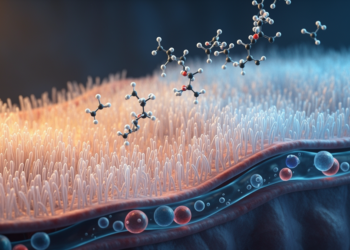

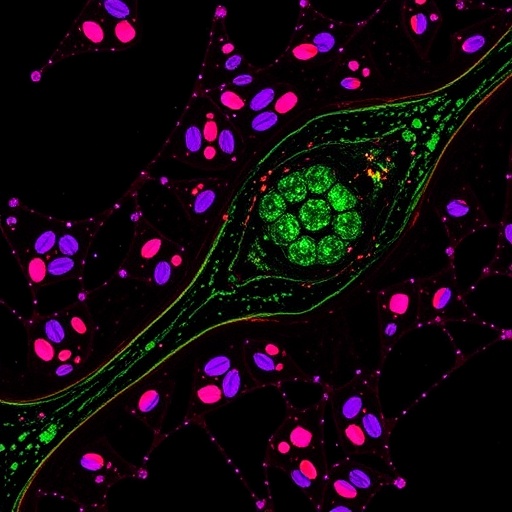
In a groundbreaking study published in BMC Cancer, researchers have unveiled a novel molecular mechanism that accelerates the progression of liver hepatocellular carcinoma (LIHC), the most common form of liver cancer. This mechanism centers around NSUN5, an RNA methyltransferase enzyme, which promotes tumor growth by modulating glycolysis through m5C methylation of EFNA3, a critical gene involved in the disease. This discovery offers a promising new target for therapeutic intervention, potentially revolutionizing the treatment landscape of LIHC.
Liver hepatocellular carcinoma is notorious for its aggressive nature and poor prognosis, primarily due to late diagnosis and limited effective treatment options. One of the hallmarks of aggressive cancers like LIHC is aerobic glycolysis—often referred to as the Warburg effect—where cancer cells preferentially generate energy through glycolysis even in the presence of adequate oxygen. This metabolic reprogramming supports rapid cancer cell proliferation and survival. However, the molecular regulators orchestrating this metabolic switch in LIHC remain incompletely understood.
The recent investigation sheds light on the role of RNA modifications in cancer metabolism, specifically focusing on 5-methylcytosine (m5C) modification, a chemical alteration of RNA that influences its stability and function. NSUN5, a member of the RNA m5C methyltransferase family, emerged as a key player. By analyzing expression data from The Cancer Genome Atlas (TCGA), the researchers discovered that both NSUN5 and EFNA3 are upregulated in LIHC and correlate strongly with poor patient survival, suggesting their contribution to tumor aggressiveness.
Mechanistically, NSUN5 was found to catalyze m5C methylation on the EFNA3 transcript. EFNA3, a gene encoding ephrin-A3, is implicated in various cellular processes including cell proliferation and migration, often hijacked during tumorigenesis. The m5C modification by NSUN5 stabilizes EFNA3 mRNA, enhancing its expression and facilitating enhanced glycolytic activity in tumor cells. This epigenetic modification essentially fuels the metabolic machinery that cancer cells rely on for growth and survival.
The research team employed a combination of in vitro and in vivo models to validate their findings. Knocking down NSUN5 in liver cancer cell lines resulted in a significant decrease in both cell viability and glycolytic activity, highlighting the enzyme’s critical role in maintaining the metabolic phenotype necessary for tumor progression. Interestingly, the suppression of NSUN5 also translated to slower tumor growth in animal xenograft models, reinforcing its tumourigenic importance.
Further molecular assays revealed a positive correlation between NSUN5 and EFNA3 expression. Notably, the overexpression of EFNA3 was able to rescue the inhibitory effects on glycolysis and cell viability caused by NSUN5 knockdown, underscoring that EFNA3 acts downstream of NSUN5’s epigenetic regulation. This finding confirms the NSUN5-m5C-EFNA3 axis as a critical pathway promoting LIHC progression.
Epitranscriptomics—the study of chemical modifications on RNA—has rapidly emerged as a frontier in understanding cancer biology. This study contributes significantly to that field by elucidating how m5C modification dynamically regulates gene expression relevant to tumor metabolism. Unlike genetic mutations, such epigenetic modifications offer a reversible means of regulating oncogenes and tumor suppressors, opening avenues for targeted therapy.
Importantly, the implication of NSUN5 in promoting glycolysis via m5C methylation of EFNA3 introduces a dual avenue for therapeutic exploitation. Targeting NSUN5 could disrupt the metabolic advantage tumor cells maintain, while simultaneously destabilizing oncogenic mRNA transcripts. Such strategies could potentially enhance the efficacy of existing treatments or lead to innovative drug designs aimed at the epitranscriptomic machinery.
Given that LIHC remains a leading cause of cancer-related mortality worldwide, largely due to limited therapeutic options, these findings inject fresh hope into the research and clinical communities. New therapeutic targets are urgently needed, especially those capable of halting cancer metabolism which fuels tumor growth and therapy resistance.
Furthermore, the findings of this study emphasize the importance of integrating RNA modification profiling in cancer diagnostics and treatment planning. Measuring NSUN5 and EFNA3 levels, alongside known biomarkers, could improve prognostic accuracy and help tailor personalized medical interventions for LIHC patients.
The study also raises intriguing questions about the broader roles of m5C modifications in other cancers and metabolic disorders. Whether NSUN5 influences other metabolic pathways or interacts with additional epigenetic regulators remain exciting topics for future research. Decoding the full spectrum of NSUN5’s targets could illuminate new principles of tumor biology.
While much work remains before these insights translate into clinical therapies, the study lays a robust foundation for drug development, including small molecule inhibitors or RNA-based therapeutics targeting the NSUN5-EFNA3 axis. Such agents could effectively ‘starve’ tumors of their glycolytic fuel source, crippling their growth capabilities.
Ultimately, this work exemplifies the power of multi-disciplinary research combining bioinformatics, molecular biology, and translational animal studies. As researchers continue to unpack the complex epigenetic networks in cancer, targeting RNA modification enzymes like NSUN5 holds considerable promise for more effective and less toxic cancer treatments.
In conclusion, the current study offers compelling evidence that NSUN5 serves as a key epitranscriptomic regulator in LIHC, accelerating tumor progression through m5C-mediated stabilization of EFNA3 and subsequent enhancement of glycolysis. These insights underscore the potential of NSUN5 as a valuable biomarker and a novel, actionable target to combat one of the most lethal cancers globally.
Cite Scienmag News
Nathaniel Bowman. (August 3, 2025). NSUN5 Drives Liver Cancer via m5C-EFNA3 Glycolysis. Scienmag. https://scienmag.com/nsun5-drives-liver-cancer-via-m5c-efna3-glycolysis/
Nathaniel Bowman. "NSUN5 Drives Liver Cancer via m5C-EFNA3 Glycolysis." Scienmag, 3 August 2025, https://scienmag.com/nsun5-drives-liver-cancer-via-m5c-efna3-glycolysis/. Accessed 12 November 2026.
Nathaniel Bowman. "NSUN5 Drives Liver Cancer via m5C-EFNA3 Glycolysis." Scienmag. August 3, 2025. https://scienmag.com/nsun5-drives-liver-cancer-via-m5c-efna3-glycolysis/