


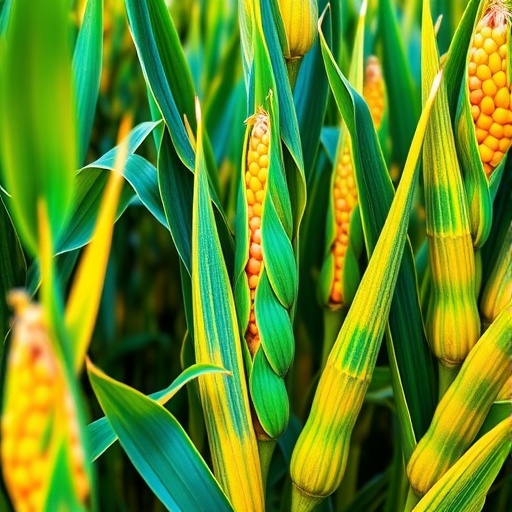
In recent years, the agricultural research sector has witnessed a remarkable evolution in the methodologies applied to plant phenotyping, particularly in maize cultivation. This transformation is fundamentally supported by advanced image analysis techniques, which have emerged as pivotal tools in understanding the phenotypic variations essential for crop improvement. A systematic review conducted by researchers Sandhya and Venkataramana delves deep into the recent advancements in this field, providing invaluable insights into how these techniques enhance maize research and potentially revolutionize agricultural practices.
Image analysis techniques utilized in phenotyping involve sophisticated algorithms and machine learning approaches that facilitate the rapid assessment of plant traits. Traditional methods of phenotyping have often been time-consuming, relying on labor-intensive measurements and visual assessments that can lead to human error. However, the incorporation of digital imaging and automated analysis software has dramatically accelerated the data collection process. By leveraging high-resolution images, researchers can extract a plethora of morphological features with unprecedented accuracy and speed.
One of the standout advances in image analysis for maize phenotyping is the deployment of artificial intelligence (AI). AI algorithms, particularly deep learning models, have shown exceptional performance in recognizing and categorizing maize traits such as leaf size, plant height, and ear development. These algorithms can process thousands of images in a fraction of the time it would take a human researcher, enabling large-scale studies that were previously inconceivable. This ability to handle big data is critical in an era where researchers seek to understand the complexities of maize genetics and the environmental factors that influence growth.
Another significant technological advancement highlighted in the review is the use of drone-based imaging systems. Drones equipped with multispectral and hyperspectral cameras capture data from multiple wavelengths, providing insights into plant health and stress responses. This aerial perspective allows for the monitoring of large fields with efficiency, making it easier to identify variations in crop performance across different areas. By integrating drone-collected data with ground-truth measurements, researchers can develop comprehensive models that predict yield outcomes based on phenotypic observations.
The review also emphasizes the importance of software tools developed for image analysis in the context of maize phenotyping. Platforms such as ImageJ and PlantCV offer researchers user-friendly interfaces to apply image processing techniques, enabling them to quantify traits such as leaf area index, chlorophyll content, and canopy structure. The accessibility of these tools democratizes advanced phenotyping, allowing a broader spectrum of researchers to apply complex image analysis techniques without the need for extensive training in computational fields.
Furthermore, the integration of image analysis with genomics promises a synergistic approach to maize research. By correlating phenotypic data obtained through image analysis with genotypic information, researchers can uncover relationships that elucidate the genetic basis of specific traits. These insights are crucial for enhancing breeding programs aimed at developing maize varieties that are not only high-yielding but also resilient to climate change and various biotic stresses.
However, the advancement of image analysis techniques is not without challenges. The review acknowledges that issues related to data quality, algorithm robustness, and standardization of measurement protocols present hurdles to widespread adoption. Ensuring that image analysis systems produce reliable and repeatable results is paramount, as inconsistencies can lead to misinterpretations of phenotypic performance and influence breeding decisions. Ongoing efforts to refine these tools and establish best practices are essential for the future success of the methodologies.
Ethical considerations around data ownership and sharing are also highlighted in this systematic review. As research becomes increasingly data-driven, the question of who owns the data generated through these technologies emerges. It is vital for the scientific community to establish guidelines that promote transparency and collaboration while protecting the intellectual contributions of researchers.
The potential applications of these advanced image analysis techniques extend beyond traditional research settings. Agricultural extension services can benefit from the rapid assessment capabilities of these technologies, enabling farmers to make data-informed decisions regarding crop management practices. Real-time monitoring of crop health can lead to timely interventions, thereby optimizing resource use and enhancing overall yield.
Moreover, the global implications of improved maize phenotyping are profound. Maize is a staple crop in many countries, serving as a primary food source as well as a key component in livestock feed and biofuel production. By accelerating the development of resilient maize varieties through enhanced phenotyping, researchers can contribute to food security efforts in regions that face the adverse effects of climate change.
In conclusion, the systematic review by Sandhya and Venkataramana encapsulates the transformative potential of image analysis techniques in maize phenotyping. As these technologies continue to evolve, they promise to usher in a new era of precision agriculture, where data-driven insights lead to improved crop management practices. The convergence of imaging technology, AI, and genomics offers a compelling vision for future agricultural research that is not only efficient but also impactful on a global scale.
The insights gained from this review underscore the importance of continued investment in research that bridges the gap between technology and agriculture. As we face the challenges of feeding a growing population while conserving our natural resources, embracing innovative approaches in plant phenotyping will be crucial for sustainable agricultural practices moving forward.
Cite Scienmag News
Alan Morgan. (November 19, 2025). New Insights in Maize Phenotyping via Image Analysis. Scienmag. https://scienmag.com/new-insights-in-maize-phenotyping-via-image-analysis/
Alan Morgan. "New Insights in Maize Phenotyping via Image Analysis." Scienmag, 19 November 2025, https://scienmag.com/new-insights-in-maize-phenotyping-via-image-analysis/. Accessed 6 September 2026.
Alan Morgan. "New Insights in Maize Phenotyping via Image Analysis." Scienmag. November 19, 2025. https://scienmag.com/new-insights-in-maize-phenotyping-via-image-analysis/


