


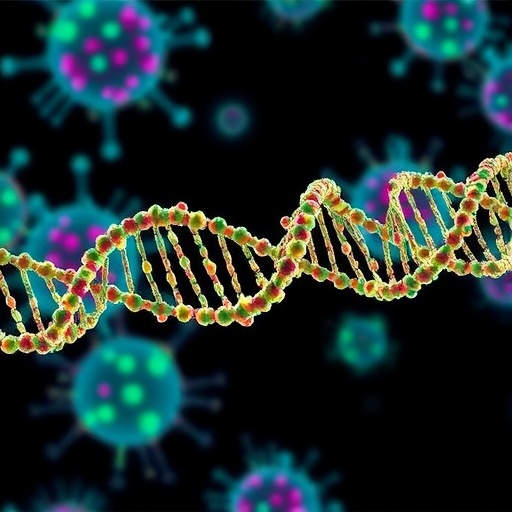
In an extraordinary leap forward for cell biology and immunology, researchers from The University of Tokyo have unveiled a previously unknown cellular process, termed nucleocytosis, that challenges longstanding dogmas about nuclear integrity and immune system activation. This groundbreaking discovery highlights a sophisticated mechanism by which immune cells extract nuclear DNA from dying cells, not through the conventional destruction of the nuclear envelope or wholesale phagocytosis, but via a controlled and highly regulated extraction method. The implications for understanding immune signaling, inflammation, and myriad immune-related diseases are profound, promising to reshape basic biological concepts and therapeutic strategies.
For decades, the nucleus has been viewed as an impregnable citadel within cells, sequestering genetic material behind a robust nuclear envelope that only dissolves during mitosis or under pathological rupture. The prevailing belief held that release of nuclear content inevitably represented cellular damage or death. However, the investigative team led by Professor Ken J. Ishii questioned this rigid paradigm. Their curiosity was piqued during studies probing immune cell interactions with dying cells, where advanced fluorescence microscopy revealed an unexpected extraction of nuclear DNA, independent of classical nuclear membrane breakdown or complete cell engulfment.
This newly characterized phenomenon, nucleocytosis, involves immune cells actively pulling nuclear DNA from apoptotic or necrotic cells through mechanisms that preserve much of the dying cell’s structural integrity. The process is repeatable, stimulus-dependent, and notably distinct from known cellular clearance methods. Extensive imaging and molecular tracking confirmed that nuclear DNA, rather than cytoplasmic or other cellular debris, was specifically targeted and extracted from compromised nuclei, suggesting an evolved immune strategy rather than collateral damage.
The discovery was not serendipitous but emerged from a rigorous experimental framework combining live-cell imaging, molecular tagging, and immune cell functional assays. Dr. Hideo Negishi, a co-lead on the project, explained that detecting nucleocytosis required fine spatiotemporal resolution to capture transient interactions between immune and dying cells. These data revealed that the immune cells deploy specialized molecular machinery capable of piercing the nuclear envelope without catastrophic destruction, enabling a selective DNA retrieval that facilitates subsequent immune signaling events.
Analyzing the downstream effects of nucleocytosis, the team uncovered that the exported nuclear DNA serves as a potent activator of the cGAS-STING pathway, a critical cytosolic DNA sensing mechanism that triggers type I interferon production. This immune cascade, pivotal for antiviral responses and inflammation, highlights nucleocytosis as a frontline communication system where nuclear DNA extracted from damaged cells acts as a molecular alarm, potentiating immune activation and shaping inflammatory microenvironments. Such refined control proposes a deliberate immunological role rather than an incidental byproduct of cell death.
The implications of nucleocytosis extend into pathological contexts including autoimmunity, infectious diseases, and oncogenesis. Aberrant recognition or regulation of self-DNA can precipitate autoimmune flare-ups, while impaired nucleocytosis might undermine pathogen detection or tumor surveillance. By delineating this pathway, researchers envision novel therapeutic avenues to modulate immune responses, potentially enabling precision targeting of DNA-mediated inflammatory signals to ameliorate chronic inflammatory disorders or enhance anti-cancer immunity.
Crucially, this revelation invites a reevaluation of textbook models of nuclear compartmentalization and immune system engagement. Nucleocytosis exemplifies a sophisticated cellular adaptation combining structural preservation with functional exchange, undermining classical simplifications wherein nuclear envelope breach inevitably equates to cell demise. The expanded understanding of nuclear-cytoplasmic interactions propels fundamental cell biology into uncharted territory, proposing nucleocytosis as a central player in immune regulation.
Professor Ken J. Ishii emphasized the clinical significance of these findings, noting how this process offers explanatory power for puzzling clinical observations related to self-DNA sensing and the innate immune system’s dual-edged sword. “Our work challenges the foundational view of nuclear DNA’s immunological status and suggests new molecular targets for addressing diseases where this balance is disrupted,” he remarked. Likewise, Dr. Negishi highlighted that nucleocytosis could serve as a missing link in understanding how self-DNA drives inflammation without causing wholesale cellular destruction.
The research team credited recent health crises such as the COVID-19 pandemic for motivating their exploration, underscoring the urgency in deciphering antiviral drug mechanisms at cellular and molecular levels. This discovery, therefore, not only enriches basic science but also aligns with translational goals aimed at improving therapeutic responses during viral infections and pandemics by leveraging immune system knowledge at the nuclear interface.
Moving forward, the authors anticipate that nucleocytosis will become an integral subject taught in advanced cell biology and immunology curricula, illustrating a novel principle of controlled nuclear content handling by immune cells. The broader scientific community will likely follow suit with accelerated investigations to map the molecular underpinnings, regulatory checkpoints, and pathological variations of this process across tissues and disease states.
Looking further ahead, the potential to harness nucleocytosis for clinical innovation is enormous. By designing drugs or biologics that modulate this pathway, it may be possible to calibrate immune activation with unprecedented precision, offering breakthroughs in treating autoimmune conditions, certain infections, and cancer. Such translational efforts will rely heavily on detailed mechanistic insights and likely drive a new generation of immunomodulatory therapies informed by nucleocytosis.
This seminal work was published on February 18, 2026, in Nature Communications, authored by a multidisciplinary team combining expertise across molecular biology, immunology, imaging, and clinical science. Their collaborative effort, supported by multiple Japanese science agencies and institutions, underscores the importance of cross-disciplinary approaches in uncovering complex biological phenomena with clinical relevance.
In essence, nucleocytosis represents a paradigm-shifting revelation within the life sciences. By uncovering a novel, active extraction of nuclear DNA by immune cells from dying neighbors, this study not only refines our understanding of nuclear dynamics and immune surveillance but also charts new directions for therapeutic innovation. As research into nucleocytosis intensifies, it promises to reveal deeper layers of immune regulation and open new frontiers in combating diseases rooted in immune dysfunction.
News Publication Date: 18-Feb-2026
Web References: http://dx.doi.org/10.1038/s41467-026-68839-w
References: DOI: 10.1038/s41467-026-68839-w
Cite Scienmag News
Drew Townsend. (February 25, 2026). New Cellular Mechanism Uncovered: How Immune Cells Harvest Nuclear DNA from Dying Cells. Scienmag. https://scienmag.com/new-cellular-mechanism-uncovered-how-immune-cells-harvest-nuclear-dna-from-dying-cells/
Drew Townsend. "New Cellular Mechanism Uncovered: How Immune Cells Harvest Nuclear DNA from Dying Cells." Scienmag, 25 February 2026, https://scienmag.com/new-cellular-mechanism-uncovered-how-immune-cells-harvest-nuclear-dna-from-dying-cells/. Accessed 4 September 2026.
Drew Townsend. "New Cellular Mechanism Uncovered: How Immune Cells Harvest Nuclear DNA from Dying Cells." Scienmag. February 25, 2026. https://scienmag.com/new-cellular-mechanism-uncovered-how-immune-cells-harvest-nuclear-dna-from-dying-cells/


