


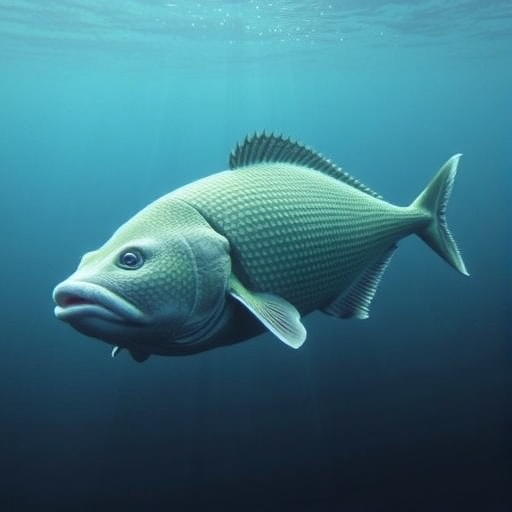
In a groundbreaking study, researchers led by V.K. Sinani and colleagues have unveiled the development and validation of a state-of-the-art 70K single nucleotide polymorphism (SNP) genotyping array specifically designed for the Atlantic halibut, or Hippoglossus hippoglossus. This innovation is set to illuminate genomic pathways, enhancing the understanding of genetic diversity within this commercially significant fish species.
Atlantic halibut, once abundant in the North Atlantic waters, has faced severe population declines due to overfishing and environmental changes. The use of genomic tools is now paramount for conservation efforts, as they provide insights into the underlying genetic architecture of populations. The 70K SNP array is not merely a technical advancement; it represents a pivotal shift in our ability to monitor and manage halibut stocks sustainably.
Through meticulous research methodologies, the team validated the SNP array, enabling the detection of genetic variations at an unprecedented scale. This innovative tool offers a comprehensive overview of the genetic make-up of Atlantic halibut, which is crucial for breeding programs aimed at enhancing favorable traits such as growth rate and disease resistance. The implications extend to ecological assessments, where genetic data can inform strategies for habitat restoration and management.
The array’s design incorporates a vast number of SNP markers, ensuring high-density genotyping across Atlantic halibut populations. This specificity facilitates high-quality genetic analysis, empowering researchers to investigate the population structure, gene flow, and adaptive potential of this economically valuable species. High-throughput sequencing technologies were pivotal in constructing the array, demonstrating how advancements in genomics can positively influence marine biology and conservation.
Data derived from the SNP array can be harnessed for various applications, including aquaculture. By identifying genetic markers associated with desirable traits, aquaculture practices can be optimized to produce healthier, more resilient fish. This move could lead to more sustainable seafood production, addressing both ecological concerns and market demands in a world where seafood consumption continues to rise.
The research emphasizes the importance of integrating genetic tools into practical applications for conservation management. Genetic assessments of Atlantic halibut populations can reveal historical patterns of overfishing, enabling regulators and stakeholders to establish informed management practices. Such evidence-based approaches are essential for fostering resilience in fish populations amidst global environmental changes.
Researchers conducted extensive validations of the SNP array under different genetic backgrounds to ensure its robustness. The validation process included assessing reproducibility and accuracy, crucial metrics for any genotyping tool intended for widespread use. The researchers demonstrated the array’s capabilities by applying it to various samples, reinforcing its reliability for future genetic studies on Atlantic halibut and potentially other flatfish species.
With the successful validation of the 70K SNP genotyping array, stakeholders in the fisheries sector now have a powerful tool at their disposal. Genetic insights can provide guidelines for selective breeding programs that prioritize sustainability while meeting consumer demands. This move not only supports the halibut population but also indicates a shift towards sustainable aquaculture practices in marine environments.
Moreover, the implications extend beyond individual species management. The tools developed through this research could serve as a framework for genomics initiatives in other species facing similar conservation challenges. The innovative practices in genomic research applied to Atlantic halibut lay a pathway toward broader applications in marine biology where genomic data can fuel effective conservation strategies.
The societal impact of such genomic innovations cannot be overstated. As the global population grows, seafood remains a primary protein source. The integration of genetic tools in discernible aquaculture practices can contribute to food security while mitigating the ecological footprint associated with fish farming. This study represents a convergence of science, technology, and sustainability, pushing the boundaries of traditional fisheries management.
In summary, the development and validation of the 70K SNP genotyping array for Atlantic halibut signify a monumental leap in genomic research. It stands as a prominent example of how next-generation sequencing technologies can regenerate our understanding of species genetics. The potential applications of this work are vast, paving the way for collaborative efforts among scientists, fishery managers, and policymakers to promote sustainable practices that could ultimately benefit marine ecosystems.
Ultimately, the research is positioned to foster a paradigm shift in how we approach conservation genetics in marine species. By leveraging the power of genomic data, stakeholders are poised to redefine management practices that align economic goals with ecological sustainability. This transformational work by Sinani and colleagues may catalyze similar endeavors across various fields of marine biology, making it an essential addition to the body of knowledge supporting responsible marine resource management. The outlook for Atlantic halibut seems brighter with such innovative developments paving the way for a sustainable future.
Sinani, V.K., Wilson, R.C., Nome, T. et al. Development and validation of a 70K SNP genotyping array for Atlantic halibut (Hippoglossus hippoglossus).
BMC Genomics 26, 924 (2025). https://doi.org/10.1186/s12864-025-12128-1
Cite Scienmag News
Juliet Wilcox. (October 16, 2025). New 70K SNP Array Developed for Atlantic Halibut. Scienmag. https://scienmag.com/new-70k-snp-array-developed-for-atlantic-halibut/
Juliet Wilcox. "New 70K SNP Array Developed for Atlantic Halibut." Scienmag, 16 October 2025, https://scienmag.com/new-70k-snp-array-developed-for-atlantic-halibut/. Accessed 4 September 2026.
Juliet Wilcox. "New 70K SNP Array Developed for Atlantic Halibut." Scienmag. October 16, 2025. https://scienmag.com/new-70k-snp-array-developed-for-atlantic-halibut/


