

Thursday, September 3, 2026
Science
No Result
View All Result
  • Login
  • HOME
  • SCIENCE NEWS
  • CONTACT US
  • HOME
  • SCIENCE NEWS
  • CONTACT US
No Result
View All Result
Scienmag
No Result
View All Result
Home Science News Psychology & Psychiatry

Neutrophil-HDL Ratio Links Abdominal Fat, Depression

October 29, 2025
in Psychology & Psychiatry
Glenn Wilkins
By Glenn Wilkins Scienmag Editorial Profile - Clinical Psychology
Reading Time: 3 mins read
0
Neutrophil-HDL Ratio Links Abdominal Fat, Depression
65
SHARES
594
VIEWS
Share on FacebookShare on Twitter
ADVERTISEMENT

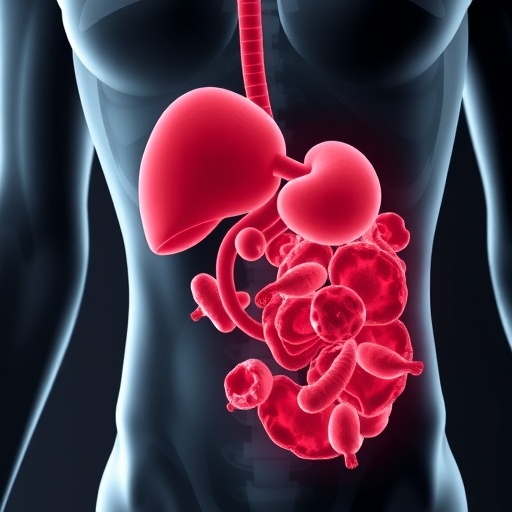
A groundbreaking study published in the latest volume of BMC Psychiatry has illuminated a fascinating biological link between abdominal fat distribution and depression, mediated through an innovative biomarker: the neutrophil-to-high-density lipoprotein cholesterol ratio (NHR). This research taps into complex metabolic and inflammatory pathways to propose a fresh angle on depression’s etiology, potentially reshaping future preventive and therapeutic strategies in mental health.

Depression, a pervasive and debilitating global health issue, has long been associated with various physiological and psychological factors. However, the precise biological mechanisms underpinning these associations remain elusive. The new study harnesses data from the National Health and Nutrition Examination Survey (NHANES), employing robust statistical modeling to dissect the nuanced relationship between fat accumulation in abdominal regions and the prevalence of depression among adults.

The research specifically scrutinizes two distinct adipose tissue compartments: subcutaneous adipose tissue index (SATI) and visceral adipose tissue index (VATI). Visceral fat, which envelops internal organs, has been implicated in metabolic dysfunctions more so than subcutaneous fat, which lies beneath the skin. The investigators sought to understand how these fat depots correlate with depressive symptoms, as measured by the Patient Health Questionnaire-9 (PHQ-9), a standard screening tool.

Intriguingly, analysis revealed a positive correlation between both SATI and VATI with depression, indicating that individuals with greater abdominal adiposity exhibited higher odds of depressive symptoms. Notably, VATI demonstrated a linear association with depression risk, implying a direct increase in depressive symptoms concomitant with visceral fat levels. In contrast, the SATI relationship was nonlinear, suggesting complexities in how subcutaneous fat impacts mental health.

The study’s pièce de résistance lies in unveiling the mediating role of the neutrophil-to-high-density lipoprotein cholesterol ratio (NHR), an emergent biomarker representing systemic inflammation and lipid metabolism. Neutrophils, a type of immune cell, contribute to inflammatory processes, whereas HDL cholesterol is recognized for its anti-inflammatory and protective cardiovascular functions. The ratio essentially reflects a balance between pro-inflammatory and anti-inflammatory states within the body.

Through sophisticated mediation analyses, the researchers demonstrate that NHR partially mediates the association between abdominal fat indices and depression. This finding underscores a plausible mechanistic pathway where excess abdominal fat promotes systemic inflammation, as indexed by NHR, thereby elevating depression risk. The results suggest that inflammation driven by fat accumulation could be a pivotal biological conduit influencing mental health.

Furthermore, subgroup analyses considering demographics, lifestyle habits, and comorbid conditions reinforced the robustness of these associations across diverse population segments. This comprehensive approach enhances confidence in the generalizability and clinical relevance of the findings, highlighting potential targets for intervention in both metabolic and psychiatric domains.

This paradigm-shifting research emboldens an integrated view of mental health that intertwines metabolic health, immune function, and psychological well-being. By spotlighting NHR as a potential biomarker, it paves the way for novel diagnostic and therapeutic avenues that transcend traditional psychiatric frameworks, incorporating cardiovascular and metabolic dimensions.

Crucially, these insights carry significant implications for public health policies and clinical practices. The feasibility of measuring NHR in routine health screenings, combined with monitoring abdominal fat accumulation, may facilitate early identification of individuals at heightened risk for depression, enabling preemptive interventions that address both physical and mental health holistically.

Despite the promising findings, the authors prudently acknowledge the cross-sectional design limits causal inference. Longitudinal studies and clinical trials are necessary to validate and extend these results and to explore whether modifying NHR or abdominal adiposity can effectively mitigate depression risk.

The interplay between metabolism, immunity, and mental health ever more clearly unravels through such pioneering investigations. As researchers continue to decipher these complex biological networks, the hope emerges for more personalized, mechanism-based approaches to preventing and treating depression—potentially transforming outcomes for millions worldwide.

These compelling findings represent a critical step toward elucidating the biochemical undercurrents linking body fat distribution to brain function. The delicate balance of inflammatory and lipid homeostasis, as captured by NHR, stands at the confluence of this emerging narrative, offering promising new biomarkers and therapeutic targets in psychiatry and beyond.

Ultimately, this study invigorates a multidisciplinary dialogue bridging endocrinology, immunology, and psychiatry. It challenges the scientific community to broaden perspectives on depression’s origins and to devise integrated strategies that consider the whole body’s role in mental health—heralding a new era of research and treatment paradigms grounded in the intimate crosstalk between the body and the mind.


Subject of Research: The interplay between abdominal fat distribution and depression, focusing on the mediating role of the neutrophil-to-high-density lipoprotein cholesterol ratio (NHR).

Article Title: Neutrophil-to-high-density lipoprotein cholesterol ratio (NHR) mediates the relationship between abdominal fat index and depression in a cross-sectional study.

Article References: Wang, Q., Luo, Q., & Tian, Z. (2025). Neutrophil-to-high-density lipoprotein cholesterol ratio (NHR) mediates the relationship between abdominal fat index and depression in a cross-sectional study. BMC Psychiatry, 25(1), Article 1035. https://doi.org/10.1186/s12888-025-07498-5

Image Credits: AI Generated

DOI: 10.1186/s12888-025-07498-5

Keywords: abdominal fat distribution and depression, adipose tissue and mental health, biological mechanisms of depression, biomarkers in psychiatric research, metabolic and inflammatory pathways in depression, National Health and Nutrition Examination Survey findings, neutrophil-to-HDL cholesterol ratio, obesity and mental health connections, Patient Health Questionnaire-9 analysis, subcutaneous fat and depression risk, therapeutic strategies for depression, visceral fat and psychological well-being

Cite Scienmag News

Glenn Wilkins. (October 29, 2025). Neutrophil-HDL Ratio Links Abdominal Fat, Depression. Scienmag. https://scienmag.com/neutrophil-hdl-ratio-links-abdominal-fat-depression/

Glenn Wilkins. "Neutrophil-HDL Ratio Links Abdominal Fat, Depression." Scienmag, 29 October 2025, https://scienmag.com/neutrophil-hdl-ratio-links-abdominal-fat-depression/. Accessed 3 September 2026.

Glenn Wilkins. "Neutrophil-HDL Ratio Links Abdominal Fat, Depression." Scienmag. October 29, 2025. https://scienmag.com/neutrophil-hdl-ratio-links-abdominal-fat-depression/


Tags: abdominal fat distribution and depressionadipose tissue and mental healthbiological mechanisms of depressionbiomarkers in psychiatric researchmetabolic and inflammatory pathways in depressionNational Health and Nutrition Examination Survey findingsneutrophil-to-HDL cholesterol ratioobesity and mental health connectionsPatient Health Questionnaire-9 analysissubcutaneous fat and depression risktherapeutic strategies for depressionvisceral fat and psychological well-being
Share26Tweet16
Previous Post

Bank vs. Firm: Paths to Sustainable Carbon Cuts

Next Post

Mapping Brain Recovery After Hypothalamic Surgery

Related Posts

Comprehension is in the Eye of the Reader: An Eye Tracking Study of Children and Adults
Psychology & Psychiatry

Comprehension is in the Eye of the Reader: An Eye Tracking Study of Children and Adults

September 3, 2026
Differential nodal topology in resting-state networks as a potential imaging marker for adolescent bipolar and depressive disorders
Psychology & Psychiatry

Differential nodal topology in resting-state networks as a potential imaging marker for adolescent bipolar and depressive disorders

September 3, 2026
Distinct therapeutic roles of diet control and exercise in metabolic disorder-related depression: insights from metabolic and gut microbiota signatures
Psychology & Psychiatry

Distinct therapeutic roles of diet control and exercise in metabolic disorder-related depression: insights from metabolic and gut microbiota signatures

September 3, 2026
Determinants of self-esteem among children in Jordan
Psychology & Psychiatry

Determinants of self-esteem among children in Jordan

September 3, 2026
Mental health knowledge, attitudes, and practices assessed among Jigawa State adults
Psychology & Psychiatry

Mental health knowledge, attitudes, and practices assessed among Jigawa State adults

August 31, 2026
Unequal Access: Barriers Hinder Teens’ Use of School-Based Mental Health Services
Psychology & Psychiatry

Unequal Access: Barriers Hinder Teens’ Use of School-Based Mental Health Services

August 31, 2026
Next Post
Mapping Brain Recovery After Hypothalamic Surgery

Mapping Brain Recovery After Hypothalamic Surgery

  • Mothers who receive childcare support from maternal grandparents show more optimized

    Mothers who receive childcare support from maternal grandparents show more parental warmth, finds NTU Singapore study

    27656 shares
    Share 11059 Tweet 6912
  • University of Seville Breaks 120-Year-Old Mystery, Revises a Key Einstein Concept

    1061 shares
    Share 424 Tweet 265
  • Bee body mass, pathogens and local climate influence heat tolerance

    682 shares
    Share 273 Tweet 171
  • Researchers record first-ever images and data of a shark experiencing a boat strike

    546 shares
    Share 218 Tweet 137
  • Groundbreaking Clinical Trial Reveals Lubiprostone Enhances Kidney Function

    531 shares
    Share 212 Tweet 133
Science

Embark on a thrilling journey of discovery with Scienmag.com—your ultimate source for cutting-edge breakthroughs. Immerse yourself in a world where curiosity knows no limits and tomorrow’s possibilities become today’s reality!

RECENT NEWS

  • Endoscopic robot with deep learning path planning for liver biopsy
  • Territory-specific CT perfusion tracks blood flow changes after chronic MCA revascularization
  • Cellulase production by Aspergillus niger using palm kernel cake in solid state fermentation
  • γδ T cells play dual roles in non-small cell lung cancer therapy

Categories

  • Agriculture
  • Anthropology
  • Archaeology
  • Athmospheric
  • Biology
  • Biotechnology
  • Blog
  • Bussines
  • Cancer
  • Chemistry
  • Climate
  • Earth Science
  • Editorial Policy
  • Marine
  • Mathematics
  • Medicine
  • Pediatry
  • Policy
  • Psychology & Psychiatry
  • Science Education
  • Social Science
  • Space
  • Technology and Engineering

Subscribe to Blog via Email

Enter your email address to subscribe to this blog and receive notifications of new posts by email.

Join 5,151 other subscribers

© 2025 Scienmag - Science Magazine

Welcome Back!

Login to your account below

Forgotten Password?

Retrieve your password

Please enter your username or email address to reset your password.

Log In
No Result
View All Result
  • HOME
  • SCIENCE NEWS
  • CONTACT US

© 2025 Scienmag - Science Magazine

Discover more from Science

Subscribe now to keep reading and get access to the full archive.

Continue reading