


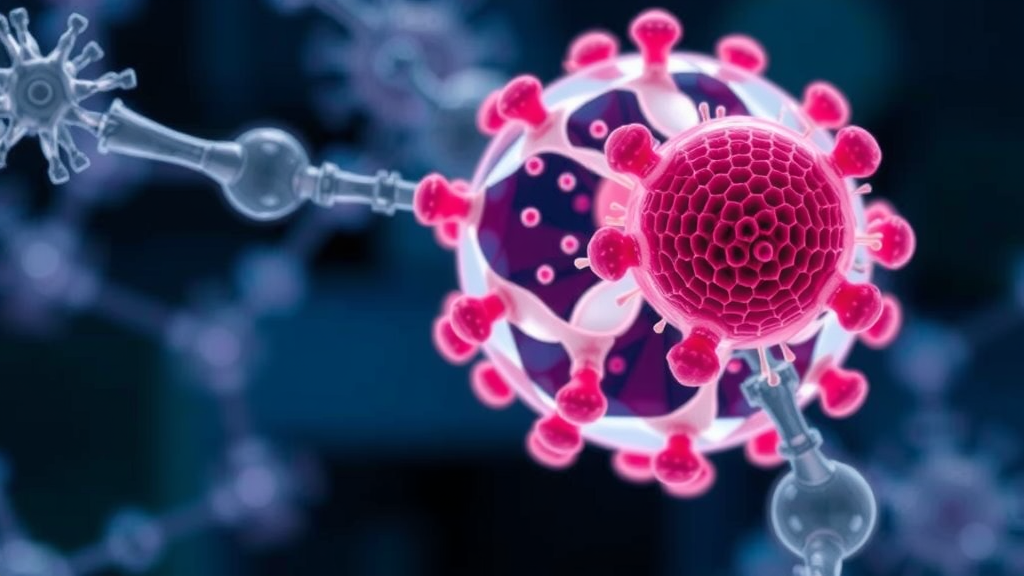
Nanomedicine has come a long way from its early role as an experimental toolbox for ferrying drugs through the bloodstream. A sweeping new perspective published in the journal Biomedical Microdevices argues that the field has matured into a clinically validated enabling technology, one that now spans implantable devices, engineered cells, biomimetic vaccines and even living therapeutics that produce medicines inside the body. Drawing on developments showcased at the NanoDDS 2025 conference, the authors chart a discipline that no longer merely packages drugs but actively orchestrates immunity, edits genes, and restores cellular metabolism.
The foundations of this transformation are already established in the clinic. Liposomal doxorubicin and albumin-bound paclitaxel became FDA-approved cancer therapeutics decades ago, improving tolerability and therapeutic index for patients. The decisive proof of concept, however, came with the lipid nanoparticle platforms that enabled the rapid development and global deployment of mRNA vaccines against SARS-CoV-2. According to the authors, these milestones demonstrate not only that nanomedicine works, but that nanoscale engineering can accelerate the translation of advanced therapeutics, reshape response profiles, reduce toxicity and make molecular modalities previously infeasible in vivo a practical reality.
One of the most striking frontiers described in the perspective is the use of living cells as delivery vehicles. Rather than fighting the body’s biological barriers with synthetic materials alone, researchers are now exploiting them. Nanoparticles can hitchhike on red blood cells, dramatically reducing clearance by the liver and spleen while extending circulation time, and in some designs depositing their cargo preferentially in the lungs through contact-mediated dislodging from the cell surface. Discoidal polymer particles known as cellular backpacks ride on macrophages, monocytes, T cells, neutrophils and B cells, modulating immune cell behavior in applications ranging from cancer to multiple sclerosis and traumatic brain injury. These hybrid systems combine the precision of engineered materials with the navigation skills of the body’s own cells.
Immunology is emerging as a central arena for this new generation of nanotechnologies. Cell membrane–coated nanoparticles, or CNPs, wrap synthetic cores in natural cellular membranes, presenting native antigen repertoires that conventional vaccines struggle to replicate. Cancer cell membrane–coated particles elicit potent antitumor immunity, while bacterial outer membrane vesicle platforms preserve pathogen-associated molecular patterns to generate broad-spectrum protection, including against antimicrobial-resistant strains. Nanotoxoids take this further, detaining bacterial toxins on nanoparticle surfaces so the immune system can safely learn their shapes. Advances in membrane genetic engineering and modular linker chemistry are now turning these platforms into rapidly customizable, scalable vaccine systems.
Perhaps the most futuristic concept described is the living pharmacy: implanted, encapsulated cells that continuously manufacture biologics inside the body. The recent FDA approval of Neurotech’s ENCELTO, an encapsulated allogeneic cell therapy implanted in the eye, anchors the feasibility of the approach. Modern platforms combine synthetic biology programs that control what cells produce, biomaterials that tame the foreign body response while allowing oxygen and nutrient exchange, and device interfaces offering retrievability and external control, including electro- and optogenetic actuation. Key challenges ahead include improving volumetric efficiency, ensuring predictable dosing behavior and demonstrating durable performance in large-animal models.
On the cancer front, the perspective highlights how macrophages, long viewed as obstacles that clear nanoparticles from circulation, are being reprogrammed into therapeutic partners. Ultrasound-guided platforms deliver STING agonists directly to antigen-presenting cells, while constructs that disrupt the CD47 ‘don’t eat me’ signal enable macrophage-mediated tumor cell phagocytosis. Blocking the MARCO receptor reduces hepatic sequestration of nanoparticles, boosting tumor accumulation. In hypovascularized breast cancer liver metastases, redirecting albumin-bound paclitaxel transport toward macrophages significantly improves therapeutic outcomes in a setting where conventional intravenous delivery largely fails. Implantable nanofluidic drug-eluting seeds add another layer of control, sustaining localized intratumoral immunotherapy for more than four weeks and converting immunologically cold tumors into hot ones at a fraction of the systemic dose.
Polymer chemistry is advancing carrier performance in parallel. Poly(2-oxazoline) and poly(2-oxazine) micelles achieve drug loads ten to one hundred times higher than traditional micelles, enabling intravenous formulations with minimal excipient content. The first POx-based medical product, a hemostatic sealing patch, received European approval in 2023, and the absence of preexisting anti-POx antibodies makes these polymers attractive alternatives to polyethylene glycol, which is increasingly associated with immunogenicity. Vascular-confined discoidal nanoconstructs carrying tissue plasminogen activator, meanwhile, recanalize roughly ninety percent of occluded venules in mouse models compared with about forty percent for free tPA, while preserving neurological outcomes and improving survival in stroke models.
Gene and RNA nanotherapies represent another pillar of the expanded field. In vivo CRISPR delivery via lipid nanoparticles aims to democratize access to genetic cures, bypassing the roughly 2.2 million dollar per patient cost of autologous ex vivo editing. Mesoscale nanoparticles of 300 to 500 nanometers selectively target the renal proximal tubule, delivering siRNAs and mRNAs for kidney diseases that have historically been inaccessible to systemic RNA therapeutics. In the liver, a strategy termed Repair Drive uses transient siRNA inhibition of an essential gene to eliminate unedited hepatocytes, expanding precisely corrected cells from less than one percent to approximately twenty-five percent of the liver. Transient telomerase mRNA delivered by lipid nanoparticles is showing promise for protecting skin from radiation-induced DNA damage, operating through genome and mitochondrial maintenance rather than telomere extension.
The perspective also documents a radical extension of the concept: therapeutics built from organelles and biological vesicles themselves. Extracellular vesicles from brain endothelial cells carry functional mitochondria and, when administered intravenously after stroke in mice, significantly reduce brain infarct volume and improve neurological function. Exogenous mitochondrial transfer into plaque macrophages reduces atherosclerotic burden and improves markers of fatty liver disease, positioning mitochondrial transplantation as an emerging metabolic nanotherapy. Hybrid vesicles that merge extracellular vesicle targeting with synthetic liposome stability offer enhanced tumor accumulation with improved scalability over native EV preparations.
The authors close with a vision of a modular nanomedicine ecosystem in which nanoparticles behave like cells, cells function as therapeutic devices, devices operate as immunomodulators, and imaging technologies evolve into pharmacologic tools. Realizing that vision, they emphasize, will require manufacturing and quality-by-design frameworks that embed reproducibility, safety and scalability from the outset, translating laboratory ingenuity into clinical-grade platforms capable of sensing, computing and responding to disease in real time.
Subject of Research: The expansion of nanomedicine beyond drug carriers into implantable devices, cell-based systems and living therapeutics
Article Title: Nanomedicine beyond carriers — devices, cells & living therapeutics
Article References: Grattoni, A., Paci, M. M., Arnold, N., Aryal, S., Artzi, N., Bao, G., Barcena, A. J. R., Bentov-Arava, E., Blanco, E., Chua, C. Y. X., Corradetti, B., Cryer, A. M., Decuzzi, P., De Giorgi, M., Fell, C., Gao, W., Govindaswamy, B., Jiang, W., Kara, G., … Godin, B. (2026). Nanomedicine beyond carriers — devices, cells & living therapeutics. Biomedical Microdevices, 28(3), Article 65. https://doi.org/10.1007/s10544-026-00836-8
Image Credits: AI Generated
DOI: 10.1007/s10544-026-00836-8
Keywords: nanomedicine, drug delivery, lipid nanoparticles, mRNA vaccines, cell membrane-coated nanoparticles, immunotherapy, living pharmacies, CRISPR, extracellular vesicles, mitochondrial transfer, nanofluidic implants, poly(2-oxazoline)
Cite Scienmag News
Juliet Wilcox. (September 12, 2026). Nanomedicine Moves Beyond Drug Carriers Into Devices, Cells and Living Therapies. Scienmag. https://scienmag.com/nanomedicine-moves-beyond-drug-carriers-into-devices-cells-and-living-therapies/
Juliet Wilcox. "Nanomedicine Moves Beyond Drug Carriers Into Devices, Cells and Living Therapies." Scienmag, 12 September 2026, https://scienmag.com/nanomedicine-moves-beyond-drug-carriers-into-devices-cells-and-living-therapies/. Accessed 4 October 2026.
Juliet Wilcox. "Nanomedicine Moves Beyond Drug Carriers Into Devices, Cells and Living Therapies." Scienmag. September 12, 2026. https://scienmag.com/nanomedicine-moves-beyond-drug-carriers-into-devices-cells-and-living-therapies/


