


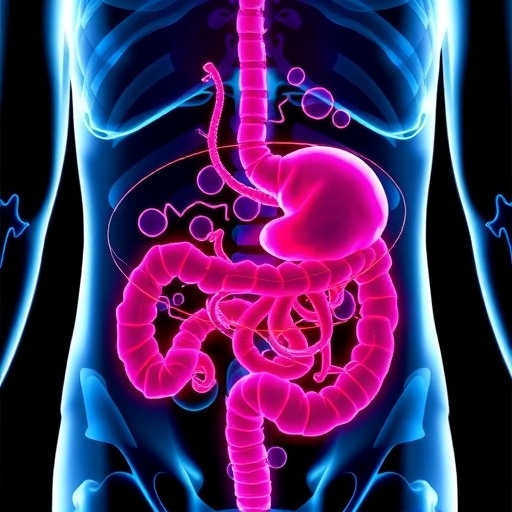
In a groundbreaking study emerging from the Massachusetts Institute of Technology, scientists have uncovered the remarkable capacity of the amino acid cysteine to catalyze intestinal regeneration through modulation of immune pathways. This discovery highlights cysteine’s role beyond its conventional function as a structural protein component, opening new vistas in regenerative medicine, particularly for patients suffering from intestinal damage due to radiation or chemotherapy.
The intricate dynamics of intestinal healing have long challenged researchers, with few known interventions capable of stimulating stem cell regeneration in the gut lining. The MIT study provides compelling evidence that dietary cysteine can activate a signaling cascade involving immune cells that foster the proliferation and rejuvenation of intestinal stem cells. This insight emerged from meticulous experiments conducted on murine models, where the effects of cysteine-enriched diets were systematically evaluated against a spectrum of amino acids.
Central to the findings is the activation of a distinct population of immune cells known as CD8+ T cells. Normally recognized for their cytotoxic functions within adaptive immunity, these cells reveal an unexpected dimension by producing the cytokine interleukin-22 (IL-22) when stimulated by cysteine-derived metabolites. IL-22 serves as a pivotal mediator for intestinal stem cell proliferation, orchestrating tissue repair and barrier maintenance. The study elucidates that the metabolite coenzyme A (CoA), synthesized locally from cysteine absorbed by the intestinal lining, acts as the critical intermediary stimulating CD8+ T cell expansion and IL-22 secretion.
This discovery overturns previous assumptions in immunology and regenerative biology, as CD8+ T cells were not traditionally associated with IL-22 production in gut physiology. By demonstrating a diet-induced immune modulation pathway, the research delineates a novel interface between nutrition, immunity, and tissue regeneration. It is notable that this effect is pronounced predominantly in the small intestine, consistent with this region being the principal site for amino acid absorption, thereby suggesting a spatially localized mechanism driven by nutrient bioavailability.
The clinical implications are profound, offering a potential adjunct to conventional therapies for cancer patients undergoing radiation or chemotherapy, both of which commonly induce deleterious intestinal injuries. The study confirmed that a cysteine-rich diet markedly improved recovery rates in mice exposed to radiation and chemotherapy drugs such as 5-fluorouracil, underscoring the therapeutic promise of diet-based interventions in mitigating treatment-related mucosal damage.
Cysteine is abundantly available in various high-protein dietary sources including meats, dairy products, legumes, and nuts. Intriguingly, while endogenous cysteine synthesis through liver metabolism is well-documented, the research underscores that dietary cysteine has a distinctive advantage in concentrating its regenerative effects within the gut due to direct mucosal exposure. This localized abundance catalyzes the immunomodulatory processes critical for stem cell activation and tissue repair, contrasting with systemic cysteine distribution which dilutes this potential.
The biochemical pathways detailed in the study highlight the importance of CoA as a metabolic signal that bridges cysteine intake with immune cell function. By elaborating this metabolic transformation and subsequent immune activation, the research opens avenues for developing targeted nutritional strategies and possibly adjunctive supplement formulations aimed at enhancing intestinal health and resilience during cancer treatment or inflammatory bowel conditions.
Beyond the intestinal milieu, the researchers are exploring whether cysteine’s regenerative nexus extends to other stem cell populations and organs. Preliminary investigations suggest cysteine may have hair follicle regenerative properties, hinting at a broader scope of influence across different tissue types. This prospective research trajectory aims to unravel how amino acid metabolism intersects with stem cell biology and tissue-specific regenerative processes in complex multicellular systems.
The study also reinvigorates interest in the metabolic regulation of immune cell fate and function. By demonstrating a direct line from nutrient uptake to immune-mediated tissue regeneration, the findings raise intriguing questions about the role of diet in modulating immune landscapes systemically. Such an understanding could redefine strategies in health maintenance, disease prevention, and recovery therapies centered on dietary modulation of immune responses.
Historically, dietary interventions in stem cell biology have been limited to examining effects at a macro level such as overall caloric restriction or specific diet types like ketogenic or fasting regimens. This research pioneers an amino acid-level scrutiny, identifying cysteine as a molecular lever capable of modulating stem cell fate decisions. It invites a paradigm shift toward elucidating the discrete effects of individual nutrients on cellular and molecular pathways governing tissue homeostasis and regeneration.
The potential to harness a naturally occurring dietary compound to enhance stem cell regeneration presents an elegant, low-risk clinical strategy with minimal side effects compared to synthetic molecular therapeutics. This is especially significant considering the vulnerable populations who might benefit most—patients recovering from intestinal injuries induced by cancer therapies. By offering a mechanism grounded in natural physiology and dietary components, the findings promise an accessible and implementable intervention aligned with precision nutrition and personalized medicine paradigms.
Moving forward, the researchers emphasize the necessity for clinical trials in humans to validate the translatability of these findings. Should similar immune and regenerative mechanisms be operative in human intestinal tissue, the implications for oncology, gastroenterology, and regenerative medicine could be transformative. Additionally, ongoing studies aim to catalog other amino acids with potential regenerative effects, further expanding the nutrient-immune-stem cell axis as a fertile ground for biomedical innovation.
Funded by numerous prestigious institutions including the National Institutes of Health and the MIT Stem Cell Initiative, the study published in Nature on October 1, 2025, represents a major leap in understanding how diet influences regeneration at the cellular and molecular level. It integrates cutting-edge immunology, metabolism, and stem cell biology, offering a multidisciplinary blueprint for leveraging nutrition to unlock innate healing capacities.
As the scientific community digests these findings, the prospect of dietary amino acids orchestrating stemness and healing reshapes established notions of diet’s role in health beyond energy and macronutrient balance. By elucidating an immune-mediated regenerative pathway harnessed by cysteine, this research heralds a new era emphasizing the nuanced biochemical interactions between food, immunity, and tissue regeneration, promising tangible benefits for patients while inspiring further inquiry into the molecular choreography underlying diet-driven healing.
News Publication Date: 1-Oct-2025
Web References: DOI: 10.1038/s41586-025-09589-5
Cite Scienmag News
Daisy Hatcher. (October 1, 2025). MIT Study Finds Cysteine-Rich Diet Supports Intestinal Lining Regeneration. Scienmag. https://scienmag.com/mit-study-finds-cysteine-rich-diet-supports-intestinal-lining-regeneration/
Daisy Hatcher. "MIT Study Finds Cysteine-Rich Diet Supports Intestinal Lining Regeneration." Scienmag, 1 October 2025, https://scienmag.com/mit-study-finds-cysteine-rich-diet-supports-intestinal-lining-regeneration/. Accessed 3 September 2026.
Daisy Hatcher. "MIT Study Finds Cysteine-Rich Diet Supports Intestinal Lining Regeneration." Scienmag. October 1, 2025. https://scienmag.com/mit-study-finds-cysteine-rich-diet-supports-intestinal-lining-regeneration/


