A 15-week feeding trial involving 105 crossbred growing-finishing pigs has found that supplementing diets with micelle quercetin, a nanoencapsulated form of the plant flavonoid derived from Sophora japonica extract, did not significantly improve growth performance, nutrient digestibility, manure gas emissions, or fecal consistency. The only notable change emerged in the blood: pigs receiving the higher dose of 500 mg/kg showed significantly elevated serum bile acid concentrations compared with those receiving 250 mg/kg, while liver enzymes aspartate aminotransferase (AST) and alanine aminotransferase (ALT) remained unchanged and within normal physiological ranges, indicating no signs of liver toxicity during the trial period.
The study, approved by the Animal Care and Ethics Committee at Dankook University in South Korea under approval number DK-1-2130, addressed a pressing question in modern swine production. With antimicrobial resistance concerns and regulatory restrictions driving the search for alternatives to antibiotic growth promoters, phytogenic compounds such as quercetin have attracted considerable attention. Quercetin, a natural flavonoid widely found in fruits and vegetables, exhibits strong antioxidant, anti-inflammatory, and antimicrobial properties that could, in principle, enhance gut health, immune function, and overall growth performance in pigs. Yet its application in livestock production, particularly for growing-finishing pigs, has remained underexplored, and one persistent obstacle has been the compound’s poor bioavailability, which limits its effectiveness in vivo.
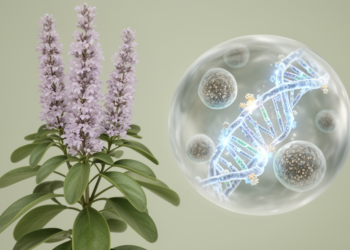
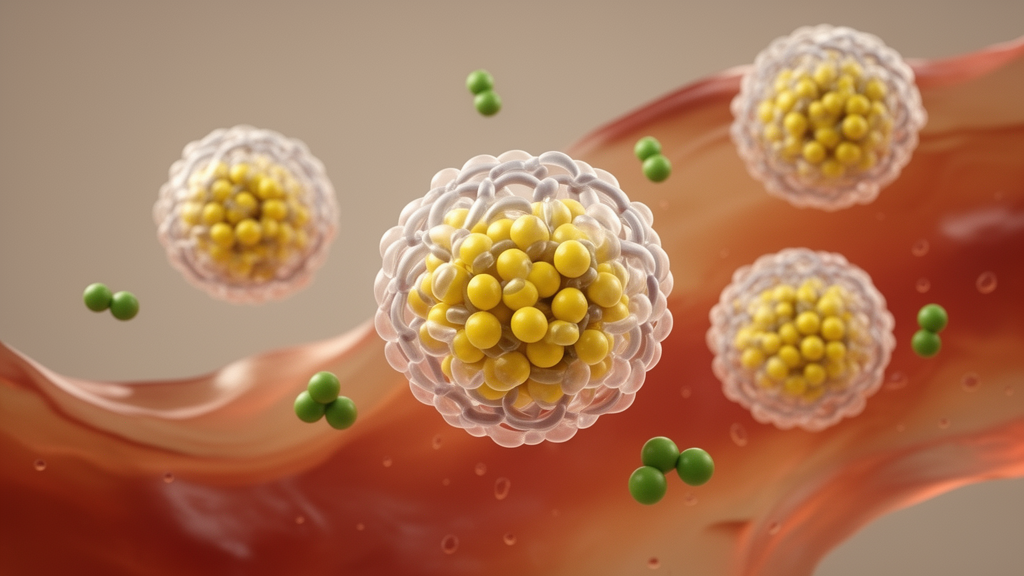
To overcome that obstacle, the researchers turned to micelle technology. Quercetin powder of 97 percent purity was dispersed in an aqueous solution containing food-grade emulsifiers and surfactants and subjected to high-shear homogenization to form nanoscale micelles. A representative formulation protocol dissolves approximately 300 mg of quercetin into an oil phase of 3 g of caprylic/capric triglyceride, blended with 3 g of Tween 80 at 65 degrees Celsius for one hour, then combined with an aqueous phase supplemented with soy lecithin and sodium alginate for stability. Homogenization with a high-speed device at 12,000 to 14,500 rpm for four minutes, performed in an ice bath to prevent thermal degradation, yields particles whose mean hydrodynamic diameter typically falls between 20 and 150 nanometers. Dynamic light scattering confirmed the nanoscale formation, and zeta potential analysis, with values in the range of roughly minus 20 to minus 30 millivolts, indicated strong electrostatic repulsion between micelles that prevents aggregation over time. The final formulation contained at least 20 percent micellar quercetin with 2 percent active quercetin, although encapsulation efficacy was not directly measured in the study.
The experiment itself followed a randomized complete block design stratified by sex and initial body weight. The 105 pigs, crossbreds of Landrace, Yorkshire, and Duroc with an average starting body weight of 24.3 plus or minus 3.51 kg, were assigned to three dietary treatments with seven pens per treatment and five pigs per pen, each pen holding three gilts and two barrows. Diets were prepared in mash form according to NRC 2014 nutrient recommendations and delivered in three phases: grower from weeks 0 to 5, early finisher from weeks 6 to 10, and late finisher from weeks 11 to 15. The control group received the basal diet, while the two treatment groups received the basal diet supplemented with either 250 mg/kg or 500 mg/kg of micelle quercetin. Animals were housed in a temperature-controlled facility with unrestricted access to feed and water.
Despite the enhanced delivery system, growth metrics told a story of no effect. Body weight measured at baseline and at weeks 5, 11, and 15 did not differ significantly among treatments, with final weights of 106.55 kg for the control, 108.18 kg for the low-dose group, and 108.88 kg for the high-dose group. Average daily gain, average daily feed intake, and gain-to-feed ratio likewise showed no significant differences across any feeding phase or overall, with all p-values exceeding 0.05. The authors note that the study had sufficient statistical power for moderate effects, meaning small effects may have gone undetected. These findings contrast with earlier research: piglets fed 400 mg/kg of conventional quercetin showed higher final body weight and average daily gain, broiler chickens responded to doses of 200 to 800 ppm, and pigs supplemented with 25 mg/kg exhibited improved average daily gain in other work.
The researchers suggest that improved bioavailability alone may not be sufficient to elicit measurable growth improvements under these experimental conditions. Growth responses to quercetin are likely shaped by multiple factors, including the physiological status of the animals, supplementation dose, feeding duration, basal diet composition, and the biological activity of the formulation. Dietary fat may also matter, since quercetin bioavailability has been reported to be significantly greater when diets contain 17 percent fat compared with only 3 percent. However, the study did not measure quercetin bioavailability directly, so the authors caution that the relatively low dietary fat content of roughly 4.9 to 5.2 percent, although representative of practical grower-finisher production, cannot be concluded to be the primary reason for the absence of growth responses. Differences among studies are more plausibly related to quercetin form, dose, or experimental conditions rather than fat content alone.
Nutrient digestibility measurements reinforced the null result. Using chromium oxide as an indigestible marker included at 0.20 percent in the diets, the team assessed apparent total tract digestibility of dry matter, nitrogen, and gross energy in fecal samples collected at the end of week 15. Digestibility of dry matter ranged from 70.42 to 71.01 percent, nitrogen from 68.55 to 68.81 percent, and digestible energy from 69.42 to 69.93 percent, with no significant treatment effects. The authors point to possible explanations, including evidence that certain dietary phytochemicals can modulate enteric neural signaling and smooth muscle activity, thereby enhancing gastrointestinal motility and accelerating intestinal transit in ways that may limit nutrient absorption. A low dose of quercetin has also previously shown no significant effect on nutrient digestibility in pigs, consistent with the present findings.
Manure gas emissions and fecal consistency similarly resisted change. Fresh fecal samples incubated in sealed perforated containers for 48 hours showed no significant differences in ammonia, hydrogen sulfide, methyl mercaptans, acetic acid, or carbon dioxide concentrations among treatments, with carbon dioxide levels around 15,000 ppm in all groups. Because gas emissions are closely linked to nutrient digestibility and microbial fermentation in the gut, the absence of digestibility improvement likely contributed to the unchanged gas output. Fecal scores, assessed twice daily during weeks 1, 5, 10, and 15 on a five-point scale from hard, dry pellets to watery liquid, hovered around 3.15 to 3.26 across all groups and weeks, indicating that micelle quercetin did not impair intestinal function or tolerance. The authors emphasize a key limitation: the study did not include microbial community analysis, so no conclusions can be drawn about potential microbiota shifts, and further studies are needed to clarify how dietary flavonoids might influence fermentation profiles and gaseous emissions in swine.
The blood profile results provided the trial’s most intriguing signal. Serum bile acid concentration was significantly influenced by treatment, with the 500 mg/kg group averaging 29.25 micromoles per liter, significantly higher than the 22.72 micromoles per liter observed in the 250 mg/kg group, while the control value of 26.37 micromoles per liter did not differ significantly from either treatment. The response was quadratic rather than linear. Serum AST and ALT activities remained unchanged and within normal physiological ranges reported for healthy pigs, supporting the absence of hepatic toxicity. The authors note that flavonoids like quercetin are known to interact with nuclear receptors such as the farnesoid X receptor, which regulates bile acid synthesis and cholesterol homeostasis, but because the study did not directly assess FXR activity, this mechanistic explanation should be interpreted cautiously. They also caution that although liver enzyme levels did not indicate acute hepatic stress, sustained elevations in bile acids could potentially affect liver function over time, since excessive bile acid accumulation can contribute to oxidative stress and inflammation in hepatic tissues. The micellar formulation likely improved quercetin’s bioavailability compared with its conventional form, possibly exceeding an optimal physiological threshold at the higher dose, underscoring the importance of dose consideration.
The study’s limitations extend beyond the missing microbiome and bioavailability data. The bile acid response, while statistically significant, was modest and not consistently different from the control group, limiting the strength of biological interpretation, and complete sex balance across treatments was not strictly controlled. Overall, the trial concluded that micelle quercetin at 250 and 500 mg/kg did not significantly influence growth performance, nutrient digestibility, fecal consistency, or gaseous emissions in growing-finishing pigs, but may affect hepatic metabolism without causing liver toxicity. The authors recommend further research to clarify the metabolic role of micelle quercetin, enhance its bioavailability, and investigate its impact on liver function and related molecular pathways, including transcriptomic or proteomic analyses that could reveal whether FXR-mediated signaling is genuinely involved.
Subject of Research: Effects of dietary micelle quercetin supplementation on growth, digestibility, gas emission, fecal score, and blood profile in growing-finishing pigs
Article Title: The Effect of Dietary Micelle Quercetin Supplementation on Growth Performance, Nutrient Digestibility, Gas Emission, Fecal Score, and Blood Profile in Growing‐Finishing Pigs
Article References: Ahammad, G. S., & Kim, I. H. (2026). The Effect of Dietary Micelle Quercetin Supplementation on Growth Performance, Nutrient Digestibility, Gas Emission, Fecal Score, and Blood Profile in Growing‐Finishing Pigs. Food Science & Nutrition, 14(10), Article e72363. https://doi.org/10.1002/fsn3.72363
Image Credits: AI Generated
DOI: 10.1002/fsn3.72363
Keywords: quercetin, micelle quercetin, growing-finishing pigs, swine nutrition, growth performance, nutrient digestibility, gas emission, fecal score, serum bile acids, phytogenic feed additives, Sophora japonica, liver enzymes
Cite Scienmag News
Alan Morgan. (October 25, 2026). Micelle Quercetin Fails to Boost Growth in Growing-Finishing Pigs but Shifts Serum Bile Acids. Scienmag. https://scienmag.com/micelle-quercetin-fails-to-boost-growth-in-growing-finishing-pigs-but-shifts-serum-bile-acids/
Alan Morgan. "Micelle Quercetin Fails to Boost Growth in Growing-Finishing Pigs but Shifts Serum Bile Acids." Scienmag, 25 October 2026, https://scienmag.com/micelle-quercetin-fails-to-boost-growth-in-growing-finishing-pigs-but-shifts-serum-bile-acids/. Accessed 25 October 2026.
Alan Morgan. "Micelle Quercetin Fails to Boost Growth in Growing-Finishing Pigs but Shifts Serum Bile Acids." Scienmag. October 25, 2026. https://scienmag.com/micelle-quercetin-fails-to-boost-growth-in-growing-finishing-pigs-but-shifts-serum-bile-acids/