


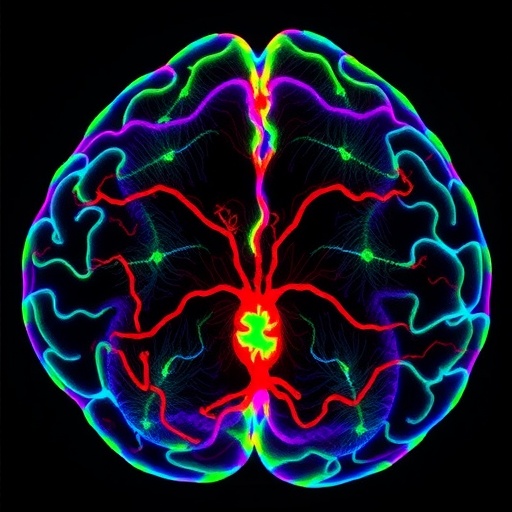
Recent advancements in cancer research have elucidated the critical role of the minichromosome maintenance protein 5 (MCM5) in the progression of glioblastoma, a notoriously aggressive form of brain cancer. In a groundbreaking study conducted by Ye, Song, Yang, and colleagues, researchers employed comprehensive bioinformatics approaches to reveal how MCM5 influences cell cycle regulation, ultimately facilitating tumor growth and progression. This work promises to provide novel insights into glioblastoma biology and heralds potential new therapeutic targets for this devastating disease.
Glioblastoma is one of the most lethal tumors, characterized by its rapid growth and the complexity of its microenvironment. The study highlights MCM5 as a significant player in the oncogenic processes of glioblastoma. The extensive bioinformatics and functional analyses detailed several pathways and molecular interactions where MCM5 plays a pivotal role, suggesting that inhibiting its activity could slow down tumor growth and improve clinical outcomes for patients.
The researchers deployed various bioinformatics tools to analyze multiple transcriptomic datasets derived from glioblastoma tissues. They discovered that MCM5 expression levels were significantly upregulated in tumor samples compared to normal brain tissues. This upregulation was correlated with poor prognosis, indicating that MCM5 might serve as a reliable biomarker for glioblastoma severity. The findings suggest an urgent need for further clinical investigations to examine MCM5 levels as a predictive indicator for patient outcomes.
Cell cycle regulation is crucial for maintaining normal cellular function and preventing uncontrolled proliferation prevalent in cancerous cells. MCM5 is integral to the DNA replication process during the S phase of the cell cycle, acting as a helicase. The study provides detailed molecular insights into how MCM5’s dysregulation leads to aberrant cell cycle progression in glioblastoma. The researchers established that elevated levels of MCM5 enhance the transition from G1 to S phase, promoting rapid cellular proliferation.
The implications of these findings extend beyond basic scientific knowledge. They open new avenues for targeted therapies aimed at inhibiting MCM5’s activity. Pharmacological agents that could reduce MCM5 expression or functionality may offer a novel approach to hinder glioblastoma growth. Potentially, such treatments could normalize cell cycle progression, arresting tumor development while sparing normal, healthy cells.
In addition to its role in cell cycle regulation, the study also sheds light on MCM5’s involvement in various signaling pathways associated with tumorigenesis. The researchers provided compelling evidence that MCM5 interacts with key oncogenes and tumor suppressors, creating a complex network that sustains the glioblastoma microenvironment. These molecular interactions highlight the intricate interplay between MCM5 and other genetic factors, reinforcing its role as a central hub in glioblastoma pathophysiology.
Furthermore, this comprehensive analysis calls for the investigation of MCM5-targeted therapies in preclinical models. The researchers suggest that further exploration of MCM5 inhibitors could provide a therapeutic advantage against glioblastoma, which is notoriously resistant to conventional treatments like radiation and chemotherapy. The identification of effective MCM5 inhibitors could, therefore, represent a significant step toward improving patient prognosis.
The authors of the study anticipate that their findings will encourage more research into MCM5’s role in other cancers as well. Given that MCM proteins are essential across various malignancies, understanding MCM5’s contributions could reveal shared mechanisms of tumorigenesis, potentially leading to broad-spectrum cancer therapies. The study emphasizes the necessity for oncologists and researchers to collaborate in elucidating the multifaceted roles of MCM proteins.
As glioblastoma poses a formidable challenge to current oncological strategies, the need for innovative approaches is more pressing than ever. The potential of MCM5 as a therapeutic target signifies a shift towards precision medicine, where treatments can be tailored based on genetic and molecular markers. Such advancements could drastically alter the landscape of glioblastoma treatment and fundamentally improve outcomes for patients afflicted with this aggressive cancer.
In conclusion, this comprehensive study underscores the critical involvement of MCM5 in glioblastoma progression through its regulation of cell cycle dynamics and interactions with crucial biological pathways. Future research efforts directed at translating these findings into therapeutic strategies could revolutionize our approach to glioblastoma and provide valuable insights into broader oncological contexts. The study stands as a testament to the power of bioinformatics in uncovering the complexities of cancer biology and suggests a hopeful direction for future glioblastoma treatments.
The growing body of evidence linking MCM5 to glioblastoma underscores the importance of continued research in this area. As researchers delve deeper into the molecular underpinnings of cancer, hopefully, they will uncover more avenues for intervention that could one day lead to a cure for glioblastoma and other malignancies.
Through multilayered research approaches and integrating bioinformatics with functional analyses, scientists are steadily chipping away at the complexities of glioblastoma. The hope is that by honing in on molecules like MCM5, they will unlock new strategies to combat this merciless disease, ultimately providing patients with better prognoses and enhanced quality of life.
Cite Scienmag News
Nathaniel Bowman. (November 27, 2025). MCM5 Boosts Glioblastoma Growth via Cell Cycle Regulation. Scienmag. https://scienmag.com/mcm5-boosts-glioblastoma-growth-via-cell-cycle-regulation/
Nathaniel Bowman. "MCM5 Boosts Glioblastoma Growth via Cell Cycle Regulation." Scienmag, 27 November 2025, https://scienmag.com/mcm5-boosts-glioblastoma-growth-via-cell-cycle-regulation/. Accessed 4 September 2026.
Nathaniel Bowman. "MCM5 Boosts Glioblastoma Growth via Cell Cycle Regulation." Scienmag. November 27, 2025. https://scienmag.com/mcm5-boosts-glioblastoma-growth-via-cell-cycle-regulation/


