


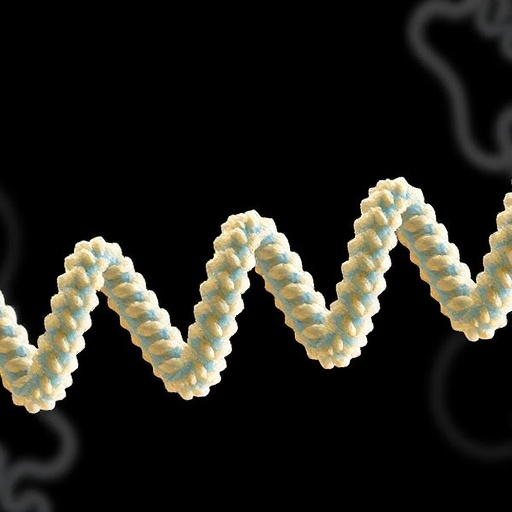
In a landmark achievement that ends nearly four decades of scientific uncertainty, researchers at the Mayo Clinic have unveiled the elusive molecular structure of protein kinase C beta (PKCβ), a critical enzyme implicated in numerous cancers and neurological disorders. This discovery not only illuminates fundamental biological processes but also offers promising new avenues for targeted drug development, exemplified by insights into the action mechanism of the breast cancer therapeutic endoxifen. Published in Nature Communications on May 21, 2026, this breakthrough provides a comprehensive framework to decode the complex regulation and function of PKCβ, heralding a new era in precision medicine.
Protein kinase C (PKC) enzymes act as integral molecular switches within cells, mediating signaling pathways that govern cell growth, survival, and differentiation. The PKC family consists of ten isoforms, each with distinct regulatory roles and tissue distributions. Despite their importance, structural characterization of these proteins, particularly the full-length human isoforms, has remained a formidable challenge since PKC’s discovery in the 1980s. Traditional methods employing insect cell expression systems failed to replicate the protein’s native conformation, hampering efforts to delineate their structure-function relationships and impeding drug design.
The team at Mayo Clinic, led by molecular biologist Dr. Matthew Schellenberg, overcame these barriers by innovating a novel expression system that produces PKC enzymes in human cells. This methodological advancement yielded high-quality, biologically relevant protein samples, enabling the first high-resolution visualization of human PKCβ1 and PKCβ2 structures through sophisticated imaging techniques such as cryo-electron microscopy. These structures revealed unprecedented details about the enzyme’s autoinhibited and active states, providing insights into the molecular switches that regulate its function.
Central to the enzyme’s activation is its interaction with lipid membranes within cells. PKCβ is normally maintained in a closed, inactive configuration. When it encounters specific membrane lipids, these act as molecular levers that induce a conformational shift from a dormant to an active state, exposing the kinase’s catalytic domain required for phosphorylation signaling. This mechanistic understanding resolves a decades-old question about how PKCβ senses and responds to cellular membranes — crucial for orchestrating its role in cellular communication and disease pathways.
The study further dissects how the breast cancer drug endoxifen engages PKCβ. Unlike classical kinase inhibitors that compete directly at the active site, endoxifen modulates the enzyme allosterically, binding at a distinct location and triggering conformational changes that lead to PKCβ’s degradation. This allosteric inhibition exemplifies a sophisticated therapeutic strategy, delicately tuning enzyme activity without complete blockade, thereby minimizing off-target effects. Dr. Matthew Goetz, a medical oncologist on the team, emphasizes that this mechanism likely underpins endoxifen’s superior efficacy compared to prior compounds targeting PKC.
This innovative understanding of PKCβ’s molecular regulation has profound implications for the broader PKC family, whose isoforms can have divergent roles in cancer biology—some promoting tumor progression, others acting as tumor suppressors. The structural insights now allow researchers to explore isoform-specific drug targeting, an endeavor previously stymied by the lack of detailed structural data. The ability to selectively activate or inhibit precise PKC isoforms holds promise for highly personalized therapeutic regimens across a spectrum of diseases.
Currently, Mayo Clinic investigators are evaluating endoxifen in clinical trials focusing on premenopausal women with estrogen receptor-positive breast cancer. These studies are aimed at deciphering whether the drug’s impact on PKCβ contributes substantively to its anti-cancer effects and might redefine therapeutic paradigms. The team also plans to extend their structural investigations to all ten PKC family members, systematically unveiling the unique regulatory mechanisms of each isoform and their responses to pharmacologic agents.
These breakthroughs herald a new chapter in molecular biology and drug development. By providing the first detailed architectural map of PKCβ, scientists can now dissect pathological mutations and design drugs that precisely target dysfunctional signaling circuits implicated in cancer, Alzheimer’s, lymphoma, and colorectal diseases. The long-anticipated structural revelations symbolize a critical turning point where structural biology meets translational medicine, unlocking doors that have been sealed for more than 40 years.
The ability to visualize PKCβ in its native human form, and to understand how membrane lipids act as dynamic regulators of its activity, expands fundamental knowledge about intracellular signaling. This progress reshapes how biologists conceptualize cell communication and protein regulation, offering a template for studying similarly complex enzyme families. It also sets a high benchmark for future structural studies aiming to illuminate the molecular underpinnings of human disease.
In summary, the uncovering of PKCβ’s full-length structure represents not merely a technical triumph but a transformative milestone that bridges decades of research with next-generation cancer therapies. By shifting the paradigm from broad-spectrum kinase inhibitors to isoform-specific, allosteric modulators, this work exemplifies the power of structural biology in unlocking precision medicine. As researchers continue to unravel the intricacies of the PKC family, patients stand to benefit from more effective, tailored treatments that promise better outcomes with fewer side effects.
For the broader scientific community and clinicians alike, this research signals an exciting pivot. Past frustrations stemming from limited structural knowledge can now be replaced with strategic drug design grounded in atomic-level understanding. As Dr. Goetz aptly notes, “We’ve opened a new door.” This door leads not only to enhanced cancer therapies but also to tackling neurological disorders and other complex diseases where PKC enzymes play a pivotal role. The journey from mystery to molecule has concluded, ushering in opportunities to revolutionize treatment landscapes.
The revelations about PKCβ have sparked widespread enthusiasm, positioning the Mayo Clinic team at the forefront of kinase biology and drug discovery. Their work exemplifies how persistent methodology innovation, combined with integrative biochemical and cellular analyses, can solve longstanding scientific puzzles. Importantly, the synergy between structural insight and pharmacology showcased here may inform strategies across diverse targets, marking a transformative moment in biomedical research with far-reaching clinical impact.
With ongoing studies aimed at leveraging this knowledge into tangible clinical benefits, the future looks increasingly bright for targeted therapies against cancer and neurodegenerative diseases. This landmark study heralds a new era where molecular precision guides therapeutic intervention, ensuring that the right protein can be targeted in the right context with unprecedented accuracy. For patients and physicians worldwide, these findings offer hope for more effective and less toxic treatment options in the years ahead.
News Publication Date: 21-May-2026.
Web References:
References:
Schellenberg, M.J., Goetz, M., et al. “Molecular basis of allosteric regulation and pharmaceutical targeting of protein kinase Cβ.” Nature Communications, 2026.
Keywords
Protein kinase C beta, PKCβ, molecular structure, breast cancer, endoxifen, allosteric inhibition, kinase regulation, precision medicine, structural biology, drug discovery, enzyme activation, cancer therapeutics.
Cite Scienmag News
Nathaniel Bowman. (June 23, 2026). Mayo Clinic Scientists Uncover Structure of Crucial Protein Implicated in Cancer and Neurological Disorders. Scienmag. https://scienmag.com/mayo-clinic-scientists-uncover-structure-of-crucial-protein-implicated-in-cancer-and-neurological-disorders/
Nathaniel Bowman. "Mayo Clinic Scientists Uncover Structure of Crucial Protein Implicated in Cancer and Neurological Disorders." Scienmag, 23 June 2026, https://scienmag.com/mayo-clinic-scientists-uncover-structure-of-crucial-protein-implicated-in-cancer-and-neurological-disorders/. Accessed 3 September 2026.
Nathaniel Bowman. "Mayo Clinic Scientists Uncover Structure of Crucial Protein Implicated in Cancer and Neurological Disorders." Scienmag. June 23, 2026. https://scienmag.com/mayo-clinic-scientists-uncover-structure-of-crucial-protein-implicated-in-cancer-and-neurological-disorders/


