


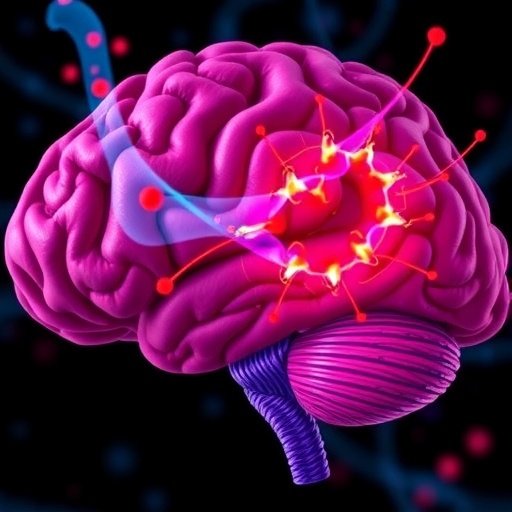
In a groundbreaking study published in Nature Cancer, researchers have unveiled a crucial sex-specific biological mechanism that influences the progression of glioblastoma, the most aggressive and lethal form of brain cancer. This research, spearheaded by Defne Bayik, Ph.D., from the Sylvester Comprehensive Cancer Center at the University of Miami, reveals that the neurotransmitter GABA selectively modulates immune cells in female models, a pathway absent in males, thereby uncovering a novel target for sex-specific therapies against glioblastoma.
Glioblastoma has long presented a disparity in incidence and mortality rates between men and women, with men suffering higher rates and worse prognoses. However, the underlying biological reasons for this sex difference have remained elusive. This study advances the understanding by focusing on myeloid-derived suppressor cells (MDSCs), a heterogeneous population of immune cells known to suppress T cell responses and promote tumor growth. The researchers identified that granulocytic MDSCs are predominantly influential in females, whereas monocytic MDSCs are more prevalent in males, prompting a deeper investigation into the sex-dependent roles of these cells.
Immune suppression within the tumor microenvironment is a hallmark of glioblastoma progression. MDSCs, notorious for dampening anti-cancer immunity, are co-opted by tumors to evade immune surveillance. By dissecting the metabolic and signaling pathways of granulocytic MDSCs, the team discovered that GABA, traditionally recognized as a key inhibitory neurotransmitter in the central nervous system, reprograms these immune cells exclusively in female mice. GABA alters the metabolic state of granulocytic MDSCs, enhancing their immunosuppressive functions and thereby fostering the tumor’s growth environment.
Bayik and her team demonstrated that administering GABA directly influenced the metabolism of granulocytic MDSCs from female models, prompting increased immunosuppression. Contrastingly, male MDSCs remained unresponsive to GABA, marking a profound sex-specific divergence in immune cell regulation. This discovery challenges preconceived notions regarding the universality of immune modulatory pathways and underscores the importance of factoring sex as a biological variable in cancer research.
Further, the study evaluated the therapeutic potential of blocking GABA signaling. In female glioblastoma models, pharmacological inhibition of the GABA receptor attenuated immunosuppression by granulocytic MDSCs, resulting in markedly improved survival outcomes. This effect was not observed in male models, providing compelling evidence for the deployment of sex-targeted interventions in brain cancer treatment strategies.
Validation of these preclinical findings was extended to human glioblastoma specimens. Tumor biopsies from female patients exhibited elevated levels of GABA and its receptor on granulocytic MDSCs compared to those from male patients. Additionally, metabolic profiling confirmed that GABA’s reprogramming effect on granulocytic MDSCs holds true in the clinical context, indicating physiological relevance beyond laboratory models.
The implications of this research are far-reaching. Not only does it offer an explanation for the sex-disparate clinical outcomes in glioblastoma, but it also opens avenues for the design of precision medicines tailored to female patients. By specifically targeting GABA signaling in female granulocytic MDSCs, therapies could selectively dismantle the tumor’s immune evasion tactics, potentially improving efficacy and survival rates where historically treatments have been less effective.
This study also highlights the broader impact on cancer immunotherapy. Immune modulation is a cornerstone of modern oncology, yet many immunotherapies do not account for sex-based differences, which may contribute to variable patient responses. Recognizing and exploiting these differences could optimize therapeutic responses and reduce adverse effects, advancing the promise of personalized oncology.
Importantly, Bayik’s work encourages a paradigm shift in cancer biology, urging the scientific community to incorporate sex as a fundamental factor in experimental design and therapeutic development. Understanding the complex interplay between neurotransmitters, immune cells, and sex chromosomes will undoubtedly enrich future research, lending nuanced insight into tumor biology and treatment resistance.
While this study zeroes in on glioblastoma, the presence of MDSCs in a multitude of malignancies suggests that GABA-mediated metabolic reprogramming could be a pervasive mechanism influencing cancer progression in a sex-specific manner. Ongoing investigations seek to elucidate the molecular underpinnings of this differential metabolism and to evaluate the translational potential of GABA receptor antagonists across diverse tumor types.
Bayik emphasizes that although glioblastoma prevalence skews male, females account for a substantial proportion of affected patients. Therefore, refining our understanding of female-specific tumor biology is imperative to elevating therapeutic outcomes for all. The pursuit of sex-tailored medicine promises to fill critical gaps in current cancer treatment paradigms and foster equitable healthcare innovation.
This pioneering research not only deepens the molecular comprehension of glioblastoma but also inspires a new frontier in cancer therapy—one where the nuanced biology of sex differences is harnessed to design smarter, more effective treatments. The recognition that neurotransmitters like GABA can differentially influence immune cells in males and females heralds a promising chapter in precision oncology.
For continued updates on this and other transformative cancer research, follow the Sylvester Comprehensive Cancer Center’s communications and explore their detailed studies on female-biased immune mechanisms in glioblastoma and beyond.
News Publication Date: June 23, 2026
Web References:
https://www.nature.com/articles/s43018-026-01192-5
https://med.miami.edu/faculty/defne-bayik-phd
https://umiamihealth.org/sylvester-comprehensive-cancer-center
References:
Bayik, D., Pathak, A., et al. (2026). GABA signaling activation drives glioblastoma progression in female mice through myeloid-derived suppressor cells. Nature Cancer. DOI: 10.1038/s43018-026-01192-5
Cite Scienmag News
Nathaniel Bowman. (June 23, 2026). New Research Uncovers Sex-Specific Immune Mechanism in Lethal Brain Cancer. Scienmag. https://scienmag.com/new-research-uncovers-sex-specific-immune-mechanism-in-lethal-brain-cancer/
Nathaniel Bowman. "New Research Uncovers Sex-Specific Immune Mechanism in Lethal Brain Cancer." Scienmag, 23 June 2026, https://scienmag.com/new-research-uncovers-sex-specific-immune-mechanism-in-lethal-brain-cancer/. Accessed 4 September 2026.
Nathaniel Bowman. "New Research Uncovers Sex-Specific Immune Mechanism in Lethal Brain Cancer." Scienmag. June 23, 2026. https://scienmag.com/new-research-uncovers-sex-specific-immune-mechanism-in-lethal-brain-cancer/


