


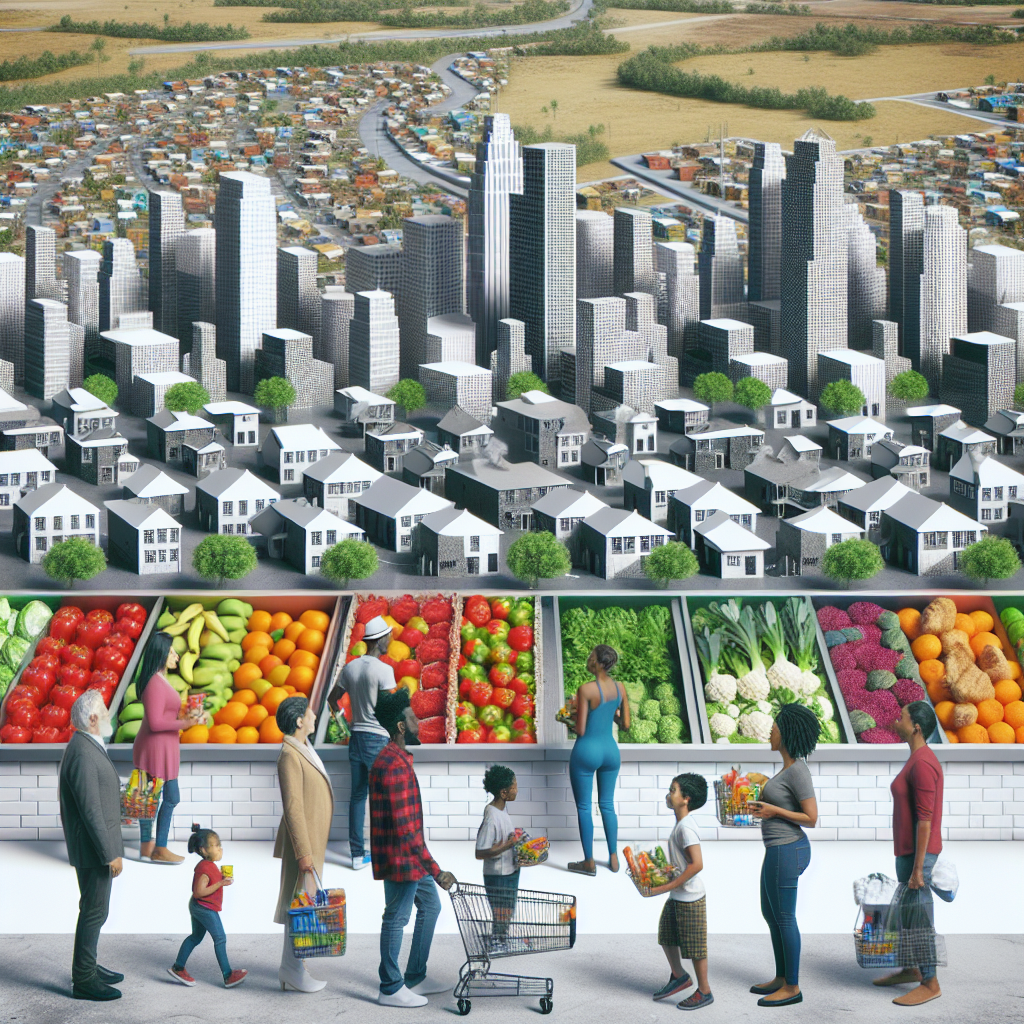
People living in lower-income neighborhoods and in areas without local food stores eat more snacks and sweets than those in higher-income areas and in neighborhoods with many food stores, a new study shows.
Researchers at the University of Michigan and University of Alabama-Birmingham looked at overall consumption of snacks and sweets, and four subcategories: bakery sweets; candy and desserts; savory snacks and crackers; and nutrition bars and low-fat snacks and sweets.
Findings include:
- People who live in neighborhoods with many food stores ate 9% fewer snacks and sweets overall, 10% fewer sweet bakery products and 6% fewer candy and desserts than people in neighborhoods without food stores nearby.
- People in the highest income areas ate 11% fewer snacks and sweets overall, 19% fewer bakery products and 6% fewer savory snacks and crackers.
- Higher-income households ate more nutrition bars and low-fat snacks and sweets compared to lower-income households.
- People in USDA-defined food deserts ate the same amount of snacks as those who are not in USDA-defined food deserts, regardless of income.
Ian-Marshall Lang, a researcher at U-M’s School of Kinesiology and first author of the study, said his team didn’t examine “the why” behind the findings, but hypothesized that people in neighborhoods without food stores might buy more shelf-stable foods like snacks and sweets, or buy food at less traditional food stores like dollar stores, which carry fewer healthy options.
“Our neighborhood income findings may be explained by previous research showing lower-income areas are unjustly exposed to greater targeted marketing for snacks and sweets, higher prices for healthy food, fewer healthy food options in stores, and greater stress,” he said.
The findings are important for several reasons, Lang said.
“A lot of research on the residential food environment and dietary intake focuses on fruit and vegetable consumption and overall diet quality, leaving far less known about the intake of snacks and sweets,” he said. “Additionally, U.S.-based studies that have examined food store availability and intake of snacks and sweets among adults have been limited to select cities and specific store types. The size of the study and the novelty of our methods help fill these gaps in the literature.”
Surprisingly, the study found that people living in USDA-defined food deserts ate the same amount of snacks and sweets as people who did not live in food deserts. This could be because the USDA defines food stores as large supermarkets (Walmart, Meijer), whereas Lang’s study defines primary food stores as places where 94% of U.S. households do the majority of their food shopping regardless of income. It includes supermarkets, supercenters and select food retailers (small grocery stores, fruit and vegetable markets, bakeries, convenience stores and drug stores).
“In identifying potential settings for future programming and interventions that target snacks and sweets intake, it may be important to consider places devoid of primary food retailers (defined more broadly) rather than places only devoid of large traditional supermarkets,” Lang said.
So what do these numbers mean in terms of healthy food choices and overall health?
“Though we didn’t look at the health impacts of snacks and sweets consumption in this paper, we do know from previous research that consumption of snacks and sweets like the ones examined in this study is associated with higher calorie intake and body weight in adults,” Lang said. “We also know that making even small, positive dietary changes—like swapping a one calorie-dense snack or sweet for a more nutrient-dense snack like fresh fruit—can have benefits for population health.”
The study did not conclude a causal relationship between income and neighborhood food store availability and snack consumption. Researchers used data from 21,204 participants in the ongoing REasons for Geographic And Racial Differences in Stroke study, which is sponsored by the National Institutes of Health and housed at the University of Alabama-Birmingham.
The study appeared in the Journal of Nutrition. Co-authors include Natalie Colabianchi and Cathy Antonakos of U-M’s School of Kinesiology and Suzanne Judd of UAB.
Journal
Nutrition
Cite Scienmag News
Courtney Benton. (June 27, 2024). Low income, lack of food stores linked to type of snacks and sweets people eat. Scienmag. https://scienmag.com/low-income-lack-of-food-stores-linked-to-type-of-snacks-and-sweets-people-eat/
Courtney Benton. "Low income, lack of food stores linked to type of snacks and sweets people eat." Scienmag, 27 June 2024, https://scienmag.com/low-income-lack-of-food-stores-linked-to-type-of-snacks-and-sweets-people-eat/. Accessed 12 September 2026.
Courtney Benton. "Low income, lack of food stores linked to type of snacks and sweets people eat." Scienmag. June 27, 2024. https://scienmag.com/low-income-lack-of-food-stores-linked-to-type-of-snacks-and-sweets-people-eat/


