


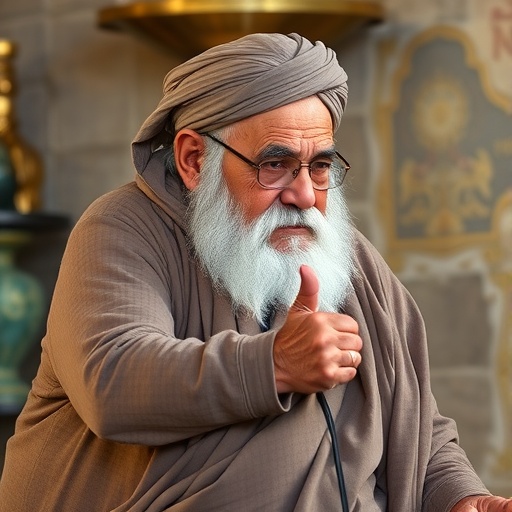
In an era where the global population is aging rapidly, understanding the factors that influence quality of life among older adults, especially within minority groups, has become an urgent field of study. A recently published 2026 cross-sectional study in BMC Geriatrics has brought to light critical insights into the perceived quality of life among older adults of the Zoroastrian minority in Iran who suffer from chronic diseases. This research is pioneering in its focus on a uniquely underserved and culturally distinct population, offering a rare glimpse into how chronic health conditions intersect with cultural identity, community support, and psychological well-being.
The study, conducted by Rezaeipandari, Morowatisharifabad, Mohammadpoorasl, and colleagues, methodically explored a range of variables that influence subjective quality of life perceptions among elderly Zoroastrians. The research team examined determinants including physical health status, mental health components, social support structures, economic factors, and cultural engagement, employing quantitative metrics designed to capture not only physical wellbeing but also emotional and social dimensions of life quality. Their work addresses a significant gap in geriatric literature, as minority elderly populations often encounter unique stresses and barriers that distant mainstream studies fail to capture.
Chronic diseases, known to impair physical functioning and mental health, are a universal challenge for aging populations. However, this study illuminates how disease burden in a minority ethnic group is compounded by socio-cultural factors distinct to Zoroastrian communities. These chronic diseases, which often include diabetes, cardiovascular conditions, and arthritis, were found to influence not just the physical capabilities of individuals but also their overall outlook on life and social engagement. The researchers suggest that traditional healthcare approaches must be culturally sensitive to effectively improve health outcomes in such groups.
One of the intriguing dimensions highlighted is the role of social support and community cohesion. The Zoroastrian minority maintains strong communal ties grounded in ancient cultural and religious traditions. The study found that older adults with robust social networks, including family connections and community participation, reported significantly higher perceived quality of life scores. This suggests a buffering effect against the deleterious impacts of chronic illness, underscoring the powerful influence of social capital in elderly health and well-being.
Mental health emerged as a pivotal predictor of life quality. Psychological distress, depression, and anxiety were assessed and correlated negatively with perceived life satisfaction. This finding aligns with existing global geriatric studies but takes on new weight within minority populations who may experience higher levels of cultural marginalization and health disparities. The researchers advocate for integrated health services that encompass mental health care alongside chronic disease management, tailored to the cultural context of the Zoroastrian elderly.
Economics also played a critical role. Financial security, or the lack thereof, was a significant determinant of how older adults perceived their quality of life. Those with stable incomes or pensions were better able to access healthcare, medication, and necessary support, translating into better health outcomes and more positive life evaluations. Conversely, economic hardship exacerbated the challenges of managing chronic diseases, contributing to feelings of helplessness and decreased life satisfaction.
Cultural engagement, including religious practices and participation in community rituals, was another important factor influencing quality of life. The Zoroastrian faith, with its rich heritage and spiritual framework, provided meaning and purpose to many elders, fostering resilience and hope in the face of chronic health challenges. This spiritual well-being element amplified the sense of identity and belonging, critical components for psychological health according to the study’s detailed analysis.
Importantly, the study employed robust methodological frameworks, including standardized quality of life assessment tools such as the EQ-5D instrument and WHOQOL-BREF, allowing for comparative benchmarks with other populations and global findings. The cross-sectional design permitted a snapshot view of life quality predictors but also laid the groundwork for longitudinal follow-up to understand temporal dynamics in aging Zoroastrian minorities.
The public health implications of the study are profound. Policymakers and healthcare providers are urged to consider socio-cultural dimensions in designing interventions for elderly minorities with chronic illnesses. The unique interplay of disease, culture, and community documented in this investigation reinforces the necessity of personalized, culturally sensitive care models that extend beyond conventional biomedical treatment.
Furthermore, the research shines a spotlight on minority aging within the Iranian context, an area long neglected due to sparse data and limited visibility. It prompts a call to action for more inclusive health research agendas, emphasizing that quality of life is multifaceted and deeply embedded in cultural and social realities. By validating the experiences of older Zoroastrians, this work contributes to broader efforts aimed at equity in elderly care globally.
The findings also raise questions about the scalability of culturally specific interventions. Can successful strategies identified in Zoroastrian populations inform care in other minority groups living with chronic diseases worldwide? The authors suggest that while cultural nuances differ, the principles of respect for identity, community engagement, and holistic health approaches are universally applicable.
In technological terms, the study leverages data analytics to integrate psychosocial variables with clinical metrics, advancing a more nuanced understanding of health status. The potential exists for incorporating these insights into digital health platforms that support chronic disease management, personalized health monitoring, and community liaison functions tailored to minority elders.
To conclude, the pioneering study by Rezaeipandari et al. underscores the complexity of quality of life determinants in aging minority populations with chronic diseases. Their findings offer critical evidence that quality of life enhancement is contingent upon an integrative approach blending medical care, psychological support, social engagement, economic stability, and cultural affirmation. As populations continue to age worldwide, embracing these multifactorial strategies will be essential to fostering healthier, more dignified aging experiences for minority elders everywhere.
Cite Scienmag News
Beatrice Stafford. (May 26, 2026). Quality of Life Predictors in Zoroastrian Elders. Scienmag. https://scienmag.com/quality-of-life-predictors-in-zoroastrian-elders/
Beatrice Stafford. "Quality of Life Predictors in Zoroastrian Elders." Scienmag, 26 May 2026, https://scienmag.com/quality-of-life-predictors-in-zoroastrian-elders/. Accessed 4 September 2026.
Beatrice Stafford. "Quality of Life Predictors in Zoroastrian Elders." Scienmag. May 26, 2026. https://scienmag.com/quality-of-life-predictors-in-zoroastrian-elders/


