


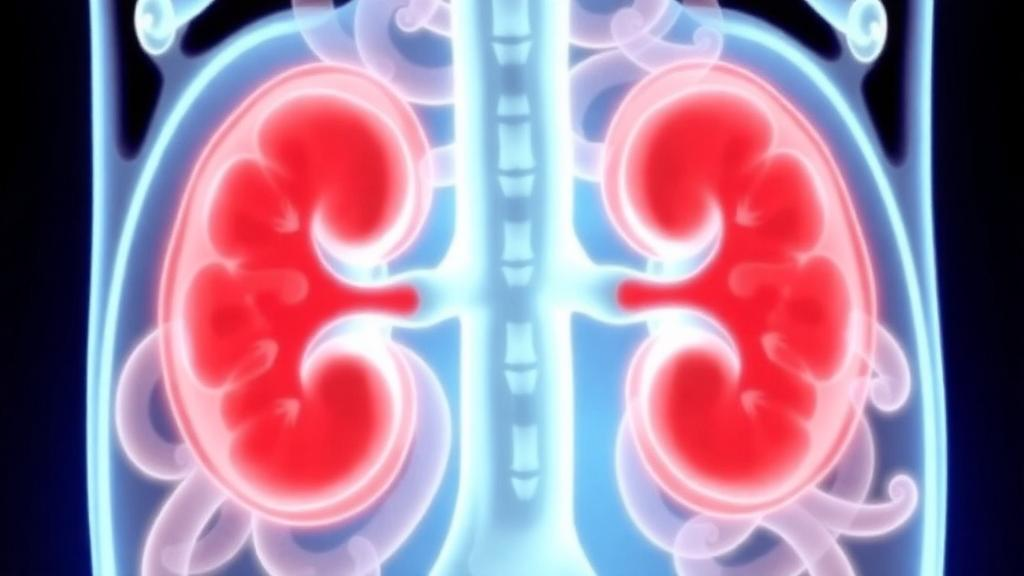
Renal cell carcinoma, the most common form of kidney cancer, has long challenged oncologists precisely because it is not one disease but a family of malignancies with distinct molecular fingerprints. Now, researchers in Japan have added an important piece to this puzzle, showing that the expression pattern of a single gene can carry opposite prognostic meanings depending on which subtype of kidney cancer a patient has. The finding, drawn from an analysis of publicly available cancer databases, highlights why subtype-specific thinking is becoming essential in cancer prognosis and may point the way toward more refined biomarker strategies for a disease that affects hundreds of thousands of people worldwide each year.
The study, conducted by a team at Tokyo University of Science and Nippon Medical School and led by Professor Tadayoshi Hayata, focused on a gene called CTD nuclear envelope phosphatase 1, or CTDNEP1. This gene encodes a phosphatase, an enzyme class that removes phosphate groups from target molecules, placing it at the crossroads of intracellular signaling and lipid metabolism. Phosphatases of this kind help regulate how cells respond to their environment, how membranes are built and maintained, and how growth signals are transmitted. Because these are precisely the processes that go awry in cancer, abnormalities in CTDNEP1 have attracted attention before. Earlier work has suggested links between the gene and medulloblastoma, a malignant brain tumor that primarily affects children, and the same research group had previously reported that low CTDNEP1 expression was associated with poor prognosis in pancreatic ductal adenocarcinoma.
That history made the new result all the more striking. When the team examined CTDNEP1 in renal cell carcinoma, they found that higher expression of the gene was associated with poorer survival outcomes in clear cell renal cell carcinoma, the most prevalent subtype of the disease. This is the opposite direction of the association the group had documented in pancreatic cancer, where low expression signaled worse outcomes. The same molecule, in other words, can carry a completely different clinical meaning depending on the cancer type and even the subtype within a cancer type. Professor Hayata noted that in the earlier pancreatic cancer work, low CTDNEP1 expression was associated with poor prognosis, while in clear cell renal cell carcinoma the team observed the opposite direction, underscoring that context determines the gene’s clinical significance.
To understand the scale of the analysis, it helps to appreciate the landscape of kidney cancer itself. Renal cell carcinoma accounts for roughly ninety percent of all kidney cancers and arises when cells lining the kidney’s small tubules begin to grow uncontrollably. Within this category, clear cell renal cell carcinoma represents approximately eighty percent of cases and is named for the clear-looking appearance of its cancer cells under the microscope. Papillary renal cell carcinoma, the second most common subtype at roughly ten to fifteen percent of cases, instead forms distinctive finger-like structures called papillae. The two subtypes differ not only in appearance but in their cellular origins, genetic makeup, and the tumor microenvironments in which they develop. Yet reliable molecular markers for assessing prognosis in these subtypes have remained limited, which is precisely the gap the Japanese team set out to address.
The researchers’ first clue came from a broader observation: CTDNEP1 expression was elevated in tumor tissue compared with normal tissue across several cancer types, including renal cell carcinoma. Encouraged by this pattern, they turned to the TCGA Pan-Cancer Atlas, a comprehensive and widely used public database of genomic and clinical data, to examine the gene’s expression in 512 patients with clear cell renal cell carcinoma and 283 patients with papillary renal cell carcinoma. The team divided patients into groups based on their CTDNEP1 expression levels and compared survival outcomes between the groups, carefully accounting for confounding variables including age, sex, and pathological stage. This kind of database-driven approach, sometimes called an in silico study, allows researchers to detect associations across large patient cohorts that no single hospital could assemble on its own.
The results in clear cell renal cell carcinoma were clear-cut. Patients whose tumors showed higher levels of CTDNEP1 had significantly poorer survival outcomes, and the association was particularly pronounced in Stage III disease. Across the overall clear cell cohort, the hazard ratio for overall survival in the high-expression group was 2.16 compared with the low-expression group, meaning that high expression roughly doubled the risk of death over the study period after adjustment for the measured covariates. When the researchers drilled down to Stage III clear cell renal cell carcinoma specifically, high CTDNEP1 expression was significantly associated with poorer overall survival, poorer disease-specific survival, and shorter progression-free interval, although no significant association emerged for disease-free interval. These stage-specific findings suggest the gene’s expression may be most informative in the intermediate stage of disease, where prognostic refinement could have the greatest practical impact on treatment decisions.
In papillary renal cell carcinoma, by contrast, the picture was far murkier. The association between CTDNEP1 expression and prognosis was limited and inconsistent, with no consistent relationship observed for overall survival, disease-specific survival, or progression-free interval. Even the findings for disease-free interval shifted depending on which statistical model the researchers applied. This subtype-dependent divergence is not merely a statistical curiosity. The authors suggest that the genetic and biological differences between the two subtypes may explain it: clear cell and papillary renal cell carcinoma may arise from different types of kidney cells, carry different genetic backgrounds, and develop within different tumor environments, any of which could influence the biological processes connected to CTDNEP1 expression.
Supporting that interpretation, the team identified different biological pathways linked to CTDNEP1 expression in each subtype. In clear cell renal cell carcinoma, higher expression of the gene was associated with immune- and inflammation-related pathways, hinting that CTDNEP1 may intersect with the tumor’s inflammatory milieu in ways that worsen outcomes. In papillary renal cell carcinoma, the gene’s expression was instead associated with immune responses and metabolic processes, including pathways involved in energy production. These distinct pathway signatures reinforce the idea that the same gene can be wired into different biological circuits in different tumor contexts, a phenomenon increasingly recognized across cancer genomics and one that complicates any attempt to read a biomarker’s meaning from one cancer type and apply it to another.
The researchers are careful about what their findings do and do not establish. The study demonstrates an association rather than a direct cause-and-effect relationship, and further experimental work is needed to determine whether CTDNEP1 directly contributes to renal cell carcinoma progression. The stage-specific analyses were exploratory and based on limited patient numbers, and the threshold used to separate high- and low-expression groups was derived from the same cohort being analyzed, which means the results require validation in independent patient cohorts before they can inform clinical practice. Even so, the study positions CTDNEP1 as a candidate prognostic biomarker, particularly for clear cell renal cell carcinoma, and Professor Hayata emphasized that the findings suggest the gene may serve as a candidate prognostic marker in renal cell carcinoma while calling for further experimental studies to clarify whether it directly contributes to disease progression. The research, published in Volume 46, Issue 10 of the journal Anticancer Research, also stands as an example of cross-institutional collaboration, with first author Mayuka Nii, a Ph.D. candidate at Tokyo University of Science, working alongside Kazutaka Ota, then a third-year medical student at Nippon Medical School who participated through the school’s Project Semester III research placement course. For a disease in which subtype-specific prognostic tools remain scarce, a gene whose meaning flips between cancer types is a vivid reminder that in modern oncology, context is everything.
Subject of Research: Subtype-dependent association of CTDNEP1 gene expression with survival outcomes in renal cell carcinoma
Article Title: Gene expression linked to survival differs by kidney cancer subtype
Article References: Gene expression linked to survival differs by kidney cancer subtype. (n.d.). Original publication
Image Credits: AI Generated
DOI: Not provided
Keywords: renal cell carcinoma, CTDNEP1, clear cell renal cell carcinoma, papillary renal cell carcinoma, prognostic biomarker, gene expression, TCGA Pan-Cancer Atlas, survival analysis, kidney cancer, phosphatase, tumor microenvironment, Anticancer Research
Cite Scienmag News
Nathaniel Bowman. (October 7, 2026). Kidney Cancer Gene Marker CTDNEP1 Signals Survival Differently Across Tumor Subtypes. Scienmag. https://scienmag.com/kidney-cancer-gene-marker-ctdnep1-signals-survival-differently-across-tumor-subtypes/
Nathaniel Bowman. "Kidney Cancer Gene Marker CTDNEP1 Signals Survival Differently Across Tumor Subtypes." Scienmag, 7 October 2026, https://scienmag.com/kidney-cancer-gene-marker-ctdnep1-signals-survival-differently-across-tumor-subtypes/. Accessed 7 October 2026.
Nathaniel Bowman. "Kidney Cancer Gene Marker CTDNEP1 Signals Survival Differently Across Tumor Subtypes." Scienmag. October 7, 2026. https://scienmag.com/kidney-cancer-gene-marker-ctdnep1-signals-survival-differently-across-tumor-subtypes/


