


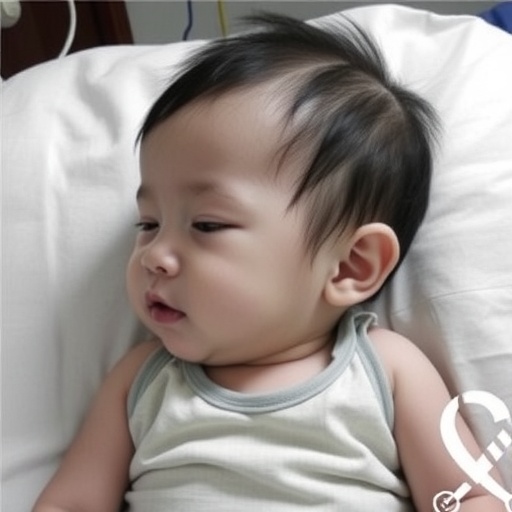
In a notable case that underscores the complexities of pediatric illnesses, researchers have published a compelling report focusing on a rare manifestation of Kawasaki disease, primarily presenting as a persistent cough. The case, documented by a team led by Feng et al., illustrates how incomplete Kawasaki disease can initially mislead clinicians, resulting in potential delays in diagnosis and treatment. While Kawasaki disease is commonly recognized for its characteristic fever, rash, and lymphadenopathy, this report emphasizes the importance of recognizing atypical symptoms such as a persistent cough, which could be mistaken for other common respiratory infections.
Kawasaki disease, predominantly affecting children under the age of five, poses significant risks, including the potential for severe cardiac complications like coronary artery aneurysms. The case study detailed by Feng and colleagues presents a child who, unlike typical presentations, exhibited primarily respiratory symptoms. This atypical clinical picture raises critical questions about the diagnostic criteria and the necessity of a broader observational lens when evaluating young patients with seemingly benign symptoms.
The diagnostic challenges surrounding Kawasaki disease are further magnified by the fact that its incidence varies significantly across geographical regions. In areas with higher incidence rates, pediatricians may be more vigilant about the disease, which could explain the more frequent recognition of classical symptoms. However, in regions where Kawasaki disease is less common, clinicians may not immediately consider it as a differential diagnosis when faced with a child presenting with respiratory symptoms.
The interlink between respiratory conditions and Kawasaki disease is both intriguing and alarming. The symptoms can overlap considerably with viral infections, such as those caused by respiratory syncytial virus (RSV) or influenza, leading to potential misdiagnoses. Thus, comprehensive clinical evaluations are essential when dealing with a pediatric patient exhibiting respiratory symptoms, particularly when those symptoms persist beyond a typical timeframe.
Feng et al.’s report also includes a brief literature review that emphasizes the importance of enhanced awareness among healthcare providers. Citing prior studies, the researchers point to instances where Kawasaki disease was overlooked due to misleading initial manifestations. The literature review offers invaluable insights into the variability of symptoms among pediatric patients, suggesting that more comprehensive screening protocols could mitigate the risks associated with delayed diagnoses.
In this particular case, the child presented with a persistent cough that, during clinical evaluation, did not reveal any notable respiratory distress. Nevertheless, the persistent nature of the cough prompted further investigation, leading to the eventual diagnosis of incomplete Kawasaki disease. This case serves as a vital reminder for clinicians to maintain a high index of suspicion for Kawasaki disease, even in the absence of its classic symptoms.
Another critical aspect highlighted in the case report is the necessity for interdisciplinary collaboration amongst healthcare providers. Pediatricians, allergists, and cardiologists must work together to address the multifaceted challenges presented by Kawasaki disease. This collaborative approach is not only crucial for diagnosis but is also vital in formulating a comprehensive treatment plan to address both immediate symptoms and long-term cardiac outcomes.
Treatment for Kawasaki disease primarily involves intravenous immunoglobulin (IVIG) therapy, which, when administered promptly, can significantly reduce the risk of cardiac complications. However, the varied presentation of the disease necessitates that practitioners remain alert to its potential manifestation even in unusual forms. Delays in initiating treatment can lead to devastating consequences, emphasizing the urgency of recognizing Kawasaki disease with symptoms that are not typical.
The case presented by Feng and colleagues adds to the growing body of evidence advocating for increased educational efforts directed towards pediatric healthcare providers. Fostering an environment where continuous learning and information sharing prevail could substantially improve early detection and intervention for Kawasaki disease. This highlights an essential shift in training approaches in pediatric medicine that acknowledges the non-traditional presentations the disease can exhibit.
In light of this case, it is clear that public awareness surrounding Kawasaki disease should also be boosted. Parents and caregivers ought to be educated about the signs of this disease, particularly the atypical presentations that may not align with conventional wisdom. Empowering parents with knowledge can prompt quicker medical attention and lead to better outcomes for affected children.
Ultimately, the report serves as a stark reminder of the complexities inherent in pediatric medicine and the diverse presentations of diseases such as Kawasaki. By highlighting a case that diverges from typical symptom complexes, we are encouraged to reflect on the necessity for comprehensive medical training, enhanced interdisciplinary communication, and broader public awareness. These areas are crucial as we navigate the intricate landscape of childhood diseases in pursuit of improved diagnosis and treatment methodologies.
The collaborative work presented in this case report reinforces the importance of academic discourse in advancing our understanding of pediatric diseases. It invites ongoing research that targets not only Kawasaki disease itself but also the myriad of conditions presenting similarly in young patients. As we strive for improved clinical practices, the lessons drawn from this case will undoubtedly shape future methodologies for addressing Kawasaki disease and other complex pediatric health issues.
In conclusion, Feng et al.’s case study opens a window into the intricacies of diagnosing incomplete Kawasaki disease, particularly when it manifests through respiratory symptoms. The vertical interplay between clinical presentation, diagnosis, and treatment underlines the paramount need for heightened awareness amongst clinicians in the field of pediatrics. Through increased vigilance, education, and collaboration, we can drive forward the pursuit of excellence in pediatric care for conditions like Kawasaki disease, ensuring that children receive timely and effective treatments.
Cite Scienmag News
Ophelia Keating. (August 30, 2025). Kawasaki Disease with Cough: Case Report Insights. Scienmag. https://scienmag.com/kawasaki-disease-with-cough-case-report-insights/
Ophelia Keating. "Kawasaki Disease with Cough: Case Report Insights." Scienmag, 30 August 2025, https://scienmag.com/kawasaki-disease-with-cough-case-report-insights/. Accessed 4 September 2026.
Ophelia Keating. "Kawasaki Disease with Cough: Case Report Insights." Scienmag. August 30, 2025. https://scienmag.com/kawasaki-disease-with-cough-case-report-insights/


