


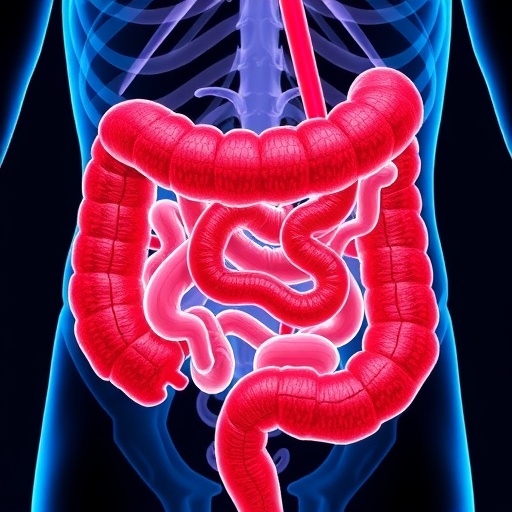
In a groundbreaking study poised to reshape supportive cancer care, researchers have unveiled a novel mechanism by which Janus kinase (JAK) inhibitors can mitigate one of the most debilitating side effects associated with epidermal growth factor receptor (EGFR) inhibitors—severe diarrhea. This adverse effect, frequently encountered in patients undergoing targeted EGFR therapy, has long compromised treatment adherence and quality of life. The latest findings illuminate a critical interplay between targeted kinase therapies, intestinal stem cell biology, and the adaptive immune system, opening avenues for more effective management of therapy-induced intestinal injury.
EGFR inhibitors have revolutionized the treatment landscape for multiple malignancies, including non-small cell lung cancer, colorectal cancer, and head and neck cancers. Their mechanism targets aberrant EGFR signaling pathways that drive tumor growth and proliferation. However, the inhibition of EGFR is not confined to malignant cells; it profoundly influences epithelial homeostasis in the gastrointestinal tract, most notably the dynamic population of intestinal stem cells responsible for tissue regeneration and barrier function.
The study, conducted by Cheng, Xu, Lv, and colleagues, focused on the collateral damage sustained by intestinal epithelium during EGFR inhibitor administration. Diarrhea induced by such therapies had been speculated to involve direct mucosal toxicity, but this research delineates a more complex pathophysiology. Specifically, it uncovers that the injury is exacerbated by the adaptive immune response, which targets compromised intestinal stem cells, intensifying epithelial destruction and functional impairment.
Central to this pathogenesis is the hyperactivation of the Janus kinase/signal transducer and activator of transcription (JAK/STAT) pathway, a critical signaling cascade within immune cells. The researchers demonstrated that EGFR inhibition triggers an upregulation of inflammatory mediators that amplify adaptive immune responses within the gut mucosa. This immune hyperreactivity culminates in an attack on intestinal stem cells, eliciting pronounced epithelial injury, breakdown of the mucosal barrier, and resulting in the persistent diarrhea observed clinically.
JAK inhibitors, already established in inflammatory and autoimmune disorders such as rheumatoid arthritis and ulcerative colitis, were hypothesized as potential protective agents given their immune-modulatory effects. Utilizing advanced in vitro organoid models and in vivo mouse studies, the team rigorously evaluated the therapeutic potential of JAK inhibition in this context. Their data compellingly indicate that JAK inhibitors preserve intestinal stem cell integrity by tempering the immune system’s maladaptive response following EGFR blockade.
Delving deeper into the cellular mechanisms, the investigators noted that JAK blockade significantly reduced STAT phosphorylation in immune effector cells localized within the intestinal niche. This molecular modulation blunted cytokine secretion profiles typically responsible for recruiting and activating cytotoxic lymphocytes targeting the intestinal epithelium. Consequently, intestinal stem cells were shielded from immune-mediated apoptosis, enabling maintained epithelial renewal and barrier function despite concurrent EGFR inhibition.
The translational implications are profound. EGFR inhibitor-associated diarrhea has long imposed dose reductions, treatment delays, or discontinuation, thereby compromising oncologic outcomes. Introducing JAK inhibitors as a co-therapy might alleviate this dose-limiting toxicity, allowing cancer patients to sustain the full therapeutic intensity of EGFR blockade with reduced morbidity.
Significantly, the study’s advanced organoid technology provided a high-fidelity platform to simulate human intestinal physiology and immunity, capturing complex cell-cell interactions inaccessible to traditional models. This enabled the precise dissection of immune-stem cell crosstalk and the evaluation of therapeutic interventions in a controlled yet physiologically relevant setting.
Beyond mitigating diarrhea, the findings raise intriguing questions about the broader immunological consequences of targeted cancer therapies. The intricate balance between effective tumor suppression and preservation of normal tissue homeostasis is a critical frontier in oncology. Understanding how targeted agents inadvertently provoke harmful immune responses may inform the development of next-generation therapies with improved safety profiles.
Importantly, the research also illuminated that timing and dosing of JAK inhibitors are pivotal parameters. Over-suppression of JAK/STAT signaling risks immune compromise, which could predispose patients to infections or reduce anti-tumor immunity. The investigators emphasize that future clinical studies must finely calibrate JAK inhibition to maximize mucosal protection without undermining systemic immunity.
This study contributes to a growing body of literature underscoring the interdependence of epithelial biology and immune regulation in therapy-induced toxicities. It affirms that protecting the regenerative capacity of intestinal stem cells is key to maintaining gut integrity under therapeutic duress. Moreover, it exemplifies how repurposing immunomodulatory agents can optimize cancer treatment tolerability.
As the oncology field continues to embrace precision medicine, this research exemplifies the importance of holistic approaches that consider not only tumor targeting but also host tissue resilience. The integration of molecular insights, cutting-edge modeling platforms, and immunological expertise heralds an era where side effect management is as sophisticated and personalized as cancer therapy itself.
Looking forward, clinical trials to evaluate the safety, efficacy, and optimal administration strategies of combined EGFR and JAK inhibition are warranted. Should these findings translate effectively to patients, it might redefine supportive care standards and significantly improve resilience against gastrointestinal toxicities associated with targeted cancer therapies.
In summary, the identification of JAK inhibitors as protective agents that safeguard intestinal stem cells from adaptive-immune-mediated injury offers a promising strategy to tackle a pervasive clinical challenge. This convergence of molecular oncology, immunology, and regenerative biology typifies the innovative approaches needed to enhance cancer treatment outcomes and survivorship.
Cite Scienmag News
Ophelia Keating. (April 13, 2026). JAK Inhibitors Protect Intestines from EGFR Drug Damage. Scienmag. https://scienmag.com/jak-inhibitors-protect-intestines-from-egfr-drug-damage/
Ophelia Keating. "JAK Inhibitors Protect Intestines from EGFR Drug Damage." Scienmag, 13 April 2026, https://scienmag.com/jak-inhibitors-protect-intestines-from-egfr-drug-damage/. Accessed 4 September 2026.
Ophelia Keating. "JAK Inhibitors Protect Intestines from EGFR Drug Damage." Scienmag. April 13, 2026. https://scienmag.com/jak-inhibitors-protect-intestines-from-egfr-drug-damage/


