


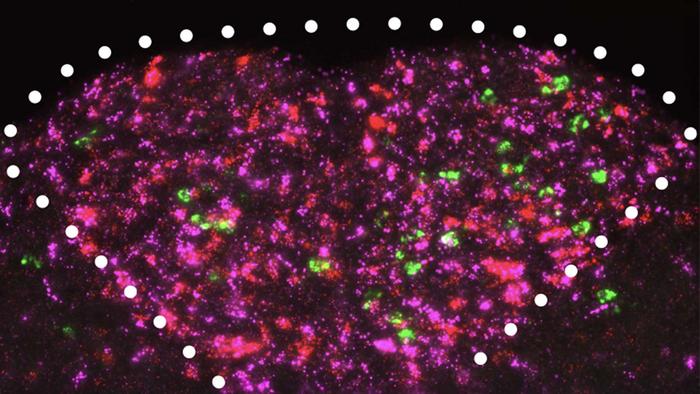
New research published in the esteemed journal Science has uncovered a critical link between inflammation and the debilitating psychological state associated with cancer cachexia, the complex metabolic syndrome affecting many cancer patients. This study, spearheaded by Cold Spring Harbor Laboratory’s Associate Professor Tobias Janowitz and Washington University Medicine’s Professor Adam Kepecs, shines a light on the neurobiological mechanisms underlying the apathy and lack of motivation often observed in cancer patients suffering from this condition. Cachexia is not merely a physical ailment characterized by weight loss and muscle wasting; it also profoundly affects mental health.
Cancer cachexia is a multifaceted syndrome caused by the intricate interplay of various biological and psychological factors. Patients frequently report feelings of apathy despite their physical surroundings. As expressed by Janowitz, individuals facing this syndrome may find joy in their favorite meals or the company of family, yet feel an overwhelming disconnection, leaving them unmotivated and emotionally detached. This emotional toll adds significant distress to the lives of these patients, further complicating their already challenging battle against cancer.
The research team focused primarily on a specialized circuit within the brain that interacts with the immune system. Their findings revealed that during the progression of cachexia, specific neurons significantly decrease dopamine release, a neurotransmitter closely linked with feelings of pleasure and reward. This decrease triggers a cascade of effects, leading to diminished motivation, leaving patients disheartened and disengaged. The implications of this discovery are critical not only for understanding the biology of cancer cachexia but also for developing potential therapeutic avenues that could restore a sense of normalcy in patients’ lives.
Interestingly, the team identified the inflammatory marker IL-6 as a key player in this neurobiological interaction. Elevated levels of IL-6 have been correlated with cachexia, pointing to a vital role that immune responses play in the development of this syndrome. By targeting IL-6 signaling pathways in specific brain regions, the researchers successfully enhanced motivational behavior in test mice. The results indicated that these mice became less averse to the effort required to obtain food, suggesting that manipulating this pathway could relieve some of the psychological burdens imposed by cancer cachexia.
The insights gained from this research open the door for re-evaluating existing treatment modalities. The connection they established between brain circuits and immune responses suggests that antibody therapies already in use for other conditions might be adapted to alleviate symptoms of cancer cachexia. Janowitz envisions a scenario where improving patients’ psychological states could lead to enhanced responses to conventional cancer treatments, presenting avenues for patient-centered therapeutic strategies.
The significance of these findings extends beyond individual treatment approaches. They underscore the necessity of an interdisciplinary approach to cancer research, where collaboration between neuroscientists and oncologists can yield comprehensive insights into the complexities of cancer cachexia. The researchers emphasize the long-term goal of transforming cachexia from a debilitating condition into a manageable aspect of cancer treatment, ultimately improving patients’ quality of life and offering them hope during their cancer journey.
As the research community continues to unravel the intricate relationships between physical and mental health in cancer patients, discoveries like those made by Janowitz and Kepecs have profound implications for future clinical practices. The intersection of neuroscience and oncology in their study illustrates how a deeper understanding of neuroinflammatory pathways can lead to innovative treatments that address the multifaceted challenges posed by cancer.
Such developments are timely, as cancer cachexia disproportionately affects patients undergoing aggressive treatments, further diminishing their quality of life. Addressing cachexia is pivotal not only for enhancing physical health outcomes but also for ensuring that patients retain a sense of agency and vitality in their lives. Research endeavors aligned to this dual focus facilitate an expansion of ongoing cancer treatment paradigms that prioritize holistic patient care.
Moreover, the resolve to combat the psychological repercussions of cancer cachexia reflects broader trends in the medical community that recognize the intricate link between mental and physical wellness. Continued support and funding for interdisciplinary studies are vital for ensuring that research like this flourishes and translates into real-world benefits for patients grappling with cancer.
To combat diseases and disorders such as cachexia effectively, ongoing research must also engage in public discourse, ensuring that this critical information reaches patients, caregivers, and the wider community. By fostering awareness about the complexities of cancer cachexia and the breakthroughs in understanding associated motivational deficits, the scientific community can champion better support for individuals facing this challenging condition.
In conclusion, the synergy between cancer research and neuroscience unveiled through this innovative study by Janowitz and Kepecs sets a promising trajectory toward improved patient outcomes. As this multidisciplinary collaboration continues to evolve, it promises to reshape the landscape of cancer treatment and paves the way for a future where conditions like cachexia can be effectively managed, allowing patients to reclaim their agency and engage fully with life.
Cite Scienmag News
Nathaniel Bowman. (April 10, 2025). It’s Not You—It’s Cancer: Understanding the Impact of Diagnosis. Scienmag. https://scienmag.com/its-not-you-its-cancer-understanding-the-impact-of-diagnosis/
Nathaniel Bowman. "It’s Not You—It’s Cancer: Understanding the Impact of Diagnosis." Scienmag, 10 April 2025, https://scienmag.com/its-not-you-its-cancer-understanding-the-impact-of-diagnosis/. Accessed 3 September 2026.
Nathaniel Bowman. "It’s Not You—It’s Cancer: Understanding the Impact of Diagnosis." Scienmag. April 10, 2025. https://scienmag.com/its-not-you-its-cancer-understanding-the-impact-of-diagnosis/


